Explore the latest Central Government Schemes, policies and welfare programs launched by the Government of India. Get detailed information about eligibility, benefits, application process, documents required and updates related to various government schemes for citizens, farmers, students, women and businesses on Indian FastTrack.
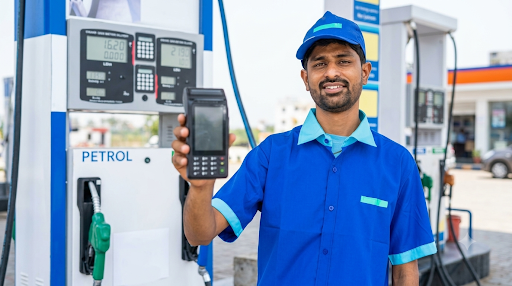
15 अक्टूबर से ₹2,000 से ज्यादा UPI मर्चेंट पेमेंट पर MDR लागू होगा। पेट्रोल पंपों पर ₹5 शुल्क को लेकर डीलर्स के विरोध से ग्राहकों के भुगतान विकल्प बदल सकते हैं।
मध्यप्रदेश: ₹2,000 से ज्यादा के पेट्रोल-डीजल भुगतान के लिए UPI इस्तेमाल करने वाले ग्राहकों को जल्द नया नियम देखने को मिल सकता है। 15 अक्टूबर 2026 से हाई-वैल्यू UPI मर्चेंट ट्रांजैक्शन पर नया Merchant Discount Rate (MDR) लागू होना है। पेट्रोल और डीजल जैसे fuel transactions के लिए ₹2,000 से ऊपर के भुगतान पर flat ₹5 MDR तय किया गया है। इसी शुल्क का विरोध करते हुए मध्य प्रदेश के पेट्रोल पंप डीलर्स ने 16 अक्टूबर से ₹2,000 से ज्यादा के UPI भुगतान स्वीकार नहीं करने का फैसला किया है।
इस फैसले का मतलब यह नहीं है कि पेट्रोल पंपों पर UPI पूरी तरह बंद हो जाएगा। ₹2,000 तक के भुगतान पर UPI जारी रहेगा। विवाद सिर्फ ₹2,000 से ज्यादा के merchant payment पर लगने वाले MDR को लेकर है। सरकार की व्यवस्था के मुताबिक यह शुल्क ग्राहक से सीधे वसूलने के लिए नहीं है, बल्कि merchant-side payment processing cost है।
क्या बदलेगा 15 अक्टूबर से?
नए framework में सामान्य eligible UPI merchant transactions पर ₹2,000 से ऊपर 0.4 प्रतिशत MDR रखा गया है। वहीं fuel, railway, telecom और कुछ अन्य श्रेणियों के लिए ₹2,000 से ऊपर flat ₹5 MDR का प्रावधान है। सामान्य category में बहुत बड़े transactions के लिए ₹300 की अधिकतम सीमा भी रखी गई है।
इसलिए पेट्रोल पंप के मामले में 0.4 प्रतिशत और ₹5 MDR के बीच अंतर समझना जरूरी है। उदाहरण के लिए ₹10,000 के सामान्य eligible merchant UPI payment पर 0.4 प्रतिशत के हिसाब से ₹40 MDR बन सकता है, जबकि fuel transaction के लिए ₹2,000 से ऊपर flat ₹5 का प्रावधान है।
ग्राहक को ₹5 अलग से देना होगा?
नहीं। MDR को ग्राहक पर सीधे UPI शुल्क के रूप में डालने की व्यवस्था नहीं की गई है। इसका असर merchant और payment ecosystem के बीच होने वाली processing cost पर है। हालांकि पेट्रोल पंप डीलर्स का कहना है कि उनके कम और निर्धारित मार्जिन में यह अतिरिक्त लागत उठाना मुश्किल होगा।
मध्य प्रदेश में यह फैसला करीब 4,700 पेट्रोल पंपों को प्रभावित कर सकता है। मध्य प्रदेश पेट्रोलियम डीलर्स एसोसिएशन के अध्यक्ष अजय सिंह के मुताबिक प्रत्येक पंप पर रोजाना औसतन करीब 100 ऐसे ग्राहक होते हैं जिनका fuel payment ₹2,000 से ज्यादा होता है। एसोसिएशन ने अनुमान लगाया है कि MDR और GST को मिलाकर एक पंप पर करीब ₹590 प्रतिदिन और लगभग ₹17,700 प्रति माह का अतिरिक्त खर्च बैठ सकता है।
इस गणना के आधार पर 4,700 पंपों पर संभावित लागत करीब ₹8.3 करोड़ प्रति माह बैठती है। यह डीलर्स के अनुमान पर आधारित गणना है, सरकार की ओर से जारी कोई स्वतंत्र cost assessment नहीं।
पेट्रोल पंप कारोबार में fuel की बिक्री पर dealer margin सीमित और निर्धारित होता है। डीलर्स का तर्क है कि बड़े UPI भुगतान पर flat MDR उनकी कमाई को सीधे प्रभावित करेगा। अजय सिंह ने कहा है कि पंप का profit margin बहुत कम है और इस अतिरिक्त खर्च को ग्राहकों से वसूलना भी आसान नहीं है।
मध्य प्रदेश में डीलर्स ने इस मुद्दे पर अपने State-Level Coordinator को पत्र भी भेजा है और सरकार से UPI को MDR से छूट देने की मांग की है। उनका कहना है कि petrol pumps को credit और debit card transactions में पहले से MDR संबंधी छूट मिली हुई है, इसलिए UPI के लिए भी इसी तरह की राहत दी जानी चाहिए।
अगर मध्य प्रदेश के डीलर्स का फैसला बिना बदलाव लागू होता है, तो ₹2,000 से ज्यादा के fuel payment पर ग्राहक को UPI के बजाय उपलब्ध दूसरे payment mode का इस्तेमाल करना पड़ सकता है।
₹2,000 तक के fuel payment के लिए UPI उपलब्ध रहेगा। मध्य प्रदेश डीलर्स एसोसिएशन ने debit और credit card payment सुविधा जारी रखने की बात कही है। इसलिए इसे पूरे पेट्रोल पंप पर cash-only व्यवस्था के रूप में समझना सही नहीं होगा। अलग-अलग पंपों पर उपलब्ध payment options अलग हो सकते हैं।
क्या ₹2,000 से ज्यादा का UPI भुगतान पूरे देश में बंद होगा?
नहीं। नया MDR framework पूरे देश में लागू होने वाला payment-cost framework है, लेकिन ₹2,000 से ज्यादा का UPI स्वीकार करना या न करना merchant का अलग operational decision हो सकता है।
फिलहाल fuel dealers के बीच इसका विरोध कई जगह दिखाई दे रहा है। मध्य प्रदेश में 4,700 पंपों का फैसला सामने आया है, जबकि महाराष्ट्र में भी fuel dealers ने UPI पर MDR से छूट की मांग की है। मुंबई के पेट्रोल पंप संचालकों ने भी 15 अक्टूबर से high-value UPI payments रोकने की चेतावनी दी है, अगर fuel retailers को MDR से छूट नहीं मिलती।
महाराष्ट्र में fuel dealers का कहना है कि ₹5 का flat MDR कम margin वाले कारोबार पर अतिरिक्त दबाव डाल सकता है। महाराष्ट्र के dealer organisations इस मुद्दे पर 27 सितंबर के आसपास आगे की रणनीति पर फैसला लेने की बात कह चुके हैं।
मुंबई में डीलर्स की मांग सिर्फ MDR हटाने तक सीमित नहीं है। उनका एक प्रस्ताव यह भी है कि अगर UPI payment पर कोई processing cost आती है तो उसका बोझ oil marketing companies उठाएं, ताकि पेट्रोल पंप डीलर्स के निर्धारित margin पर सीधा असर न पड़े।
इस विवाद के बीच 17 सितंबर को All India Petroleum Dealers Association (AIPDA) के प्रतिनिधियों ने Petroleum and Natural Gas Ministry के वरिष्ठ अधिकारियों से मुलाकात की। बैठक में UPI fuel transactions पर MDR exemption की मांग उठाई गई। मंत्रालय की ओर से MDR व्यवस्था के पीछे digital payment infrastructure को मजबूत करने का उद्देश्य भी समझाया गया।
AIPDA के अध्यक्ष अजय बंसल ने भी Finance Minister के हस्तक्षेप की मांग करते हुए fuel retailers को ₹2,000 से ऊपर UPI payments पर MDR से पूरी छूट देने की मांग की है।
Confederation of All India Traders (CAIT) ने मध्य प्रदेश में high-value UPI payments रोकने के फैसले को डिजिटल transactions के लिए चिंता का विषय बताया है। CAIT के भोपाल जिला अध्यक्ष और मध्य प्रदेश मीडिया प्रभारी धर्मेंद्र शर्मा के अनुसार राज्य के करीब 4,700 पेट्रोल पंप इस फैसले से प्रभावित हो सकते हैं।
धर्मेंद्र शर्मा ने यह भी स्पष्ट किया कि सामान्य merchant transactions और fuel transactions के MDR में अंतर है। सामान्य eligible merchant payment पर 0.4 प्रतिशत MDR लागू होता है, जबकि fuel transactions के लिए ₹2,000 से ऊपर flat ₹5 MDR का प्रावधान है।
एक और जरूरी बात: UPI पूरी तरह महंगा नहीं हुआ है
नए MDR framework का मतलब यह नहीं है कि हर UPI payment पर शुल्क लगेगा। ₹2,000 तक के merchant payments पर MDR नहीं लगाया गया है और person-to-person UPI transactions भी इस merchant MDR व्यवस्था से अलग हैं। सरकार के मुताबिक नए framework से अधिकांश छोटे-value P2M transactions प्रभावित नहीं होंगे।
आगे क्या होगा?
अब मुख्य सवाल यह है कि 15 अक्टूबर से पहले fuel dealers को MDR से छूट मिलती है या नहीं। सरकार और petroleum dealers के बीच बातचीत हो चुकी है, लेकिन उपलब्ध ताजा जानकारी में fuel sector के लिए पूर्ण MDR exemption की अंतिम घोषणा सामने नहीं आई है। इसलिए मध्य प्रदेश में 16 अक्टूबर से ₹2,000 से ऊपर UPI रोकने का फैसला फिलहाल डीलर्स की घोषित स्थिति है और इसमें सरकार के अगले फैसले के आधार पर बदलाव हो सकता है।
ग्राहकों के लिए फिलहाल सबसे जरूरी बात यही है कि ₹2,000 तक का UPI payment जारी रहेगा, जबकि इससे ज्यादा के fuel payment के लिए 15-16 अक्टूबर के बाद संबंधित पेट्रोल पंप पर उपलब्ध payment option पहले से जांचना जरूरी होगा।
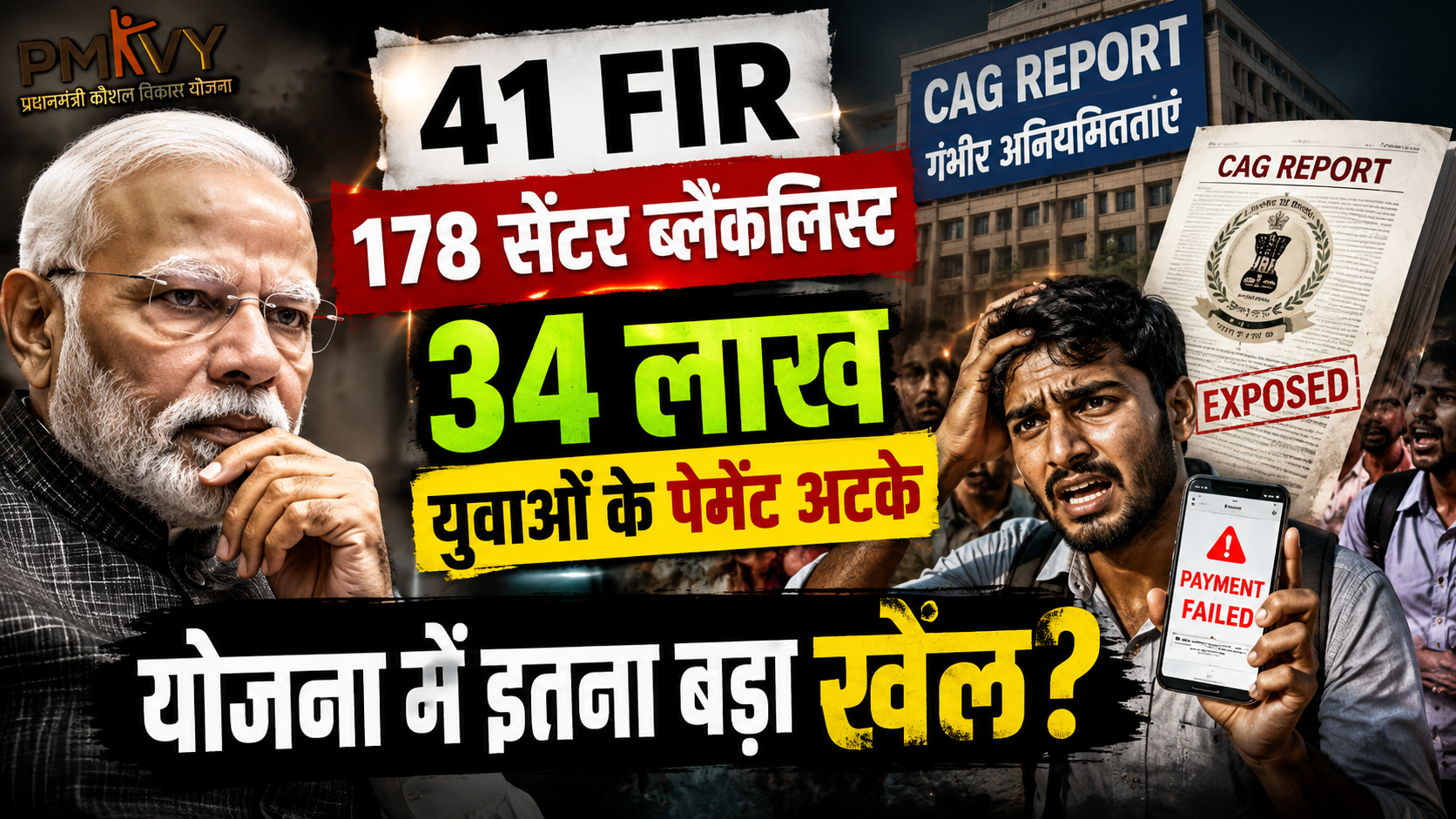
प्रधानमंत्री कौशल विकास योजना में 41 FIR, 178 ट्रेनिंग सेंटर ब्लैकलिस्ट और 34 लाख भुगतान अटके। CAG की रिपोर्ट में सामने आईं गंभीर अनियमितताएं।
नई दिल्ली:प्रधानमंत्री कौशल विकास योजना यानी युवाओं को skill training देकर job और self-employment के मौके देने वाली देश की बड़ी सरकारी schemes में से एक अब गंभीर सवालों के घेरे में है। CAG की audit findings से लेकर 2026 में दर्ज हुई 41 FIR, 178 Training Centres की blacklisting और NSDC के करीब 20 current और former employees को भेजे गए show-cause notices तक, इस पूरी scheme को लेकर लगातार कार्रवाई सामने आ रही है।
सबसे बड़ा सवाल उन युवाओं का है जिन्होंने इस scheme के तहत training ली, certificate हासिल किया और payment या job का इंतजार किया। क्या training सही तरीके से हुई? क्या beneficiary का record सही था? Payment क्यों अटका? और certificate मिलने के बाद नौकरी कितनों को मिली?
41 FIR और 178 Training Centres पर कार्रवाई
2026 में सरकार की ओर से दी गई जानकारी के मुताबिक प्रधानमंत्री कौशल विकास योजना से जुड़े मामलों में 167 cases को FIR के लिए identify किया गया और 41 FIR दर्ज की गईं।
वहीं प्रधानमंत्री कौशल विकास योजना 4.0 के तहत 178 Training Centres को blacklist किया गया। इन centres के खिलाफ आगे की payments रोकने और नियमों के उल्लंघन से जुड़े payments की recovery शुरू करने के निर्देश दिए गए।
हालांकि यहां यह समझना जरूरी है कि FIR दर्ज होना किसी मामले में आरोप या investigation की शुरुआत है, conviction नहीं। इसी तरह 178 blacklisted centres को सीधे 178 “fake centres” कहना भी सही नहीं होगा। Blacklisting scheme guidelines और inspection findings के आधार पर की गई कार्रवाई है।
34 लाख से ज्यादा candidates का payment क्यों अटका?
इस पूरी कहानी का सबसे सीधा असर उन candidates पर पड़ता है जिन्होंने training पूरी की लेकिन उनका payment नहीं पहुंचा।
CAG के मुताबिक प्रधानमंत्री कौशल विकास योजना के दूसरे और तीसरे phase में 34 लाख candidates के DBT payments outstanding थे।
पहले phase में भी करीब ₹40 करोड़ की DBT राशि incorrect या incomplete bank और Aadhaar details की वजह से beneficiaries तक नहीं पहुंच सकी थी।
यानी अगर किसी candidate ने training और certification पूरा किया है, लेकिन उसके खाते में पैसा नहीं आया, तो सिर्फ “payment pending” देखकर मामला खत्म नहीं होता। Bank details, Aadhaar linking और beneficiary record में mismatch भी इसकी वजह हो सकता है।
CAG audit में bank details की जांच के दौरान एक और बड़ी गड़बड़ी सामने आई।
प्रधानमंत्री कौशल विकास योजना के दूसरे और तीसरे phase के data में 12,122 unique bank accounts ऐसे पाए गए जो एक से ज्यादा candidates के लिए इस्तेमाल हुए थे।
इन accounts से कुल 52,381 candidates जुड़े हुए थे।
सबसे चौंकाने वाला मामला एक ऐसे account का था जिसे 2,106 candidates के records में इस्तेमाल किया गया था।
कुछ records में 11111111111, zeros, blank और दूसरे apparently invalid entries भी मिले।
इसका मतलब यह नहीं कि इन सभी candidates को fake घोषित कर दिया गया। लेकिन beneficiary और payment data की verification system पर गंभीर सवाल जरूर खड़े हुए। CAG ने कहा कि उपलब्ध bank-account data से beneficiaries की identity को लेकर पर्याप्त assurance नहीं मिल रही थी।
CAG की जांच में कुछ Training Centres physical inspection के दौरान बंद मिले।
कुछ जगह training records और ground reality के बीच mismatch भी सामने आया। Candidate photographs के repeat होने और attendance तथा identity verification में gaps की findings भी सामने आईं।
यानी सवाल यह भी है कि जिस candidate के नाम पर training और certification का record बना, क्या वह candidate वास्तव में उस training में मौजूद था?
यहां भी हर irregular record को सीधे fake candidate मानना सही नहीं है। Audit findings मुख्य रूप से verification और monitoring system में मौजूद कमजोरियों की तरफ इशारा करती हैं।
“Ghost Candidate” का मतलब क्या है?
अगर किसी व्यक्ति का नाम scheme के record में मौजूद है, लेकिन उसकी identity, attendance, bank details या training participation properly verify नहीं हो पाती, तो मामला questionable या ghost beneficiary verification तक पहुंच सकता है।
CAG ने candidate eligibility को लेकर भी सवाल उठाए।
कुछ records में age, education और दूसरे eligibility criteria की proper checking नहीं होने की बात सामने आई।
यानी scheme में सिर्फ यह देखना काफी नहीं था कि candidate का नाम system में दर्ज है। यह भी जरूरी था कि वह candidate scheme के लिए eligible था और उसकी identity सही तरीके से verify हुई थी।
Certificate मिला, लेकिन नौकरी कितनों को मिली?
प्रधानमंत्री कौशल विकास योजना का असली मकसद सिर्फ training और certificate देना नहीं था। इसका final outcome रोजगार और बेहतर income से जुड़ा था।
लेकिन CAG की audit में पुराने phases के Short Term Training component में certified candidates की placement करीब 41 प्रतिशत के आसपास पाई गई।
सरकार की बाद की reporting में PMKVY 3.0 तक reported placement करीब 43 प्रतिशत बताई गई।
इसका सीधा मतलब है कि training या certificate और actual job एक ही चीज नहीं हैं।
यही वजह है कि किसी भी candidate के लिए सबसे जरूरी सवाल यह होना चाहिए कि course पूरा करने के बाद उसे वास्तव में job या self-employment का फायदा मिला या नहीं।
कुछ बड़े Training Providers में placement 10% से भी कम
CAG की detailed जांच में training providers के performance में काफी बड़ा difference सामने आया।
Top training providers में भी 114 providers ऐसे पाए गए जिनका placement rate 10 प्रतिशत से कम था।
इन providers ने करीब 5.88 लाख candidates को certify किया, लेकिन लगभग 20,000 candidates ही placement तक पहुंच पाए।
इससे साफ होता है कि सिर्फ overall placement percentage देखने से पूरी तस्वीर सामने नहीं आती। अलग-अलग Training Providers का actual performance काफी अलग रहा।
Training Providers को इतने बड़े targets कैसे मिले?
CAG ने Training Providers को मिले targets और certifications को भी examine किया।
PMKVY 2.0 में top 10 प्रतिशत Training Providers ने करीब 83 प्रतिशत batches और 85.61 प्रतिशत certifications संभालीं।
PMKVY 3.0 में top 10 प्रतिशत providers ने करीब 82 प्रतिशत batches और 85.31 प्रतिशत certifications संभालीं।
इसके मुकाबले bottom 50 प्रतिशत providers का share काफी कम था।
इससे यह सवाल उठता है कि scheme के बड़े targets कुछ Training Providers के पास इतने concentrated क्यों हुए और उनके performance की monitoring कितनी प्रभावी थी।
प्रधानमंत्री कौशल विकास योजना का Recognition of Prior Learning यानी RPL component उन लोगों की existing skills को certify करने के लिए है जो पहले से किसी trade या काम में skilled हैं।
CAG ने RPL-BICE component में भी कई irregularities दर्ज कीं।
एक मामले में Radiate Designs ने करीब 15,218 candidates को certify किया था। CAG के मुताबिक company 2014-15 के बाद ROC returns file नहीं कर रही थी और ROC records में struck off थी। Audit team को दिए गए address पर एक shop मिली, जहां company का visible signboard नहीं था।
CAG ने इस तरह के records के आधार पर certification process की verification पर सवाल उठाए।
एक दूसरे fitness trainer से जुड़े case में 10,000 candidates की placement और 30,000 employees की capacity का दावा किया गया था, जबकि संबंधित gyms में Ministry के records के अनुसार employees की संख्या काफी कम थी।
Jharkhand में 8,922 certifications में से 7,145 East Singhbhum में और Rajasthan में सभी 5,444 certifications Churu district में concentrated थीं।
Audit ने employee-employer relationship की proper verification के बिना certifications किए जाने पर सवाल उठाए।
CAG की मुख्य audit findings प्रधानमंत्री कौशल विकास योजना के पहले तीन phases से जुड़ी हैं। PMKVY 4.0 बाद में शुरू हुई और इसमें technology-based verification को मजबूत किया गया है।
लेकिन CAG ने PMKVY 4.0 के उपलब्ध data की भी कुछ जांच की।
इसमें:
175 invalid mobile numbers
2,263 repeated mobile numbers
करीब 2.72 लाख null email addresses
करीब 3.08 लाख repeated email addresses
मिले।
इन आंकड़ों का मतलब यह नहीं कि इतने candidates fake थे। लेकिन इससे यह जरूर पता चलता है कि digital system में भी data validation को लगातार मजबूत रखने की जरूरत है।
अब सरकार ने क्या बदला?
PMKVY 4.0 में beneficiary verification और monitoring के लिए कई technology-based controls बढ़ाए गए हैं।
PMKVY 4.0 में AI, drones, robotics, green energy, semiconductor manufacturing और दूसरे new-age sectors से जुड़े courses पर भी ज्यादा focus किया जा रहा है।
जून 2026 तक सरकार के मुताबिक PMKVY 4.0 के तहत 36 राज्यों और केंद्र शासित प्रदेशों के 738 जिलों में 28.17 लाख candidates train किए जा चुके थे। इसके implementation ecosystem में 16,900 से ज्यादा institutions और 6,800 से ज्यादा Skill Hubs शामिल थे।
PMKVY 4.0 को लेकर सरकार के आंकड़े क्या कहते हैं?
पुरानी phases की CAG findings के बावजूद PMKVY 4.0 के impact को लेकर सरकार ने positive results भी जारी किए हैं।
29 जुलाई 2026 को सरकार ने independent impact evaluation का हवाला देते हुए बताया कि Short Term Training candidates में employed और self-employed लोगों का combined share training से पहले 26.6 प्रतिशत था, जो training के बाद 45.4 प्रतिशत हो गया।
यानी 18.8 percentage points का increase दर्ज किया गया।
सरकारी आंकड़ों के मुताबिक 41.4 प्रतिशत STT candidates और 48.9 प्रतिशत RPL candidates ने training और certification के बाद income बढ़ने की बात भी बताई।
इसलिए आज की स्थिति को सिर्फ पुरानी CAG findings से देखना पूरी तस्वीर नहीं देगा। पुराने phases में गंभीर implementation problems सामने आईं, जबकि PMKVY 4.0 को लेकर सरकार के पास employment और income outcomes में improvement का evaluation data भी है।
अगर आपने PMKVY की training ली है तो ये 8 चीजें check करें
1. Certificate: आपका certificate official record में मौजूद है या नहीं।
2. Training Centre: जिस centre से आपने course किया, उसकी status क्या है।
3. Attendance: आपकी training attendance सही दर्ज है या नहीं।
4. Aadhaar/e-KYC: आपकी identity details सही हैं या नहीं।
5. Bank Account: आपके नाम से सही bank details linked हैं या नहीं।
6. DBT Payment: payment मिला, pending है या transaction fail हुआ।
7. Placement: अगर placement का दावा किया गया था तो employer और job details verify करें।
8. Complaint: अगर आपके नाम पर ऐसी training या certification दिखाई दे रही है जो आपने की ही नहीं, या payment/identity में गलती है, तो official grievance mechanism पर complaint करें।
अब सवाल सिर्फ यह नहीं है कि कितने Training Centres blacklist हुए या कितनी FIR दर्ज हुईं।
आगे यह देखना ज्यादा जरूरी होगा कि:
41 FIR की investigation कहां तक पहुंचती है?
178 blacklisted centres में recovery कितनी होती है?
34 लाख pending payments में कितने candidates को पैसा मिलता है?
NSDC के जिन करीब 20 current और former employees को notices दिए गए हैं, उनके खिलाफ आगे क्या action होता है?
और सबसे बड़ा सवाल—
क्या PMKVY 4.0 में technology-based safeguards पुराने loopholes को वास्तव में बंद कर पाते हैं?
प्रधानमंत्री कौशल विकास योजना का असली test यही है कि government records में कितने candidates trained और certified दिखते हैं, इससे आगे जाकर कितने युवाओं को वास्तव में skill, payment, job और बेहतर income मिलती है।
CAG की findings ने पुराने system की कई कमजोरियां सामने रख दी हैं। 2026 की FIR और blacklisting के जरिए कार्रवाई भी चल रही है। वहीं PMKVY 4.0 के नए evaluation में employment और income outcomes में improvement का दावा किया गया है।
अब नजर इस बात पर है कि पुरानी गलतियों से सीखकर मौजूदा system कितना मजबूत हुआ है और scheme से जुड़े युवाओं को उसका वास्तविक फायदा कितना मिल रहा है।
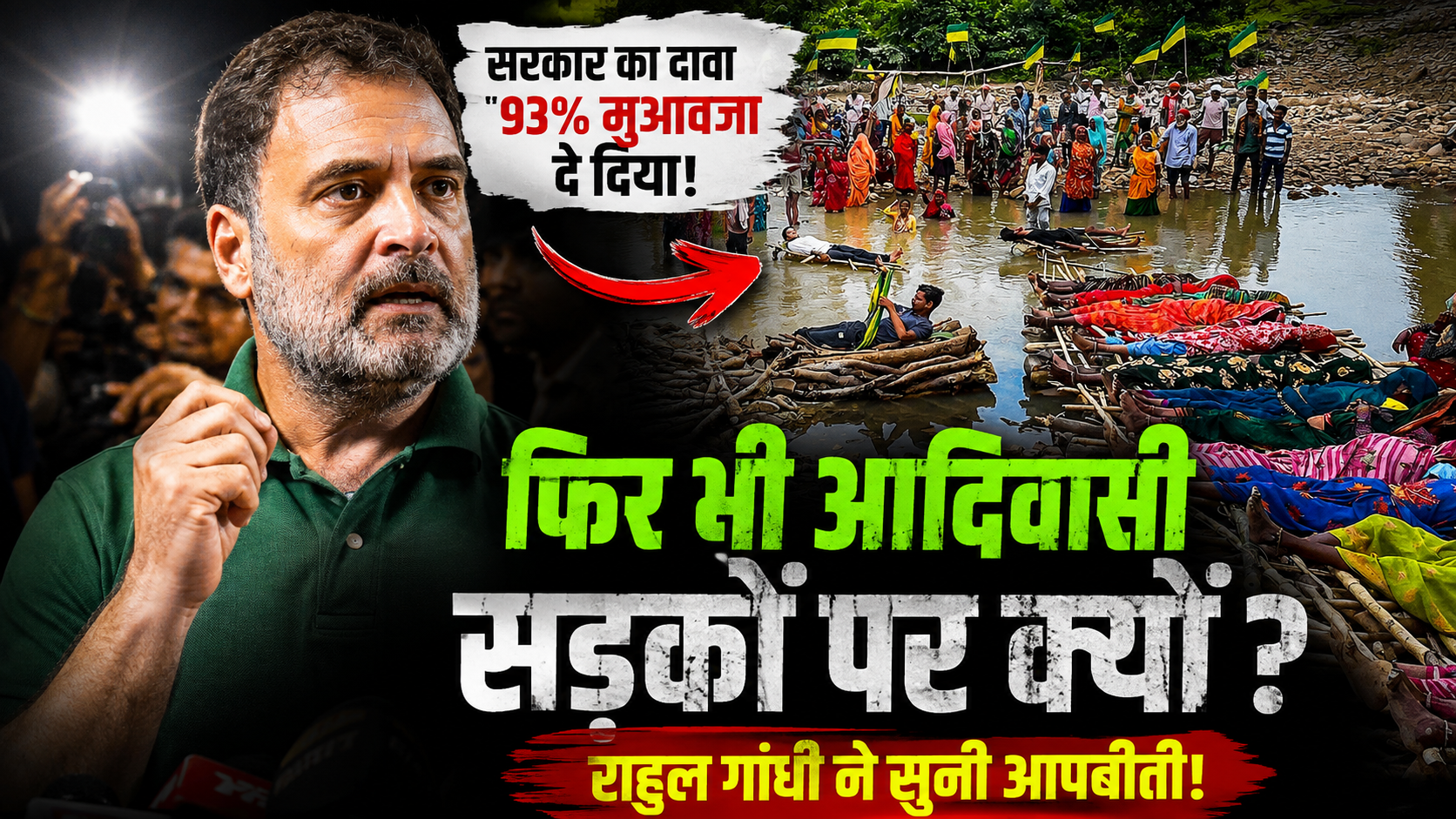
केन-बेतवा परियोजना पर आदिवासी सत्याग्रह के बीच राहुल गांधी का समर्थन, 93% मुआवजे के सरकारी दावे और 14 गांवों के नए सर्वे से जुड़े सवाल जानिए।
भोपाल/छतरपुर:केन-बेतवा लिंक परियोजना को लेकर बुंदेलखंड में आदिवासी परिवारों का संघर्ष एक बार फिर तेज हो गया है। 19 अगस्त 2026 को राहुल गांधी ने आंदोलन कर रहे आदिवासी भाई-बहनों से मुलाकात कर उनकी समस्याएं, मांगें और आपबीती सुनी और इस लड़ाई में उनके साथ खड़े रहने का भरोसा दिया।
राहुल गांधी ने कहा कि सालों से अपने अधिकारों के लिए अन्याय और अत्याचार सह रहे बुंदेलखंड के निवासी सम्मान और समर्थन के हकदार हैं। उन्होंने साफ कहा कि आदिवासी भाई-बहनों की इस लड़ाई में वह और कांग्रेस उनके साथ हैं।
लेकिन इस पूरी खबर में सबसे बड़ा सवाल राहुल गांधी का समर्थन नहीं, बल्कि यह है—
जब सरकार खुद दावा कर रही है कि प्रभावित परिवारों को 93.78% rehabilitation compensation दिया जा चुका है, तो फिर आदिवासी परिवार अभी भी सत्याग्रह क्यों कर रहे हैं?
यही सवाल अब केन-बेतवा परियोजना के पूरे विवाद के केंद्र में आ गया है।
केन-बेतवा लिंक परियोजना का मकसद केन नदी के पानी को बेतवा नदी बेसिन तक पहुंचाना है। इसमें दाउधन बांध और करीब 221 किलोमीटर की link canal सहित कई बड़े infrastructure works शामिल हैं।
सरकार का कहना है कि यह project बुंदेलखंड के लंबे समय से चले आ रहे water crisis को कम करने में मदद करेगा। सिंचाई का विस्तार होगा, किसानों को पानी मिलेगा और मध्य प्रदेश तथा उत्तर प्रदेश के कई इलाकों में drinking water supply बेहतर होगी।
सरकारी project details के मुताबिक लाखों हेक्टेयर जमीन को irrigation coverage देने और लाखों लोगों तक drinking water पहुंचाने का target है।
यानी एक तरफ सरकार इसे बुंदेलखंड के लिए पानी और विकास की बड़ी योजना बता रही है, वहीं दूसरी तरफ project area में रहने वाले परिवारों का सवाल है—
“विकास होगा, लेकिन हमारी जमीन और हमारी जिंदगी का क्या होगा?”
प्रदर्शन कर रहे परिवारों की शिकायत सिर्फ इतनी नहीं है कि उन्हें compensation नहीं चाहिए।
उनकी मांग है कि अगर project की वजह से उन्हें अपनी जमीन, घर और livelihood छोड़ना पड़ रहा है, तो rehabilitation ऐसा होना चाहिए जिससे विस्थापन के बाद उनकी जिंदगी दोबारा खड़ी हो सके।
आंदोलन में मुख्य तौर पर इन सवालों को उठाया गया है—
कौन-कौन से परिवार वास्तव में project से प्रभावित हैं?
क्या सभी eligible परिवारों के नाम rehabilitation list में हैं?
जमीन और मकान का assessment सही हुआ है या नहीं?
compensation कितना और किस आधार पर मिल रहा है?
rehabilitation के बाद खेती और रोजगार का क्या होगा?
जंगल और natural resources पर निर्भर परिवारों का क्या होगा?
नए स्थान पर घर, पानी, स्कूल और healthcare की व्यवस्था कैसी होगी?
यानी मामला सिर्फ “पैसा कितना मिला” का नहीं है।
मामला यह भी है कि “पैसा मिलने के बाद जिंदगी कैसे चलेगी?”
इसी बीच केंद्र सरकार ने 19 अगस्त को केन-बेतवा परियोजना से जुड़े compensation और rehabilitation के आंकड़े सामने रखे हैं।
सरकार के मुताबिक 5,039 project-affected families को rehabilitation के लिए चिन्हित किया गया है। इनके लिए ₹629.87 करोड़ के awards बनाए गए थे, जिसमें से ₹590.74 करोड़ यानी 93.78% भुगतान किया जा चुका है।
कृषि भूमि से जुड़े 10,913 प्रभावित व्यक्तियों के लिए ₹360.66 करोड़ के awards बताए गए हैं। इनमें ₹320.45 करोड़ यानी 88.85% रकम का भुगतान होने की जानकारी दी गई है।
आवासीय संपत्तियों के compensation में भी करीब 94% payment का सरकारी दावा है।
सरकार का कहना है कि जिन मामलों में payment बाकी है, वहां जरूरी legal और administrative formalities पूरी होने के बाद भुगतान किया जाएगा और land records की verification भी जारी है।
लेकिन फिर वही सवाल—
अगर इतना बड़ा हिस्सा भुगतान हो चुका है, तो आंदोलन खत्म क्यों नहीं हुआ?
किसी परिवार का नाम compensation list में होना और हर प्रभावित व्यक्ति की वास्तविक जरूरत पूरी होना एक ही बात नहीं है।
आंदोलन से जुड़े लोगों ने eligibility, beneficiary criteria, compensation calculation और rehabilitation package को लेकर सवाल उठाए हैं।
कुछ प्रदर्शनकारियों की मांग है कि rehabilitation benefits तय करते समय परिवार में मौजूद eligible adult members और उनकी वास्तविक livelihood जरूरतों को भी ध्यान में रखा जाए।
यानी सवाल सिर्फ यह नहीं कि “एक परिवार को कितना मिला?”
सवाल यह भी है—
“उस परिवार में कितने लोग अपनी आजीविका के लिए उसी जमीन पर depend थे?”
14 गांवों में फिर से survey क्यों कराया जा रहा है?
इस विवाद के बीच एक बड़ा administrative development सामने आया है।
छतरपुर प्रशासन ने 14 प्रभावित गांवों में fresh survey का आदेश दिया है।
इन गांवों में Sukwaha, Bhaurkhuwa, Ghughri, Naiguwan, Kakra, Kadwara, Palkoha, Kharyani, Dhodhan, Mainari, Kupi, Shahpura, Basudha और Dugaria शामिल हैं।
Fresh verification में जमीन, मकान, पेड़, दूसरी assets और प्रभावित परिवारों की जानकारी दोबारा देखी जा रही है।
इसका मकसद यह पता लगाना है कि कोई eligible परिवार या asset compensation और rehabilitation process से बाहर तो नहीं रह गया।
यही fresh survey अब आंदोलनकारियों की मांग और सरकार के आंकड़ों के बीच एक महत्वपूर्ण कड़ी बन गया है।
प्रभावित परिवारों ने पिछले कई महीनों में अलग-अलग तरीकों से अपनी बात सरकार तक पहुंचाई।
जल सत्याग्रह
प्रदर्शनकारियों ने पानी में खड़े होकर अपना विरोध जताया।
चिता आंदोलन
आदिवासी महिलाओं ने symbolic चिताओं पर लेटकर protest किया। इसका संदेश था कि जमीन और livelihood छिनने के बाद उनके सामने जिंदगी और मौत जैसा सवाल खड़ा हो गया है।
Hunger Strike
इसके बाद भूख हड़ताल शुरू हुई, जो कई दिनों तक चली।
Chulha Bandh
जुलाई में protest का एक और symbolic तरीका सामने आया—Chulha Bandh। यानी खाना बनाना तक बंद कर विरोध जताया गया।
आंदोलन में महिलाओं की बड़ी भागीदारी ने इसे और गंभीर बना दिया।
राहुल गांधी का यह इस मुद्दे पर पहला intervention नहीं है।
7 अगस्त को Lok Sabha में भी Ken-Betwa project से जुड़े tribal displacement और rehabilitation का मुद्दा उठाया गया था।
केंद्र के Tribal Affairs Ministry ने बताया कि इस विषय से जुड़ी complaints और representations मिली हैं और उन्हें मध्य प्रदेश सरकार को action और response के लिए भेजा गया है।
इसके बाद 13 अगस्त को राहुल गांधी ने प्रभावित परिवारों के delegation से मुलाकात की।
और अब 19 अगस्त को एक बार फिर उन्होंने सार्वजनिक तौर पर इस संघर्ष को समर्थन दिया है।
इससे साफ है कि Ken-Betwa का tribal displacement issue अब local protest से निकलकर national political debate का हिस्सा बन चुका है।
भारत के अलग-अलग हिस्सों में बड़े dams, mining और infrastructure projects को लेकर tribal displacement और rehabilitation के सवाल उठते रहे हैं।
राजस्थान के Mahi Bajaj Sagar से जुड़े मामलों में भी displaced families के rehabilitation और दोबारा विस्थापन की चिंता सामने आई है।
छत्तीसगढ़ के Hasdeo क्षेत्र में mining, forest rights और tribal communities के अधिकारों को लेकर विरोध जारी रहा है।
इन सभी मामलों में एक common सवाल सामने आता है—
क्या development project की planning जितनी मजबूत होती है, उतनी ही मजबूत प्रभावित लोगों को बसाने की planning भी होती है?
अब आगे क्या होगा?
अब केन-बेतवा विवाद में सबसे ज्यादा नजर 14 गांवों के fresh survey पर रहेगी।
देखना होगा कि दोबारा verification में कितने नए eligible families या assets सामने आते हैं और compensation तथा rehabilitation से जुड़े pending मामलों का क्या होता है।
दूसरी तरफ आदिवासी संगठनों की मांगें और तेज होती हैं या सरकार के साथ बातचीत का रास्ता निकलता है, यह भी महत्वपूर्ण होगा।
राहुल गांधी के समर्थन से इस आंदोलन को political momentum मिला है, जबकि केंद्र ने अपने ताजा आंकड़ों के जरिए compensation process पर अपना पक्ष सामने रखा है।
लेकिन इस पूरे विवाद का सबसे बड़ा सवाल अभी भी वही है—
“93% से ज्यादा मुआवजा दिया जा चुका है, फिर भी आदिवासी सड़क पर क्यों हैं?”
इस सवाल का जवाब सिर्फ compensation के आंकड़े में नहीं, बल्कि जमीन, rehabilitation, livelihood, जंगल और प्रभावित परिवारों की वास्तविक जिंदगी में छिपा है।
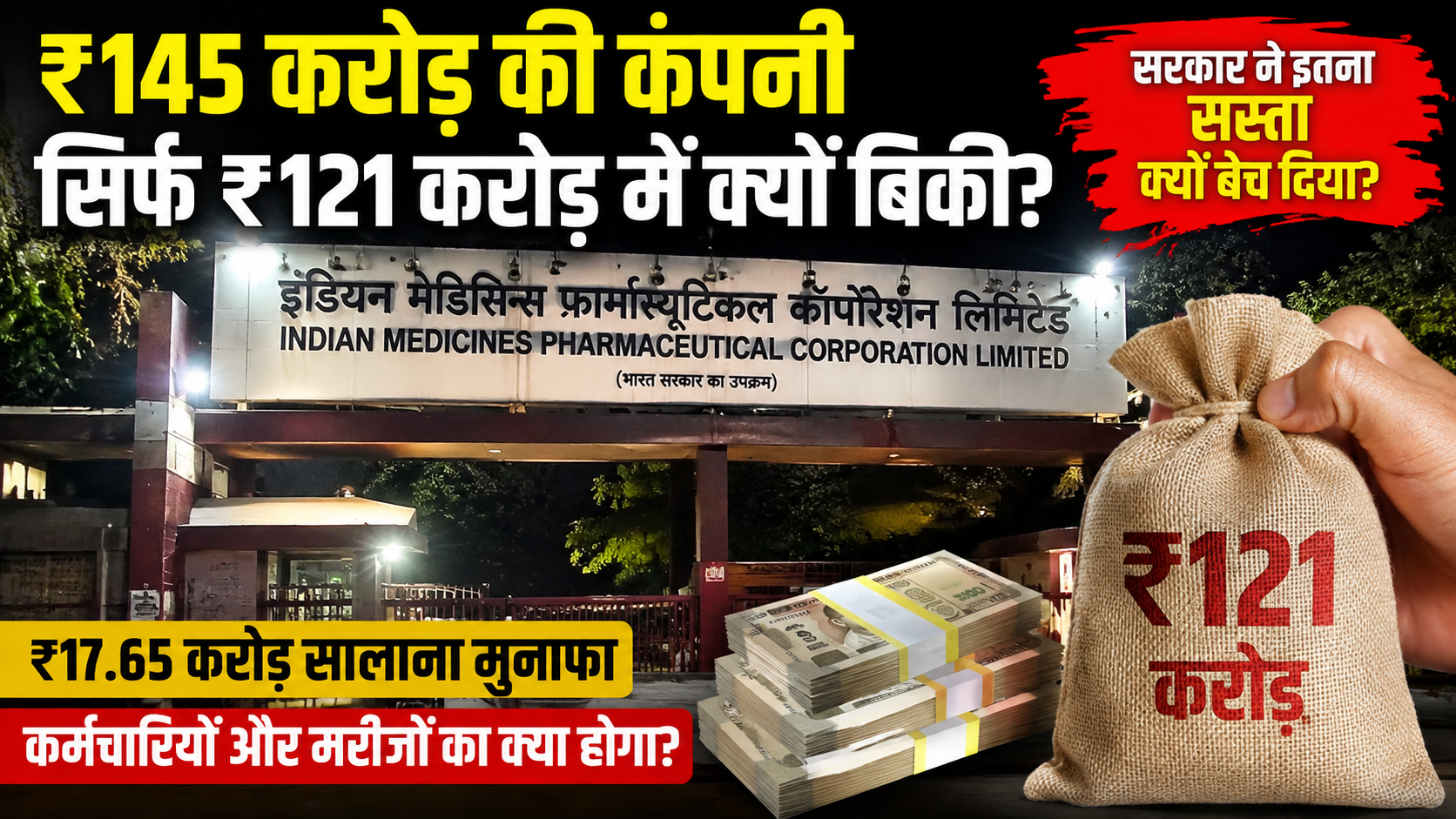
IMPCL ₹121 करोड़ में क्यों बिकी? ₹145 करोड़ की Net Worth, ₹17.65 करोड़ Profit, कर्मचारियों, दवाइयों और सरकारी संपत्ति पर उठे बड़े सवाल जानिए।
नई दिल्ली: सरकार ने जिस IMPCL को ₹121 करोड़ में निजी हाथों में सौंपने का फैसला किया है, उसके बारे में आम नागरिक का सबसे बड़ा सवाल सिर्फ यह नहीं है कि इसे किस कंपनी ने खरीदा। असली सवाल इससे कहीं बड़ा है—एक ऐसी सरकारी कंपनी, जो profit में थी, जिसका FY2024-25 net worth ₹145.49 करोड़ था और जिसने ₹17.65 करोड़ का net profit कमाया, उसे ₹121.01 करोड़ में बेचने से देश और जनता को वास्तव में क्या मिला और क्या खोया?
क्योंकि IMPCL केवल एक सामान्य सरकारी कंपनी नहीं थी। यह Ministry of AYUSH के administrative control वाली Central Public Sector Enterprise थी, जो Ayurvedic और Unani medicines बनाकर CGHS, ESIC, Central और State Government institutions सहित सरकारी healthcare network को supply करती थी। सरकार ने खुद संसद में बताया था कि IMPCL एक profit-making CPSE है।
अब कंपनी का management और 100% equity shareholding Skymap Pharmaceuticals Private Limited के हाथ में जाने जा रहा है। सरकार के अनुसार approved highest bid ₹121,00,94,400 थी।
यहीं से जनता के कई सवाल शुरू हो गए।
सबसे पहले समझिए—IMPCL में ऐसा क्या था?
IMPCL की स्थापना 12 जुलाई 1978 को Indian Systems of Medicine के तहत genuine, safe और efficacious Ayurvedic तथा Unani medicines के manufacturing और marketing के उद्देश्य से हुई थी।
कंपनी CGHS, CCRAS, CCRUM, ESIC और Central तथा State Government institutions को medicines supply करती रही थी। Ministry of AYUSH के तहत IMPCL ही एकमात्र Ayurvedic और Unani medicines बनाने वाला CPSE है।
यानी यह सिर्फ एक factory नहीं थी।
यह सरकारी healthcare supply chain का एक हिस्सा थी।
और यही वजह है कि इसकी sale को केवल “एक PSU की privatization” कहकर छोड़ देना जनता के लिए अधूरी जानकारी होगी।
क्या competitive process में मिली ₹121 करोड़ की कीमत IMPCL की वास्तविक economic value के लिए पर्याप्त थी?
इसका जवाब अभी valuation documents के बिना पूरी तरह नहीं दिया जा सकता। इसमें सरकार को पारदर्शिता दिखानी चाहिए थी।
₹145.49 करोड़ की Net Worth और ₹121 करोड़ की Sale Price
IMPCL के FY2024-25 financial figures में:
Net Worth — ₹145.49 करोड़
Turnover — ₹177.31 करोड़
Profit Before Tax — ₹24.19 करोड़
Profit After Tax — ₹17.65 करोड़
दर्ज है।
अब simple comparison देखिए।
Reported Net Worth: ₹145.49 करोड़
Approved Sale Bid: ₹121.01 करोड़
Difference:
लगभग ₹24.48 करोड़
यानी transaction value FY2024-25 की reported net worth से लगभग 16.8% कम थी।
यहां आप को यह भी बता दें कि,
Net Worth और Fair Market Value एक चीज नहीं हैं।
Book value से यह साबित नहीं होता कि company की market value भी ₹145 करोड़ ही थी।
Fair value निकालने के लिए assets, liabilities, future earnings, cash flows, business risks, land rights, intellectual property और अन्य factors देखे जाते हैं।
लेकिन यह सवाल पूरी ताकत से पूछा जा सकता है:
अगर ₹121 करोड़ ही उचित fair value थी, तो independent valuation report और reserve-price calculation जनता के सामने क्यों नही रखी गई?
लेकिन यह जरूर बताता है कि government ownership से आने वाली future dividend income भी इस transaction की economic analysis का हिस्सा होनी चाहिए।
इसलिए जनता का सवाल है:
सरकार ने एकमुश्त ₹121 करोड़ लेकर future ownership benefits—जैसे dividend और संभावित future value creation—को valuation में कैसे consider किया?
अगर valuation report में इसका जवाब है, तो उसे public किया जाना चाहिए।
अब सबसे बड़ा सवाल—सरकारी कर्मचारियों का क्या होगा?
यह मुद्दा केवल financial नहीं है।
28 मार्च 2025 के लोकसभा जवाब के अनुसार 18 मार्च 2025 तक IMPCL में:
74 permanent employees
1 trainee
11 contractual employees
थे।
यानी कुल 86 लोग सीधे plant से जुड़े थे।
इसके अलावा court record में petitioner ने यह भी कहा कि IMPCL के employees, contractual workers और farmers बड़ी संख्या में इसके functioning पर प्रत्यक्ष या अप्रत्यक्ष रूप से निर्भर हैं। यह petitioner का दावा है, government finding नहीं।
अब असली सवाल है:
Private ownership के बाद इन कर्मचारियों का क्या होगा?
क्या:
permanent employees की service continuity सुरक्षित है?
contractual workers के लिए क्या व्यवस्था है?
retrenchment पर कोई restriction है?
salary और service conditions में क्या बदलाव हो सकता है?
pension, gratuity और अन्य statutory benefits का क्या होगा?
existing employees को कितने समय तक protection मिलेगा?
सरकार ने संसद में कहा था कि strategic buyer से applicable law के अधीन manufacturing और supply business को going-concern basis पर जारी रखने की अपेक्षा की है।
लेकिन “business going concern पर जारी रहेगा” और “हर employee की नौकरी हमेशा सुरक्षित रहेगी”—दो अलग बातें हैं।
इसलिए employee safeguards के वास्तविक terms जनता के सामने आना जरूरी हैं।
और यहां आता है सबसे संवेदनशील सवाल—दवाइयों की कीमत
IMPCL की medicines केवल commercial market के लिए नहीं थीं।
सरकारी record के अनुसार IMPCL CGHS, CCRAS, CCRUM, ESIC और Central/State government institutions को medicines supply करती थी।
2021 में PIB ने यह भी बताया था कि IMPCL की Ayurvedic और Unani medicines की prices Ministry of Finance के Department of Expenditure द्वारा vet और finalise की जाती थीं और GeM के जरिए government buyers को उपलब्ध कराई जाती थीं। उस समय GeM पर 311 IMPCL medicines की 31 categories live की गई थीं।
अब ownership बदल रही है।
तो जनता का सवाल बिल्कुल स्वाभाविक है:
क्या private ownership के बाद भी वही pricing safeguards लागू रहेंगे?
और अगर नहीं, तो:
सरकारी संस्थानों के लिए दवाइयों की कीमत कैसे तय होगी?
यहां एक बात स्पष्ट होनी चाहिए:
अभी उपलब्ध documents से यह साबित नहीं होता कि Skymap Pharmaceuticals IMPCL की medicines के दाम बढ़ाने वाली है।
लेकिन यह भी अभी स्पष्ट नहीं है कि future pricing के लिए कौन-सी binding safeguards लागू होंगी।
यही वह information है जिसे सरकार को public करना चाहिए।
अगर दवाइयों के दाम बढ़े तो असर किस पर पड़ेगा?
मान लीजिए किसी government procurement में IMPCL की medicines पर सालाना खर्च ₹X है।
अगर future procurement cost में 10% की वृद्धि होती है, तो अतिरिक्त burden होगा:
₹X × 10%
लेकिन यहां ₹X का verified public figure उपलब्ध न होने के कारण कोई वास्तविक national cost estimate देना ईमानदार नहीं होगा।
इसलिए अभी “देश पर ₹100 करोड़ का बोझ बढ़ेगा” या कोई दूसरा number बताना गलत होगा।
लेकिन सरकार को यह data सार्वजनिक करना चाहिए:
Government institutions IMPCL से सालाना कितनी medicines खरीदते हैं?
कुल procurement value कितनी है?
कौन-कौन सी medicines सबसे ज्यादा खरीदी जाती हैं?
Current government-approved prices क्या हैं?
Private ownership के बाद pricing mechanism क्या होगा?
Government procurement में price escalation की कोई सीमा है या नहीं?
इन आंकड़ों के बाद जनता को वास्तविक financial impact बताया जा सकता है।
यह सवाल भी भावनात्मक नहीं, आर्थिक तरीके से समझना होगा।
Skymap Pharmaceuticals एक private strategic buyer है।
Private buyer का सामान्य commercial objective business को profitable और sustainable बनाना होता है।
लेकिन इसका मतलब यह नहीं कि buyer निश्चित रूप से medicine prices बढ़ाएगा।
दाम बढ़ेंगे या नहीं, यह निर्भर करेगा:
procurement contracts पर;
competition पर;
government tender conditions पर;
pricing rules पर;
product-specific regulation पर;
और SPA में मौजूद obligations पर।
इसलिए सही सवाल यह है:
सरकार ने यह सुनिश्चित करने के लिए कौन-से contractual safeguards लगाए हैं कि public healthcare supply महंगी न हो?
अगर safeguards मजबूत हैं, तो सरकार उन्हें public करे।
अगर safeguards नहीं हैं, तो सरकार को जनता को इसका कारण बताना चाहिए।
क्या इससे देश को ₹24.48 करोड़ का नुकसान हुआ?
अभी यह कहना जल्दबाजी होगी।
₹145.49 करोड़ net worth और ₹121.01 करोड़ sale value के बीच लगभग ₹24.48 करोड़ का अंतर है।
लेकिन:
Net worth – Sale Price = Actual Loss
ऐसा financial rule नहीं है।
अगर independent valuation ₹110 करोड़ निकली थी और ₹121 करोड़ की bid मिली, तो transaction book net worth से नीचे होने के बावजूद fair हो सकती है।
दूसरी ओर अगर independent valuation ₹180 करोड़ या ₹200 करोड़ थी और reserve price तथा transaction उससे काफी नीचे रहा, तो public asset valuation पर गंभीर सवाल उठेंगे।
इसलिए:
Actual public loss जानने के लिए valuation report जरूरी है।
IMPCL का manufacturing facility Uttarakhand में leased land पर स्थित है।
Delhi High Court के judgment में petitioner की pleadings के आधार पर लगभग 36-acre land और उसके use conditions का उल्लेख है। Court ने यह भी record किया कि High Court of Uttarakhand ने 9 January 2025 को कहा था कि जिस उद्देश्य के लिए land दी गई है, disinvestment भी उस condition के अधीन रहेगा।
यह बहुत महत्वपूर्ण है।
क्योंकि इसका अर्थ है कि जमीन को simply “सरकार की freehold property” समझना गलत होगा।
लेकिन इसका दूसरा अर्थ यह भी नहीं कि land का economic value शून्य है।
Valuation में leasehold rights को कैसे value किया गया?
यह भी public disclosure का विषय होना चाहिए।
Court ने क्या कहा?
IMPCL Karamchari Sangh ने Delhi High Court में strategic disinvestment को चुनौती दी।
Petitioner ने आरोप लगाया कि:
IMPCL undervalued हुई;
successful bidder prescribed financial eligibility criteria पूरा नहीं करता था;
employees और अन्य stakeholders के लिए पर्याप्त safeguards नहीं थे;
disinvestment process में alleged irregularities की जांच होनी चाहिए।
Petitioner ने investigation की मांग भी की।
लेकिन यहां बहुत सावधानी जरूरी है।
Delhi High Court ने इन allegations को साबित नहीं किया।
22 July 2026 को Delhi High Court ने petition को territorial jurisdiction की कमी के कारण non-maintainable मानते हुए dismiss किया।
Court ने साफ कहा कि उसके judgment में merits पर कोई opinion नहीं है।
इसलिए दो बातें गलत होंगी:
“Court ने IMPCL sale में घोटाला साबित कर दिया।” — गलत।
और:
“Court ने सरकार को clean chit दे दी।” — यह भी गलत।
Strategic disinvestment सरकार का policy decision हो सकता है।
लेकिन sale के बाद भी public-interest questions खत्म नहीं हो जाते।
सरकार की जिम्मेदारी अब कम से कम इन सवालों पर transparency सुनिश्चित करने की है:
1. Valuation
Independent asset valuation report public की जाए।
2. Reserve Price
Reserve price और उसके calculation methodology को स्पष्ट किया जाए।
3. Bidding
दूसरे qualified bidder की final bid के disclosure पर स्थिति स्पष्ट की जाए।
4. Employees
Employees और contractual workers के safeguards बताए जाएं।
5. Medicine Supply
CGHS, ESIC और government institutions को medicine supply continuity की binding व्यवस्था स्पष्ट की जाए।
6. Medicine Pricing
Private ownership के बाद government procurement prices कैसे तय होंगे, यह बताया जाए।
7. Land
Leasehold land और उसके use restrictions का transaction पर क्या प्रभाव पड़ा, यह स्पष्ट किया जाए।
8. Public Money
₹121 करोड़ की one-time receipt के मुकाबले future dividend और ownership benefits का valuation कैसे किया गया, यह बताया जाए।
जनता के लिए असली सवाल: सरकार ने क्या बेचा और बदले में क्या पाया?
इस transaction को केवल ₹121 करोड़ की sale के रूप में देखना अधूरा है।
एक तरफ सरकार को एकमुश्त transaction value मिली।
दूसरी तरफ public ownership खत्म हुई।
इसके साथ future:
dividend income,
business growth,
strategic healthcare role,
institutional supply capability,
और संभावित future asset value
पर government ownership समाप्त हो गई।
यह कहना अभी संभव नहीं कि सरकार ने future में कितना कमाया होता।
लेकिन यह पूछना बिल्कुल उचित है कि valuation में इन future benefits को किस तरह consider किया गया।
IMPCL Sale: अब सरकार से जनता को इन 10 सवालों के जवाब चाहिए
1. IMPCL की independent valuation कितनी थी?
2. Reserve price कितना तय किया गया था?
3. Reserve price तय करने की पूरी methodology क्या थी?
4. दूसरे qualified bidder की final bid कितनी थी?
5. FY2025-26 की audited financial position क्या थी?
6. 35.81-acre/लगभग 36-acre leasehold land को valuation में किस तरह consider किया गया?
7. Employees और contractual workers के लिए SPA में क्या safeguards हैं?
8. Government institutions को medicines की supply कितने समय तक और किन conditions पर जारी रखनी होगी?
9. Private ownership के बाद medicine pricing के लिए क्या safeguards हैं?
10. ₹121 करोड़ की one-time sale value के मुकाबले future dividend और earnings potential का valuation कैसे किया गया?
सवाल निजीकरण का नहीं, Public Value का है
IMPCL की sale पर बहस को सिर्फ “सरकार ने सरकारी कंपनी बेच दी” या “सरकार ने सही फैसला किया” तक सीमित करना इस मामले को छोटा कर देगा।
सरकार के official record के अनुसार process competitive bidding के जरिए हुई। सात interested parties shortlist हुईं, दो qualified financial bids मिलीं और Skymap Pharmaceuticals की ₹121.00944 करोड़ की bid highest रही तथा reserve price से ऊपर थी।
लेकिन दूसरी तरफ official financial records यह भी बताते हैं कि IMPCL profit-making CPSE थी और FY2024-25 में उसका net worth ₹145.49 करोड़ तथा PAT ₹17.65 करोड़ था।
Public debate का असली केंद्र
क्या ₹121 करोड़ सिर्फ एक successful bid थी, या वास्तव में public asset की उचित economic value भी थी?
इसका जवाब मिलेगा:
Valuation Report से।
Reserve Price Calculation से।
Second Bid से।
SPA की Conditions से।
और FY2025-26 के audited financial data से।
दूसरा बड़ा सवाल healthcare का है।
अगर IMPCL की ownership private हो गई है, तो जनता यह जानने की हकदार है कि सरकारी healthcare institutions के लिए affordable Ayurvedic और Unani medicines की supply और pricing कैसे सुरक्षित रखी जाएगी।
क्योंकि अगर future में procurement महंगा होता है, तो उसका खर्च अंततः किसी न किसी public budget से ही आएगा।
और अगर prices नहीं बढ़तीं तथा private management efficiency, investment और production बढ़ाता है, तो सरकार को उसका भी जवाबदेह परिणाम जनता के सामने रखना चाहिए।
यानी इस transaction की असली परीक्षा आज ₹121 करोड़ मिलने से खत्म नहीं होती।
असली परीक्षा आने वाले वर्षों में होगी—क्या जनता को बेहतर, affordable और uninterrupted medicines मिलती रहेंगी, कर्मचारियों के हित सुरक्षित रहते हैं और taxpayer को इस public asset की उचित value मिली थी या नहीं।
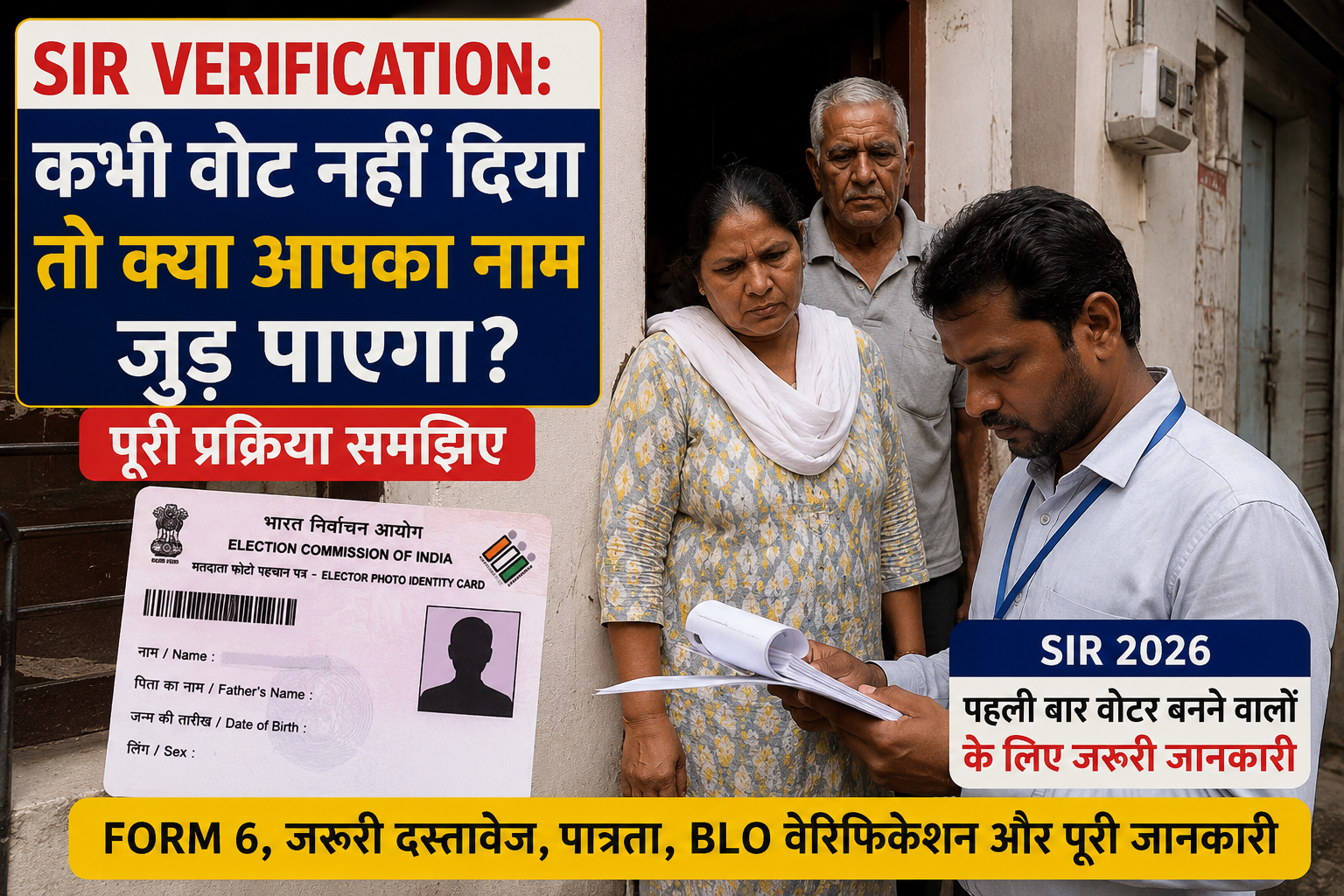
SIR Verification के दौरान अगर आपने कभी वोट नहीं दिया और नाम वोटर लिस्ट में नहीं है, तो क्या होगा? जानिए Form 6, दस्तावेज और पूरी प्रक्रिया।
मुंबई: महाराष्ट्र और मुंबई में चल रहे Special Intensive Revision (SIR) Verification अभियान के बीच हजारों लोगों के मन में एक ही सवाल है—अगर किसी व्यक्ति ने आज तक कभी वोट नहीं दिया, वोटर आईडी नहीं बनवाई और उसका नाम कभी मतदाता सूची में शामिल नहीं हुआ, तो क्या अब उसका नाम वोटर लिस्ट में जुड़ पाएगा?
सोशल मीडिया, व्हाट्सऐप ग्रुप और स्थानीय स्तर पर चल रही चर्चाओं के कारण कई लोगों में भ्रम और चिंता की स्थिति बनी हुई है। कुछ लोगों को लग रहा है कि SIR प्रक्रिया केवल पुराने मतदाताओं के लिए है, जबकि कुछ लोग यह समझ रहे हैं कि बिना पुराने रिकॉर्ड के अब नाम जोड़ना मुश्किल हो जाएगा।
हालांकि चुनाव आयोग के मौजूदा नियमों के अनुसार ऐसी स्थिति में घबराने की जरूरत नहीं है। यदि कोई पात्र भारतीय नागरिक आज तक मतदाता सूची में शामिल नहीं हुआ है, तो उसके लिए नए मतदाता के रूप में आवेदन करने की व्यवस्था मौजूद है।
Special Intensive Revision (SIR) चुनाव आयोग द्वारा चलाया जाने वाला विशेष अभियान है, जिसका उद्देश्य मतदाता सूची को अपडेट और सत्यापित करना है।
इस अभियान के दौरान—
घर-घर जाकर सत्यापन किया जाता है।
मतदाताओं की जानकारी अपडेट की जाती है।
मृत या स्थानांतरित मतदाताओं के रिकॉर्ड की जांच होती है।
डुप्लीकेट प्रविष्टियों की पहचान की जाती है।
नए पात्र मतदाताओं को सूची में शामिल करने की प्रक्रिया भी जारी रहती है।
मुंबई सहित पूरे महाराष्ट्र में BLO (Booth Level Officer) इस प्रक्रिया में महत्वपूर्ण भूमिका निभा रहे हैं।
अगर कभी वोट नहीं दिया तो क्या आपका नाम जुड़ सकता है?
हाँ, बिल्कुल जुड़ सकता है।
यदि—
आपकी उम्र 18 वर्ष या उससे अधिक है,
आप भारतीय नागरिक हैं,
आपका नाम आज तक किसी भी मतदाता सूची में नहीं रहा,
आपने कभी वोट नहीं दिया,
तो आप पहली बार मतदाता बनने के लिए आवेदन कर सकते हैं।
कई लोगों को लगता है कि 25, 30 या 40 साल की उम्र होने के बाद नया नाम नहीं जुड़ सकता, जबकि ऐसा नहीं है। चुनाव आयोग की व्यवस्था पात्र नागरिकों को किसी भी उम्र में पहली बार मतदाता बनने की अनुमति देती है, बशर्ते वे पहले से पंजीकृत न हों।
महाराष्ट्र में SIR Verification के दौरान लोगों की सबसे बड़ी चिंता क्या है?
पिछले कुछ दिनों में सोशल मीडिया पर कई तरह की अधूरी और भ्रामक जानकारियां वायरल हुई हैं। इसके कारण कई लोगों को लग रहा है कि यदि उनके पास पुराना वोटर रिकॉर्ड नहीं है तो उनका नाम नहीं जुड़ पाएगा।
लेकिन चुनाव आयोग की प्रक्रिया में नए पात्र मतदाताओं को जोड़ने का प्रावधान मौजूद है। इसलिए किसी अफवाह पर भरोसा करने के बजाय केवल आधिकारिक सूचना पर ही भरोसा करना चाहिए।
महाराष्ट्र और मुंबई में चल रहे SIR Verification अभियान के बीच सबसे महत्वपूर्ण बात यह है कि अगर आपने आज तक कभी वोट नहीं दिया और आपका नाम कभी मतदाता सूची में शामिल नहीं हुआ, तब भी आपके लिए मतदाता बनने का रास्ता खुला है। SIR का उद्देश्य मतदाता सूची को सही और अद्यतन बनाना है, न कि पात्र नागरिकों को बाहर करना। इसलिए घबराने के बजाय अपने रिकॉर्ड की जांच करें, सही जानकारी दें और जरूरत पड़ने पर नए मतदाता के रूप में आवेदन करें।
FAQ
क्या कभी वोट नहीं देने वाले व्यक्ति का नाम वोटर लिस्ट में जुड़ सकता है?
हाँ। यदि वह पात्र भारतीय नागरिक है और उसका नाम पहले कभी मतदाता सूची में दर्ज नहीं हुआ है।
क्या 30 या 40 साल की उम्र में पहली बार वोटर बन सकते हैं?
हाँ। यदि पहले कभी मतदाता पंजीकरण नहीं कराया गया है।
SIR Verification और Form 6 में क्या अंतर है?
SIR Verification मतदाता सूची के सत्यापन की प्रक्रिया है, जबकि Form 6 नए मतदाता पंजीकरण के लिए उपयोग किया जाता है।
अगर BLO घर नहीं आया तो क्या करें?
आप BLO, ERO कार्यालय या आधिकारिक मतदाता सेवा पोर्टल के माध्यम से जानकारी प्राप्त कर सकते हैं।
क्या ऑनलाइन आवेदन की सुविधा उपलब्ध है?
हाँ, चुनाव आयोग की आधिकारिक सेवाओं के माध्यम से कई प्रक्रियाएं ऑनलाइन भी उपलब्ध हैं।
Explore free Skill India courses with certificates, government schemes, online platforms, salaries, and career opportunities in India.
India’s job market is changing rapidly. Today, companies are hiring candidates based on practical Skill rather than only degrees. Because of this shift, free Skill development courses in India are becoming one of the most searched career opportunities among students, freshers, women, unemployed youth, and working professionals.
The Indian government, private EdTech platforms, and global learning portals now provide free online courses with certificates India students can access from home. These programs cover digital marketing, IT, healthcare, spoken English, retail, finance, coding, construction, beauty, hospitality, agriculture, and many more industries.
This complete guide explains the best free Skill India courses in 2025, including government schemes, online learning platforms, certificate value, salaries after training, registration process, scam alerts, and career opportunities after course completion.
Why Skill Development Courses Are Important in India
Traditional education alone is no longer enough in many industries. Employers now prefer candidates who already have practical Skill training.
Free Skill development courses help candidates:
Improve employability
Learn job-ready abilities
Gain industry certificates
Start freelancing careers
Apply for government and private jobs
Build income opportunities from home
Additionally, India’s digital economy, startup ecosystem, manufacturing sector, healthcare industry, and service businesses are creating strong demand for trained workers.
As a result, Skill India free courses continue growing in popularity across urban and rural India.
What Are Free Skill Development Courses in India
Free Skill development courses are training programs funded either by:
Government schemes
Educational institutions
Private EdTech companies
Corporate Skill initiatives
These courses usually provide:
Video training
Live classes
Practical assignments
Assessments
Digital certificates
Some programs are completely online, while others include classroom training through authorised centres.
Many government and online Skill development programs are completely free. However, some platforms charge optional certification fees.
Which free Skill course is best in India?
Digital marketing, IT, healthcare, coding, and communication Skill courses currently show strong demand.
Is PMKVY certification valid?
Yes. PMKVY certification is government-recognised and linked with NSDC standards.
Can students join Skill India free courses?
Yes. Students, freshers, women, and unemployed youth can apply for many programs.
Which Skill course gives the highest salary?
Technology-related Skill programs like software development, data analytics, and cybersecurity generally offer higher salaries.
Can I do Skill courses online from home?
Yes. Many platforms now provide fully online Skill development courses India wide.
Conclusion
Free Skill development courses in India are creating powerful opportunities for students, freshers, women, unemployed youth, and working professionals who want practical career growth.
Government schemes like PMKVY, SIDH, DDU-GKY, and SWAYAM continue expanding access to affordable Skill education across India. At the same time, platforms like Google Skillshop, Simplilearn SkillUp, and Great Learning help learners build industry-relevant digital capabilities.
Instead of collecting random certificates, focus on Skill programs connected with real job demand. Consistent learning, project building, and practical application remain the strongest path toward long-term career growth in India’s evolving employment market.
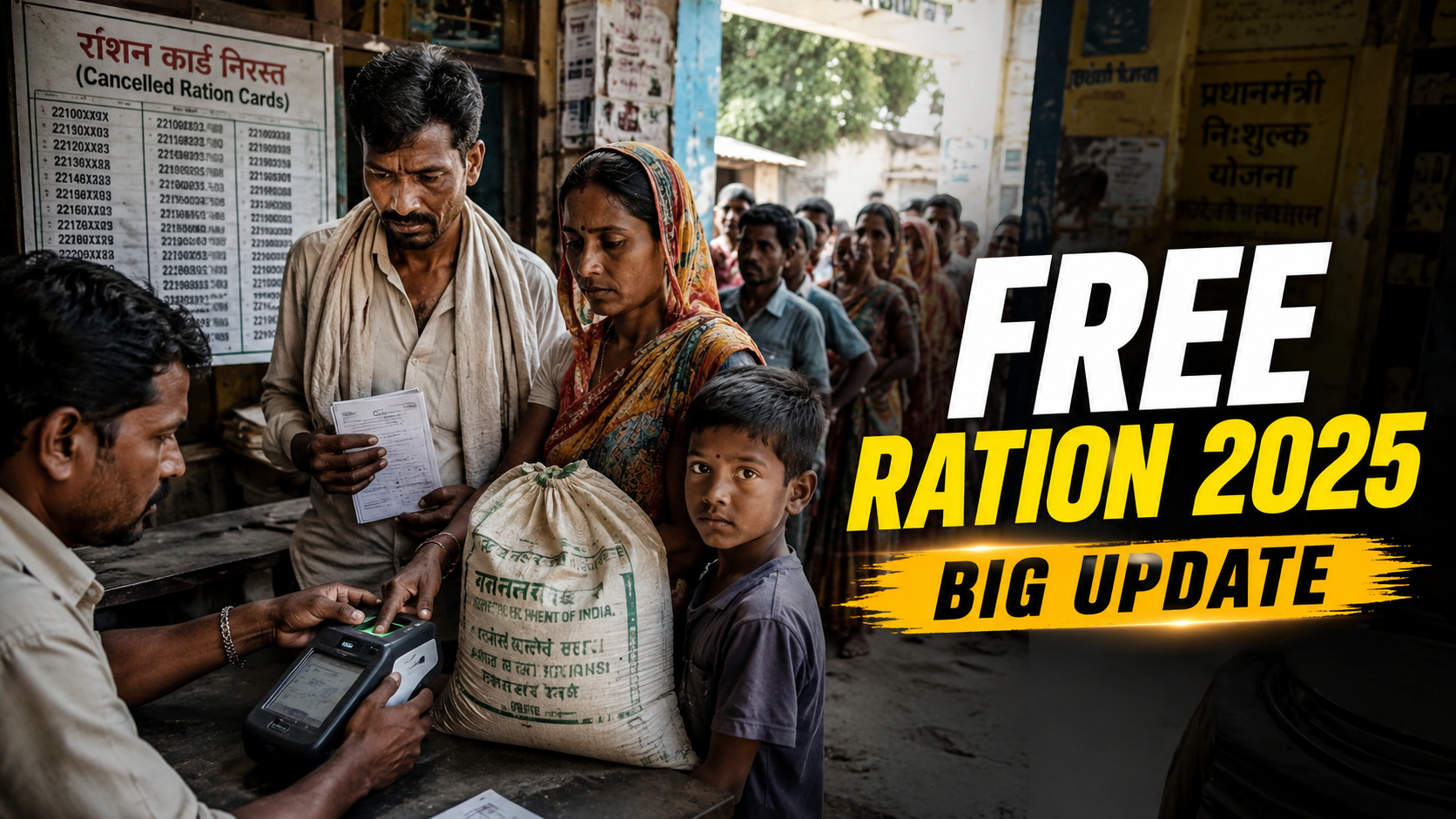
India’s free ration scheme, officially known as the Pradhan Mantri Garib Kalyan Anna Yojana (PMGKAY), continues to support more than 81 crore people across the country. The scheme remains active till December 2028 and provides free food grains to eligible families under the National Food Security Act (NFSA).
In 2026, the government introduced several important updates. These include mandatory e-KYC verification, removal of ineligible beneficiaries, expansion of digital ration services, and stricter Aadhaar verification rules. Millions of ration card holders are now searching for updated information because rumors about the scheme ending created confusion on social media.
This detailed guide explains everything in simple language. You will learn who is eligible, how much ration is available, how to apply online, how One Nation One Ration Card works, and what to do if your ration card gets cancelled.
The Pradhan Mantri Garib Kalyan Anna Yojana (PMGKAY) is India’s largest food security program. It provides free wheat, rice, and food grains to poor and low-income families through ration shops under the Public Distribution System (PDS).
The scheme was originally launched during the COVID-19 pandemic. However, due to its massive impact on food security, the government extended it for five years from January 2024 to December 2028.
Under the scheme:
Eligible families receive free food grains every month
Distribution happens through Fair Price Shops (FPS)
Aadhaar-based biometric verification is used
One Nation One Ration Card allows portability across India
Yes, the free ration scheme is fully active in 2026.
The Union Cabinet officially approved the continuation of PMGKAY for five years starting from January 1, 2024. Eligible beneficiaries continue receiving free food grains every month without any payment.
Many people believed the scheme was stopped after several social media rumors went viral. However, the government confirmed that the scheme remains operational nationwide.
The current extension is expected to cost the government around ₹11.80 lakh crore over five years.
Several major changes happened during 2025. These updates directly affect ration card holders.
Mandatory e-KYC Verification
The government made e-KYC compulsory for ration card holders. Beneficiaries now need biometric authentication to continue receiving free ration benefits.
If e-KYC is not completed, the ration card may become inactive temporarily.
Removal of Fake and Ineligible Beneficiaries
The government started a nationwide verification drive to remove fake beneficiaries.
More than 2.25 crore ration cards were reportedly deleted after database verification.
The following people were removed:
Income tax payers
Government employees
Four-wheeler owners in some states
Duplicate card holders
Deceased beneficiaries
Fake Aadhaar-linked accounts
Digital Monitoring Increased
States are now using:
ePoS machines
Aadhaar authentication
Real-time stock monitoring
Digital grievance systems
This reduced corruption and fake ration distribution significantly.
Why Were 2.25 Crore Beneficiaries Removed?
The government used multiple databases to identify ineligible beneficiaries.
Data was matched with:
Income tax records
Vehicle ownership databases
Corporate affairs records
Pension databases
Property ownership records
After verification, states removed beneficiaries considered financially ineligible.
States With Large Beneficiary Removals
State
Approximate Removals
Bihar
16.9 lakh
Haryana
13.4 lakh
Uttar Pradesh
14 lakh+
Rajasthan
28 lakh
Odisha
7 lakh
Many genuine beneficiaries also complained about wrongful removal. Therefore, grievance systems became extremely important in 2026.
Who Is Eligible for PMGKAY Free Ration?
Eligibility depends on your economic condition and ration card category.
You can appeal with fresh documents and eligibility proof.
How to File a PMGKAY Complaint
Toll-Free Helpline
Many states provide:
1967 helpline
State PDS complaint numbers
Online Complaint Portals
You can file complaints related to:
Non-distribution
Corruption
Overcharging
Fake biometric rejection
PMGKAY vs NFSA vs AAY
Feature
PMGKAY
NFSA
AAY
Main Purpose
Free ration
Food security law
Poorest households
Cost
Free
Subsidized
Free/Highly subsidized
Target Group
NFSA beneficiaries
Broad food security
Extreme poor
Quantity
5 kg/person
State-based
35 kg/family
Impact of PMGKAY on India
PMGKAY became one of the world’s largest welfare programs.
Major Achievements
Supported 81 crore people
Reduced hunger during COVID
Helped migrant workers
Improved food security
Reduced extreme poverty
Economic Impact
The scheme increased government expenditure significantly, but it also protected millions of vulnerable households from food inflation.
Digital Transformation in Ration Distribution
India’s ration system changed dramatically after digitization.
Key Technologies Used
Aadhaar authentication
ePoS devices
GPS truck monitoring
Digital beneficiary databases
Mobile apps
These technologies reduced fake ration cards and leakage.
Important Documents Required for Ration Card
Document
Purpose
Aadhaar Card
Identity verification
Address Proof
Residence verification
Income Certificate
Eligibility verification
Passport Photos
Application processing
Mobile Number
OTP and updates
State-Wise Ration Card Portals
State
Portal Type
Maharashtra
Maha Food Portal
Uttar Pradesh
UP Food Portal
Bihar
EPDS Bihar
Rajasthan
Rajasthan Food Portal
Tamil Nadu
TNPDS Portal
Always use official government portals only.
Can Your Ration Card Get Cancelled?
Yes, ration cards may be cancelled if:
e-KYC is incomplete
Duplicate records exist
Income exceeds eligibility limit
Fake documents were used
Beneficiary is deceased
Wrongful cancellations can be challenged through grievance systems.
How to Protect Your Ration Card From Cancellation
Complete e-KYC Immediately
Do not ignore government notifications.
Keep Aadhaar Updated
Ensure mobile numbers are linked correctly.
Avoid Duplicate Registrations
Use only one active ration card.
Verify Details Regularly
Check status every few months.
Future of PMGKAY in India
The government is focusing on:
Full digital transparency
Better portability
AI-based monitoring
Stronger fraud detection
Doorstep delivery experiments
The scheme is expected to remain politically and socially important because it supports food security for millions of households.
Frequently Asked Questions (FAQ)
Is PMGKAY active in 2025?
Yes. The scheme is active till December 2028.
How much ration is free under PMGKAY?
PHH beneficiaries receive 5 kg per person monthly. AAY families receive 35 kg per household.
Can migrant workers use ration cards in another state?
Yes. ONORC allows nationwide portability.
Is Aadhaar mandatory for ration?
In most states, Aadhaar linking and e-KYC are mandatory.
Why was my ration card cancelled?
Possible reasons include failed e-KYC, duplicate records, or income-based ineligibility.
Can I apply for ration card online?
Yes. Most states provide online application portals.
What is the ONORC scheme?
One Nation One Ration Card allows beneficiaries to collect ration anywhere in India.
Is ration completely free now?
Yes. PMGKAY provides food grains free of cost.
How do I check ration card status?
You can check through state portals or the Mera Ration App.
Can cancelled beneficiaries appeal?
Yes. Appeals can be filed through food department offices or grievance portals.
Conclusion
India’s PMGKAY free ration scheme continues to play a critical role in protecting millions of low-income households from hunger and food insecurity. Despite rumors and large-scale beneficiary verification drives, the scheme remains fully active till 2028.
However, the rules are becoming stricter. Aadhaar linking, e-KYC verification, and digital monitoring are now essential for continuing benefits. Beneficiaries should regularly verify their ration card status and complete all mandatory verification steps on time.
For migrant workers, ONORC has become one of the most powerful welfare reforms because it allows ration portability across India. At the same time, grievance systems are becoming more important due to rising complaints related to wrongful deletions and biometric failures.
If you are eligible, keep your documents updated and use only official government portals for any ration-related services.
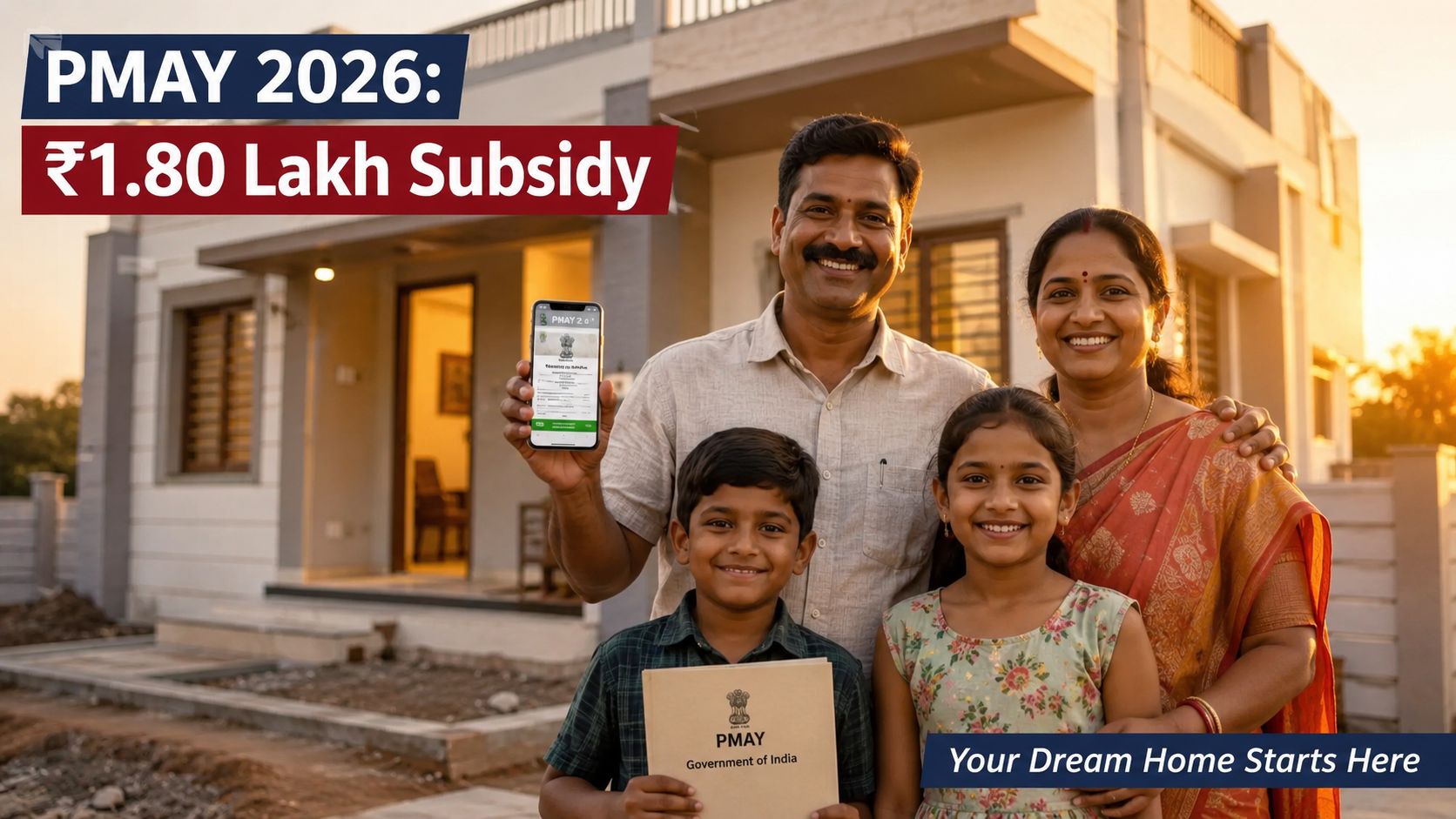
Apply for PM Awas Yojana 2026 online. Check PMAY 2.0 eligibility, ₹1.80 lakh subsidy, documents, beneficiary list & status.
How to Apply for PM Awas Yojana 2026 Online Complete PMAY 2.0 Guide
Pradhan Mantri Awas Yojana (PMAY) is one of India’s biggest affordable housing schemes. Under PMAY 2.0, eligible families can receive financial support, interest subsidy, and housing assistance to build or buy a permanent home.
In 2026, PMAY searches are rising rapidly because the government has extended the PMAY 2.0 implementation period from 2024 to 2029. The scheme now includes updated income categories, new subsidy rules, digital verification, and additional benefits for middle-income families.
This complete guide explains PMAY 2026 apply online process, eligibility, subsidy amount, documents required, beneficiary list, status check, PMAY Gramin, PMAY Urban, Awaas+ App process, BHARAT App geo-tagging, rejection reasons, scam alerts, and official portals.
PMAY is a flagship housing scheme launched under the “Housing for All” mission. The scheme supports economically weaker and middle-income families by helping them purchase, construct, or upgrade homes.
PMAY is divided into two categories:
PMAY Urban (PMAY-U 2.0)
PMAY Urban is designed for people living in cities and urban regions. It provides interest subsidy, housing support, and affordable housing options.
PMAY Gramin (PMAY-G)
PMAY Gramin focuses on rural households that still live in kutcha or damaged houses. Financial assistance is provided for permanent housing construction.
PMAY 2.0 New Features in 2026
PMAY 2.0 includes several major updates that most websites still do not explain properly.
MIG-II Category is Now Eligible
Families earning between ₹9 lakh and ₹15 lakh annually are now eligible under the new PMAY 2.0 structure.
Female Co-Ownership Rule
In many cases, female ownership or co-ownership is mandatory. This rule increases women’s participation in property ownership.
5-Year Lock-In Period
Properties purchased with PMAY benefits may have restrictions on sale or transfer for five years.
BHARAT App Geo-Tagging
Construction progress must now be geo-tagged at five different stages:
Foundation
Lintel Level
Roof Casting
Door and Window Fitting
Final Completion
Missing geo-tagging updates may delay subsidy release.
PMAY Eligibility Criteria 2026
PMAY eligibility depends on annual income, property ownership status, and location.
The Interest Subsidy Scheme (ISS) is one of the biggest benefits under PMAY 2.0.
Eligible applicants can receive subsidy support on housing loans up to ₹8 lakh.
How to Check PMAY Beneficiary List 2026
PMAY Urban Beneficiary List
Open the PMAY portal
Click “Search Beneficiary”
Enter Aadhaar or Assessment ID
View beneficiary details
PMAY Gramin Beneficiary List
Visit the PMAY-G portal and open the beneficiary section to check approved names.
PMAY Status Check 2026
Track Using Assessment ID
Applicants can track application progress using their Assessment ID.
Track Using Name and Mobile Number
Some states also allow tracking using applicant details and registered mobile number.
PMAY 2026 Last Date
PMAY 2.0 currently operates under the 2024–2029 implementation window. However, state governments may release separate deadlines for application submission and verification.
Applicants should regularly check official notifications.
Common Reasons for PMAY Rejection
Many applications are rejected because of simple mistakes.
Common Issues
Aadhaar mismatch
Duplicate applications
Incorrect income proof
Invalid bank details
Missing geo-tagging
Property ownership conflicts
How to Avoid Rejection
Verify all documents carefully before final submission.
PMAY Scam Alert
PMAY fraud cases are increasing rapidly across India.
Applicants facing delays or subsidy issues can file complaints through:
CPGRAMS Portal
State Housing Department
District Housing Office
Official PMAY support channels
State-Wise PMAY Updates 2026
Several Indian states are accelerating PMAY approvals and housing construction.
High Activity States
Uttar Pradesh
Maharashtra
Gujarat
Rajasthan
Madhya Pradesh
Odisha
Some states also provide additional subsidy support.
PMAY 2026 Progress Report
Metric
Data
Houses Sanctioned
125.31 Lakhs
Houses Grounded
119.35 Lakhs
Houses Completed
98.1 Lakhs
Central Assistance
₹2.09 Lakh Crore
Released Assistance
₹1,78,233 Crore
Frequently Asked Questions
How to apply for PMAY 2026 online?
Visit the official PMAY portal, complete Aadhaar verification, and submit the application form online.
What is the PMAY 2.0 subsidy amount?
Eligible applicants may receive up to ₹1.80 lakh subsidy.
What is PMAY Gramin subsidy?
₹1.20 lakh for plain areas and ₹1.30 lakh for hilly areas.
How to check PMAY status?
Applicants can track status using Assessment ID or Aadhaar details.
Is MIG-II eligible under PMAY 2.0?
Yes. Families earning ₹9–15 lakh annually are now eligible.
What is the Awaas+ App?
It is the official PMAY-G survey and registration application.
Why do PMAY applications get rejected?
Aadhaar mismatch, incorrect documents, and duplicate entries are the most common reasons.
What is the PMAY lock-in period?
Properties under PMAY may have a 5-year transfer restriction.
Conclusion
PM Awas Yojana 2026 has become one of India’s most important housing support programs. PMAY 2.0 introduces major updates including expanded eligibility, digital verification, geo-tagging, and higher accessibility for middle-income families.
Applicants should carefully verify eligibility, prepare documents properly, and use only official government portals for registration and status tracking.
With proper planning and accurate information, PMAY 2026 can help millions of families achieve permanent housing support.
Disclaimer
This article is for informational and educational purposes only.
PMAY rules, subsidy amounts, eligibility criteria, and application processes may change according to official government notifications.
Please verify all information from official government portals before applying.
PM Kisan Yojana 2026 Registration: Complete Step-by-Step Guide for New Farmers
Pradhan Mantri Kisan Samman Nidhi has become one of the biggest financial support schemes for farmers in India. Under this scheme, eligible farmers receive ₹6,000 every year directly into their bank accounts through DBT (Direct Benefit Transfer).
If you want to complete PM Kisan Registration 2026, update e-KYC, check Farmer ID, track beneficiary status, or know the expected 23rd installment date, this detailed guide covers everything in simple language.
Many farmers face problems during Aadhaar verification, bank account seeding, land record validation, and e-KYC completion. Therefore, this article explains the complete process along with rejection reasons, troubleshooting solutions, state-wise requirements, and official support links.
What is PM Kisan Yojana?
Ministry of Agriculture and Farmers Welfare launched PM Kisan Samman Nidhi Yojana to provide financial support to small and marginal farmers across India.
Many farmers complete registration but still do not receive installments. Below are the most common reasons.
Rejection Reason
Solution
Expected Time
Aadhaar-bank name mismatch
Update bank records
7–15 days
Wrong IFSC Code
Correct details online
2–7 days
Land record issue
Contact local revenue office
15–30 days
e-KYC incomplete
Complete OTP or biometric e-KYC
Immediate
Aadhaar not linked to bank
Request Aadhaar seeding
3–7 days
State-Wise PM Kisan Registration Requirements
Different states may require additional land verification.
State
Portal
Uttar Pradesh
UP Agriculture Portal
Bihar
DBA Agriculture Portal
Maharashtra
Mahabhulekh
Rajasthan
Apna Khata
Madhya Pradesh
MP Bhulekh
Maharashtra Farmers
Farmers in Maharashtra should keep updated 7/12 extracts from Mahabhulekh records for smooth verification.
What is DBT in PM Kisan?
DBT (Direct Benefit Transfer) means the government transfers installment money directly into the farmer’s Aadhaar-linked bank account.
Benefits of DBT
Faster payment
No middlemen
Transparent system
Secure transactions
How to Make Your Bank Account DBT Ready
Link Aadhaar with bank account
Keep mobile number active
Verify IFSC code carefully
Ensure account is operational
PM Kisan 23rd Installment 2026 Expected Date
The expected 23rd installment of PM Kisan Yojana may be released between June and July 2026. Farmers should complete e-KYC before the official release date.
Previous Installment History
Installment
Release Period
20th Installment
February 2025
21st Installment
July 2025
22nd Installment
March 2026
23rd Installment
Expected June–July 2026
What to Do If PM Kisan Installment Is Delayed?
If your payment is delayed, follow these steps carefully.
Visit the official PM Kisan portal, open Farmer Corner, click New Farmer Registration, enter Aadhaar details, complete OTP verification, fill the form, and submit the application.
What documents are required for PM Kisan registration?
You need Aadhaar Card, bank passbook, land records, Aadhaar-linked mobile number, and passport-size photo.
What is Farmer ID in PM Kisan?
Farmer ID is a unique identification number generated after successful registration and verification.
Why is my PM Kisan installment not coming?
The most common reasons are incomplete e-KYC, Aadhaar mismatch, bank seeding issues, incorrect IFSC code, or pending land verification.
Is e-KYC mandatory for PM Kisan?
Yes. Farmers must complete e-KYC to continue receiving installments.
Can urban farmers apply for PM Kisan?
Yes. Urban farmers owning cultivable agricultural land can apply.
How can I check PM Kisan beneficiary status?
Visit the beneficiary status page, enter your registration number, verify OTP, and check your payment details.
When will the 23rd installment be released?
The 23rd installment is expected between June and July 2026.
Conclusion
PM Kisan Yojana 2026 continues to provide major financial support to eligible farmers across India. However, successful registration now depends heavily on correct Aadhaar details, updated land records, completed e-KYC, and proper bank verification.
Farmers should always use the official portal for registration and status checks. Completing e-KYC on time, verifying Farmer ID, and checking beneficiary status regularly can help avoid payment delays and rejection issues.
For the safest experience, always verify updates only through the official PM Kisan portal and government sources.
Disclaimer: This article is published for educational and informational purposes only. We are not associated with the Government of India or the official PM Kisan portal. Farmers are advised to verify all information through the official website.
Explore Maharashtra Government Schemes 2026–27 with eligibility, benefits, online application steps, documents, and latest yojana updates.
Maharashtra Government Schemes 2026–27 Full Guide
Last Updated: 2026
The Maharashtra Government continues to launch welfare schemes for women, farmers, students, unemployed youth, senior citizens, small business owners, and economically weaker families. However, most citizens still struggle to understand which scheme is right for them, how much benefit they can actually receive, and how to apply online without mistakes.
Many people hear incomplete information through WhatsApp forwards, YouTube videos, social media reels, or local discussions. As a result, they search terms like “₹3000 monthly scheme,” “₹1500 women scheme,” or “₹6000 Maharashtra scheme” without knowing the real scheme name.
This detailed Maharashtra Government Schemes 2026–27 guide solves that problem.
Here, you will find:
Complete Maharashtra scheme list
Eligibility criteria
Monthly and yearly benefits
Online application process
Official government portals
Required documents
Beneficiary status check methods
Latest 2026–27 updates
Women, farmer, student, MSME, and housing schemes
What Are Maharashtra Government Schemes?
Maharashtra government schemes are welfare programs launched by the state government to support citizens financially, socially, educationally, and economically.
These schemes help:
Women
Farmers
Students
Senior citizens
Unemployed youth
SC/ST communities
Small business owners
Disabled persons
Low-income families
Benefits may include:
Monthly financial assistance
Scholarships
Subsidies
Housing support
Healthcare coverage
Pension benefits
Skill development training
Loan assistance
Most applications are processed through:
MahaDBT Portal
Aaple Sarkar Portal
District government offices
CSC centers
Difference Between Central and Maharashtra State Schemes
Many citizens confuse central schemes with Maharashtra state schemes.
Citizens without internet access can apply through Common Service Centres.
CSC operators help with:
Registration
Document upload
Form submission
Status tracking
Documents Required for Maharashtra Government Schemes
Commonly required documents include:
Aadhaar Card
PAN Card
Income Certificate
Domicile Certificate
Bank Passbook
Passport-size photo
Mobile number
Educational certificates
Land records
How to Check Maharashtra Scheme Application Status
Citizens can track application status online.
Methods
Aaple Sarkar Portal
MahaDBT dashboard
Official department portals
SMS notifications
Maharashtra Government Schemes Comparison Table
Scheme Name
Benefit
Target Group
Application Mode
Ladki Bahin Yojana
₹1,500/month
Women
Online
Namo Shetkari
₹6,000/year
Farmers
Online
Yuva Karya Prashikshan
₹6,000–₹10,000/month
Youth
Online
PMAY Maharashtra
Housing subsidy
Families
Online
MahaDBT Scholarships
Fee reimbursement
Students
Online
New Maharashtra Government Schemes and Updates 2026–27
Several important updates were announced during Maharashtra Budget 2026–27.
Major Highlights
Crop loan waiver support
Women welfare expansion
AI employment initiatives
Farmer assistance programs
Skill development expansion
Startup ecosystem support
These updates significantly increased public search interest around Maharashtra welfare schemes.
Frequently Asked Questions
What is the ₹3,000 monthly government scheme?
It usually refers to PM-SYM pension scheme for unorganized workers.
What is the ₹6,000 monthly scheme in Maharashtra?
It refers to Mukhyamantri Yuva Karya Prashikshan Yojana.
What is Ladki Bahin Yojana?
It is a Maharashtra government scheme providing ₹1,500 monthly assistance to eligible women.
How can I apply for Maharashtra government schemes online?
You can apply through Aaple Sarkar, MahaDBT, or CSC centers.
What documents are required?
Usually Aadhaar Card, income certificate, bank passbook, domicile certificate, and mobile number are required.
Can I apply for multiple schemes?
Yes, eligible citizens may apply for multiple schemes if rules allow.
What is MahaDBT?
MahaDBT is Maharashtra’s Direct Benefit Transfer portal used mainly for scholarships and welfare schemes.
What is Aaple Sarkar Portal?
Aaple Sarkar is Maharashtra Government’s citizen service portal for online scheme applications.
Are there schemes for disabled persons?
Yes, Maharashtra provides welfare schemes for disabled citizens including pension and education support.
Are Maharashtra government schemes free?
Most welfare schemes are free to apply for through official portals.
Conclusion
The Maharashtra Government Schemes 2026–27 ecosystem now covers almost every major citizen category including women, farmers, students, unemployed youth, senior citizens, entrepreneurs, and economically weaker families.
However, simply knowing the scheme name is not enough. Citizens must understand:
Eligibility
Required documents
Official portals
Application process
Status verification methods
Schemes like Mukhyamantri Majhi Ladki Bahin Yojana, Namo Shetkari Mahasanmaan Nidhi, and Mukhyamantri Yuva Karya Prashikshan Yojana are expected to remain among the highest searched welfare programs throughout 2026–27.
Applicants should always verify details through official government portals before submitting applications or sharing personal documents.
This article is published for educational and informational purposes only.
Scheme details, eligibility criteria, benefits, application procedures, and government announcements may change over time based on official Maharashtra Government updates.
Users are strongly advised to verify all information from official government portals before submitting applications or sharing personal documents.
We do not represent any government authority.
We are not responsible for application rejection, scheme changes, technical portal issues, or financial losses caused by outdated information or third-party actions.