Read the latest finance and banking news, market updates and expert insights from India and around the world. Stay informed with coverage on banking, personal finance, investments, loans, insurance, stock markets, digital payments, economic trends and financial policies on Indian FastTrack.
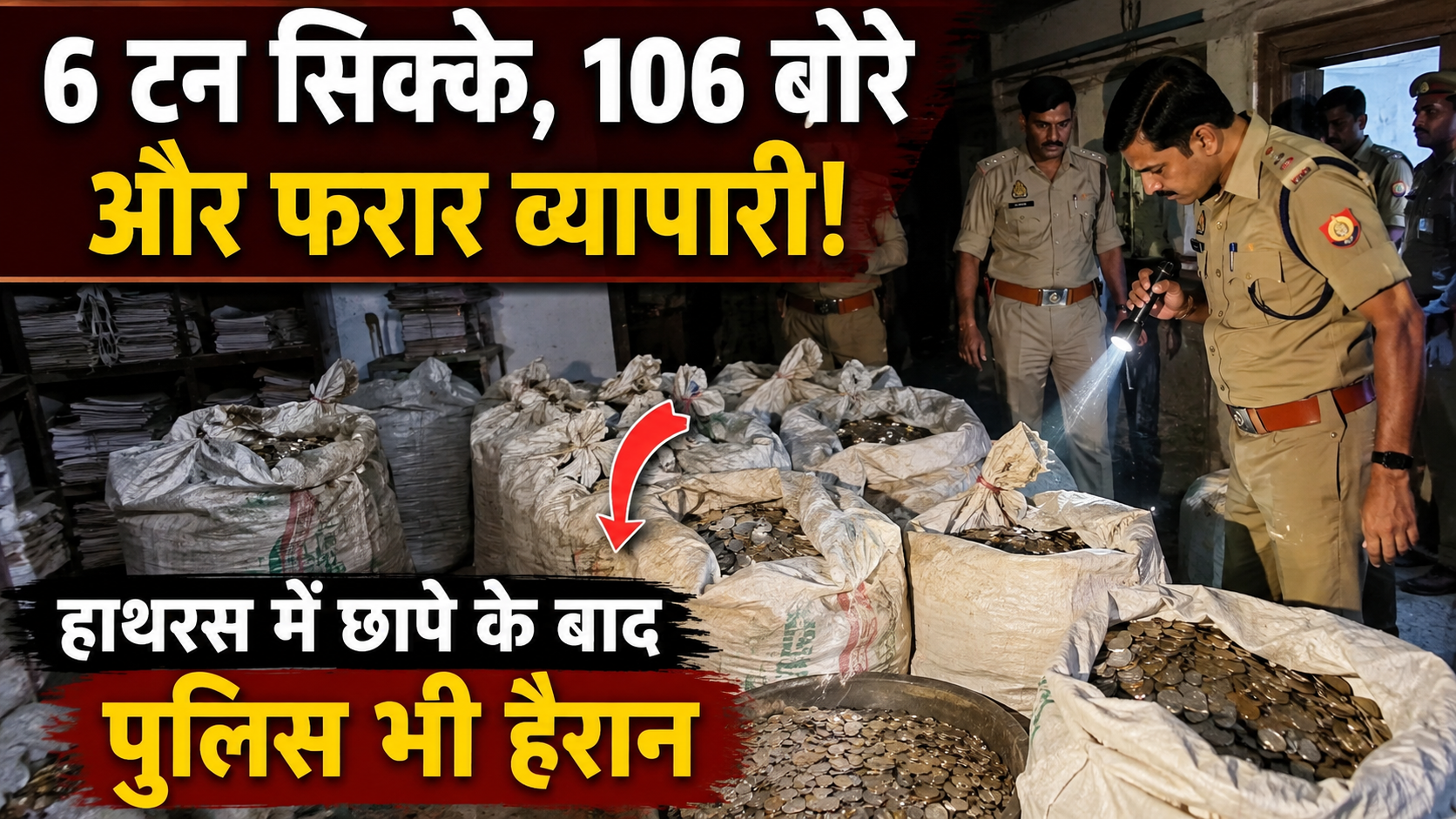
उत्तर प्रदेश के हाथरस में एक व्यापारी के घर और दुकान से 106 बोरों में भरे 5,666 किलो सिक्के बरामद हुए। व्यापारी फरार है, पुलिस ने स्पेशल टीम गठित कर जांच शुरू कर दी है।
हाथरस (उत्तर प्रदेश): आमतौर पर पुलिस छापों में नकदी, सोना, हथियार या नशीले पदार्थ बरामद होने की खबरें सामने आती हैं, लेकिन उत्तर प्रदेश के हाथरस में हुई एक कार्रवाई ने अधिकारियों को भी हैरान कर दिया। यहां एक स्टेशनरी व्यापारी के घर और दुकान से 106 बोरों में भरे 5,666 किलोग्राम (करीब 6 टन) सिक्के बरामद हुए। छापेमारी शुरू होते ही व्यापारी फरार हो गया। अब पुलिस यह पता लगाने में जुटी है कि आखिर इतने बड़े पैमाने पर सिक्के क्यों जमा किए गए थे और इनके पीछे पूरा खेल क्या था।
सूचना मिली और खुल गया करोड़ों के सिक्कों का रहस्य
प्रशासन को सूचना मिली थी कि नयागंज क्षेत्र में एक स्टेशनरी व्यापारी बड़ी मात्रा में सिक्के जमा कर रहा है। सूचना के आधार पर जिला प्रशासन और पुलिस ने व्यापारी की दुकान तथा हनुमान गली स्थित घर पर संयुक्त छापेमारी की।
शुरुआत में अधिकारियों को लगा कि मौके पर 70 से 80 बोरे मिलेंगे, लेकिन तलाशी बढ़ने पर 106 प्लास्टिक के बोरे बरामद हुए। सभी बोरों में अलग-अलग मूल्यवर्ग के सिक्के भरे हुए थे। सिक्कों की संख्या इतनी अधिक थी कि मौके पर उनकी गिनती करना संभव नहीं था। इसलिए उनका वजन कराया गया, जो 5,666 किलोग्राम निकला।
पुलिस के मुताबिक, कार्रवाई की भनक लगते ही व्यापारी मौके से फरार हो गया। उसके खिलाफ Coinage Act, 2011 के तहत मामला दर्ज कर लिया गया है। पुलिस उसकी तलाश में लगातार दबिश दे रही है।
आखिर 6 टन सिक्कों का क्या होने वाला था?
यही सवाल इस पूरे मामले को रहस्यमय बना रहा है।
जांच एजेंसियां यह पता लगा रही हैं कि—
इतने बड़े पैमाने पर सिक्के कहां से जुटाए गए?
इन्हें किस उद्देश्य से जमा किया गया?
क्या इन्हें दूसरे राज्यों में भेजा जा रहा था?
क्या इसके पीछे कोई संगठित नेटवर्क काम कर रहा था?
इस कारोबार से किसे आर्थिक फायदा पहुंच रहा था?
इन्हीं सवालों के जवाब तलाशने के लिए पुलिस ने स्पेशल जांच टीम का गठन किया है।
छापेमारी के दौरान व्यापारी के एक रिश्तेदार ने अधिकारियों को बताया कि इस कारोबार में कथित तौर पर 3 से 4 प्रतिशत कमीशन पर सिक्कों का लेन-देन किया जाता था।
उसने दावा किया कि 500 और 1000 रुपये मूल्य के सिक्कों के पैकेट तैयार कर दिल्ली के मेट्रो स्टेशन और रेलवे स्टेशनों तक भेजे जाते थे। हालांकि पुलिस ने स्पष्ट किया है कि इन दावों की जांच की जा रही है और अभी इन्हें अंतिम सत्य नहीं माना गया है।
क्या इतने सिक्के रखना गैरकानूनी है?
पुलिस के अनुसार Coinage Act, 2011 के तहत सिक्कों का दुरुपयोग, उन्हें कानूनी मुद्रा के अलावा अन्य उद्देश्यों में इस्तेमाल करना या कानून के विपरीत परिस्थितियों में उनका संग्रह अपराध की श्रेणी में आ सकता है।
इसी आधार पर पुलिस ने व्यापारी के खिलाफ मामला दर्ज किया है। जांच पूरी होने के बाद ही यह स्पष्ट होगा कि इस मामले में कौन-कौन से कानूनी प्रावधान लागू होते हैं।
एक नजर में पूरा मामला
स्थान: नयागंज और हनुमान गली, हाथरस (उत्तर प्रदेश)
बरामदगी: 106 प्लास्टिक के बोरे
कुल वजन: 5,666 किलोग्राम (करीब 6 टन)
आरोपी: स्टेशनरी व्यापारी, फिलहाल फरार
कार्रवाई: Coinage Act, 2011 के तहत FIR
जांच: स्पेशल पुलिस टीम गठित
पुलिस किन पहलुओं की जांच कर रही है?
इस मामले में पुलिस सिर्फ बरामद सिक्कों की गिनती तक सीमित नहीं है। जांच एजेंसियां पूरे नेटवर्क की पड़ताल कर रही हैं।
सिक्कों का स्रोत क्या था?
क्या बैंकों से बड़ी मात्रा में सिक्के निकाले गए थे?
इस कार्रवाई के बाद लोगों के बीच कई सवाल चर्चा का विषय बन गए हैं। क्या बड़ी मात्रा में सिक्के रखना अपराध है? क्या कोई व्यापारी वैध तरीके से इतने सिक्के इकट्ठा कर सकता है? क्या यह मामला केवल अवैध कारोबार से जुड़ा है या इसके पीछे कोई बड़ा नेटवर्क है?
इन सभी सवालों के जवाब पुलिस जांच पूरी होने के बाद ही स्पष्ट होंगे।
आगे क्या?
फिलहाल पुलिस का पूरा फोकस फरार व्यापारी की गिरफ्तारी पर है। अधिकारियों का मानना है कि पूछताछ के बाद सिक्कों की सप्लाई चेन, उनके स्रोत और पूरे नेटवर्क से जुड़े कई अहम तथ्य सामने आ सकते हैं। जांच पूरी होने तक इस मामले के कई पहलू रहस्य बने हुए हैं।
Vehicle Insurance 2026 में Third-Party, Comprehensive Policy और Claim Rejection के नियम समझें। Claim अटकने पर Bima Bharosa से शिकायत कैसे करें, जानें।
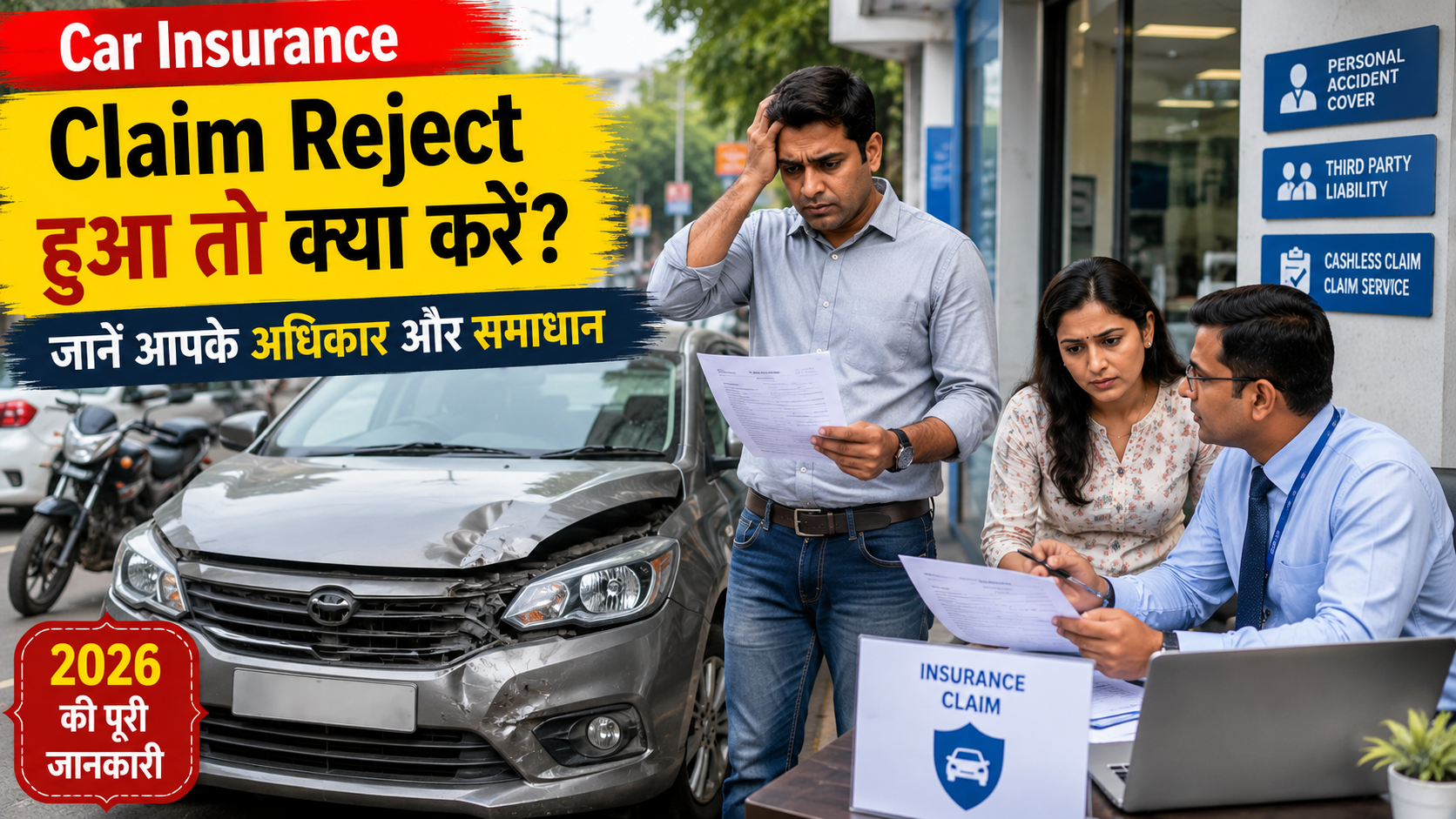
Vehicle Insurance 2026: अगर accident के बाद insurance claim reject हो जाए या insurer claim settlement में देरी करे, तो policyholder के पास शिकायत और grievance redressal के रास्ते मौजूद हैं। Vehicle insurance खरीदते समय Third-Party और Own Damage cover का अंतर समझना जितना जरूरी है, उतना ही जरूरी policy terms, exclusions, documents और claim process को जानना भी है।
भारत में motor vehicle owners के लिए insurance सिर्फ एक financial product नहीं, बल्कि सड़क पर वाहन चलाने से जुड़ी महत्वपूर्ण legal और financial protection है। लेकिन ज्यादातर लोग policy खरीदते समय सिर्फ premium देखते हैं और policy की actual coverage, exclusions, deductible और claim conditions को नजरअंदाज कर देते हैं।
मुश्किल तब शुरू होती है जब accident के बाद claim किया जाता है और insurer coverage, documents या policy conditions के आधार पर सवाल उठाता है।
2026 में vehicle insurance policyholders के लिए सबसे जरूरी बात यही है कि policy खरीदते समय coverage समझें और claim dispute होने पर अपने grievance redressal rights का इस्तेमाल करें।
Vehicle Insurance 2026 में सबसे जरूरी अपडेट क्या है?
भारत में motor insurance से जुड़ा regulatory framework IRDAI के regulations के तहत चलता है। Department of Financial Services की official listing में IRDAI (Rural, Social Sector and Motor Third Party Obligations) Regulations, 2024 और Protection of Policyholders’ Interests Regulations, 2024 शामिल हैं। Department of Financial Services की listing जुलाई 2026 में updated है।
इसका मतलब यह है कि Vehicle Insurance policyholder को सिर्फ policy खरीदने के बाद insurer के निर्णय को blindly accept करने की जरूरत नहीं है। Policy terms के अनुसार claim का assessment होगा, लेकिन अगर policyholder को लगता है कि complaint का सही समाधान नहीं हुआ, तो निर्धारित grievance mechanism का इस्तेमाल किया जा सकता है।
Third-Party Insurance और Comprehensive Policy में क्या अंतर है?
Vehicle Insurance लेते समय सबसे पहले यह समझना जरूरी है कि Third-Party Insurance और Comprehensive Insurance एक जैसे नहीं होते।
Third-Party Insurance
Third-Party policy का मुख्य उद्देश्य insured vehicle से किसी third party को होने वाली liability से संबंधित coverage देना है।
उदाहरण के तौर पर, अगर किसी vehicle से किसी अन्य व्यक्ति या उसकी संपत्ति को नुकसान पहुंचता है, तो policy terms और applicable legal provisions के अनुसार third-party liability का मामला सामने आ सकता है।
Comprehensive या Package Policy
Comprehensive या Package Policy में Third-Party Liability के साथ policy terms के अनुसार अपने vehicle के नुकसान का Own Damage cover भी शामिल हो सकता है।
यह coverage accident, theft, fire या अन्य covered risks से जुड़ी हो सकती है। हालांकि, हर policy में coverage और exclusions अलग हो सकते हैं।
इसलिए “Comprehensive” शब्द देखकर ही policy न खरीदें। Policy document में actual coverage जरूर देखें।
सिर्फ Third-Party Insurance होने पर अपनी गाड़ी का नुकसान मिलेगा?
आमतौर पर Third-Party Liability policy का मुख्य उद्देश्य third-party liability को cover करना होता है। अपने vehicle के damage के लिए अलग Own Damage या package coverage की जरूरत हो सकती है।
यही कारण है कि vehicle owner को policy खरीदने से पहले यह स्पष्ट रूप से देखना चाहिए:
Third-Party Liability cover है या नहीं?
Own Damage cover शामिल है या नहीं?
Accident damage किस सीमा तक cover है?
Theft या total loss की स्थिति में policy क्या कहती है?
Deductible कितना है?
कौन-कौन से exclusions लागू हैं?
कई policyholders को claim के समय पहली बार पता चलता है कि जिस नुकसान के लिए वे claim कर रहे हैं, वह उनकी policy coverage में शामिल ही नहीं था।
Vehicle Insurance Claim Reject हो जाए तो सबसे पहले क्या करें?
अगर insurer claim reject करता है, तो policyholder को सिर्फ phone call पर मिली जानकारी पर निर्भर नहीं रहना चाहिए।
सबसे पहले claim rejection का लिखित कारण मांगना चाहिए।
Written communication में ideally यह स्पष्ट होना चाहिए:
Claim क्यों reject किया गया?
Policy की कौन सी condition लागू की गई?
कौन सा document या fact missing है?
कौन सा exclusion claim पर लागू किया गया?
अगर rejection reason policy terms से मेल नहीं खाता या policyholder को लगता है कि decision सही नहीं है, तो insurer की internal grievance redressal process में complaint दर्ज की जा सकती है।
मौखिक बातचीत की बजाय written record रखना ज्यादा उपयोगी होता है।
Accident के बाद Claim के लिए कौन से Documents जरूरी हो सकते हैं?
Claim की exact document requirement accident और policy terms पर निर्भर करती है। आमतौर पर policyholder से इनमें से कुछ documents मांगे जा सकते हैं:
Insurance policy details
Vehicle Registration Certificate यानी RC
Valid Driving Licence
Claim form
Accident की जानकारी
Police report या FIR, जहां आवश्यक हो
Repair estimate
Repair bills
Vehicle की photographs
Theft case में police documents
हर accident में सभी documents जरूरी हों, ऐसा नहीं है।
इसलिए insurer से claim process की exact requirement लिखित रूप में लेना बेहतर है।
Claim Reject होने से बचने के लिए किन बातों का ध्यान रखें?
Claim approval policy terms और incident की परिस्थितियों पर निर्भर करता है। इसलिए policyholder को ये गलतियां नहीं करनी चाहिए:
Policy में गलत जानकारी देना
Vehicle, owner, driver या vehicle usage से जुड़ी महत्वपूर्ण जानकारी गलत देना claim dispute का कारण बन सकता है।
Accident की सूचना में अनावश्यक देरी करना
Accident के बाद insurer को सूचना देने में देरी होने पर claim process प्रभावित हो सकता है। Policy में दिए गए notification requirements को देखना जरूरी है।
Valid Driving Licence के बिना वाहन चलाना
Driver के पास applicable और valid driving licence होना claim assessment में महत्वपूर्ण हो सकता है।
Vehicle का गलत उपयोग
अगर vehicle का उपयोग policy में घोषित उद्देश्य से अलग तरीके से किया गया हो, तो claim पर सवाल उठ सकते हैं।
Accident के बाद बिना documentation के repair कराना
Repair शुरू करने से पहले insurer की claim process requirements समझना जरूरी है। कई मामलों में survey या inspection की आवश्यकता हो सकती है।
2026 में Insurance Claim को लेकर Consumer Rights क्यों महत्वपूर्ण हैं?
20 जुलाई 2026 को आंध्र प्रदेश के Kurnool District Consumer Disputes Redressal Commission ने एक accidental death insurance dispute में insurer को ₹50 लाख का payout करने का आदेश दिया। Commission ने कहा कि policy जारी होने के समय मौजूद terms के बाहर claim के समय नई शर्तें थोपना उचित नहीं है। यह मामला motor insurance का नहीं था, लेकिन consumer protection के दृष्टिकोण से यह policy terms और claim settlement के महत्व को दिखाता है।
इसका सीधा मतलब यह नहीं है कि हर vehicle insurance claim automatically approve होगा।
Motor insurance claim का फैसला हमेशा संबंधित policy terms, exclusions, documents और accident की परिस्थितियों के आधार पर होगा।
लेकिन policyholder को claim rejection का कारण समझने और उपलब्ध grievance mechanism का इस्तेमाल करने का अधिकार है।
Claim अटक जाए तो Insurance Company के खिलाफ शिकायत कैसे करें?
अगर claim या insurance service को लेकर समस्या है, तो पहला कदम संबंधित insurer की grievance redressal process में लिखित complaint दर्ज करना है।
IRDAI के Bima Bharosa FAQ के अनुसार, policyholder को complaint लिखित रूप में supporting documents के साथ देनी चाहिए और complaint की written acknowledgement लेनी चाहिए। IRDAI के अनुसार, insurer को complaint पर निर्धारित समयसीमा में कार्रवाई करनी चाहिए।
अगर policyholder insurer के resolution से संतुष्ट नहीं है या complaint का समाधान निर्धारित समय में नहीं होता, तो Bima Bharosa के माध्यम से complaint को आगे बढ़ाया जा सकता है।
Bima Bharosa में Vehicle Insurance Complaint कैसे दर्ज करें?
IRDAI का Bima Bharosa portal insurance policyholders के लिए grievance registration और tracking की सुविधा देता है।
Complaint दर्ज करते समय policyholder को सामान्यतः ये details तैयार रखनी चाहिए:
Insurance company का नाम
Policy number
Claim number, अगर complaint claim से जुड़ी है
Complaint का पूरा विवरण
Supporting documents
Policy और claim से जुड़े जरूरी records
Bima Bharosa portal पर complaint register होने के बाद token number के जरिए complaint को track किया जा सकता है।
Bima Bharosa Complaint के लिए कोई Payment नहीं देना होता
IRDAI ने policyholders को स्पष्ट चेतावनी दी है कि Bima Bharosa complaint registration या grievance resolution के लिए किसी भी तरह का payment नहीं मांगता।
किसी ऐसे व्यक्ति, message या link से सावधान रहें जो claim release या complaint settlement के नाम पर payment या QR code scan करने को कहे।
Vehicle Insurance Policy खरीदते समय Premium से ज्यादा क्या देखें?
सिर्फ कम premium देखकर Vehicle Insurance खरीदना सही तरीका नहीं है।
Policy compare करते समय इन points को देखें:
Coverage
क्या policy सिर्फ Third-Party Liability cover करती है या Own Damage भी शामिल है?
IDV
IDV यानी Insured Declared Value policy में महत्वपूर्ण factor हो सकती है, खासकर total loss या theft जैसी situations में policy terms के अनुसार।
Deductible
Claim के समय policyholder को खुद कितना amount bear करना पड़ सकता है, यह deductible से जुड़ा होता है।
Exclusions
Policy में कौन से risks cover नहीं हैं, यह section बहुत ध्यान से पढ़ना चाहिए।
Add-ons
Zero Depreciation, Roadside Assistance या अन्य add-ons की जरूरत vehicle और usage के अनुसार अलग हो सकती है।
Claim Process
Insurer को accident की सूचना कैसे देनी है और claim process क्या है, यह पहले से समझना चाहिए।
Vehicle Insurance Renewal में Policyholder सबसे बड़ी गलती क्या करते हैं?
कई vehicle owners renewal के समय सिर्फ premium देखकर policy renew कर देते हैं।
लेकिन renewal से पहले यह check करना जरूरी है:
Policy की expiry date
No Claim Bonus की स्थिति
IDV
Own Damage coverage
Deductible
Add-ons
Policy exclusions
Previous claim history
Policy lapse होने पर vehicle owner को insurance coverage में gap का सामना करना पड़ सकता है। इसलिए policy expiry से पहले renewal की तैयारी करना बेहतर है।
क्या 2026 में Vehicle Insurance Premium सभी के लिए बढ़ने वाला है?
ऐसा कोई एक universal confirmed rule नहीं है जिसके आधार पर यह कहा जाए कि 2026 में सभी vehicle owners का insurance premium निश्चित रूप से बढ़ जाएगा।
Premium कई factors पर निर्भर कर सकता है, जैसे:
Vehicle का type
Vehicle की age
Insured value
Location
Coverage
Claim history
Add-ons
Applicable regulatory pricing
इसलिए “2026 में हर car और bike का insurance premium बढ़ेगा” जैसे blanket claims से बचना चाहिए।
2026 में Car और Bike Owners के लिए सबसे जरूरी Checklist
Vehicle Insurance खरीदने या renew करने से पहले:
पहला: Policy type समझें — Third-Party या Comprehensive/Package।
दूसरा: अपने vehicle का Own Damage cover है या नहीं, यह देखें।
तीसरा: Policy की exclusions पढ़ें।
चौथा: IDV और deductible को compare करें।
पांचवां: Claim notification process समझें।
छठा: Policy documents और claim-related communication सुरक्षित रखें।
सातवां: Claim dispute होने पर पहले insurer की grievance process और जरूरत पड़ने पर Bima Bharosa का इस्तेमाल करें।
2026 में सही Vehicle Insurance कैसे चुनें?
सही policy हर vehicle owner के लिए अलग हो सकती है।
एक नई car के owner, पुरानी car के owner और रोजाना delivery के लिए इस्तेमाल होने वाले commercial vehicle की insurance जरूरत एक जैसी नहीं होती।
इसलिए policy चुनते समय यह सवाल पूछें:
क्या मुझे सिर्फ कानूनी Third-Party cover चाहिए या अपने vehicle की भी financial protection चाहिए?
इसके बाद coverage, IDV, deductible, exclusions और premium को एक साथ compare करें।
सबसे सस्ती policy हमेशा सबसे अच्छी policy नहीं होती।
वहीं, सबसे महंगी policy भी हर व्यक्ति के लिए जरूरी नहीं होती।
सही policy वह है जिसकी coverage आपकी वास्तविक जरूरत और vehicle usage से match करती हो।
Vehicle Insurance 2026 में सबसे जरूरी बात सिर्फ premium नहीं, बल्कि policy की actual coverage और claim process को समझना है।
Third-Party Insurance और Comprehensive Policy में अंतर, Own Damage cover, IDV, deductible और exclusions को समझे बिना policy खरीदना बाद में महंगा पड़ सकता है।
अगर accident के बाद claim reject हो जाता है, तो policyholder को rejection का लिखित कारण मांगना चाहिए और insurer की grievance redressal process का इस्तेमाल करना चाहिए। समाधान न मिलने पर IRDAI के Bima Bharosa platform के जरिए complaint दर्ज की जा सकती है।
2026 में vehicle owners के लिए सबसे सुरक्षित approach यही है:
Policy खरीदते समय terms पढ़ें, accident के बाद documents सुरक्षित रखें और claim dispute होने पर अपने grievance rights का इस्तेमाल करें।
Public roads पर चलने वाले motor vehicles के लिए Third-Party Liability Insurance अनिवार्य है। इसके अलावा vehicle owner अपनी जरूरत के अनुसार Own Damage या Comprehensive coverage ले सकता है।
Third-Party Insurance क्या cover करता है?
Third-Party Insurance मुख्य रूप से insured vehicle से third party को होने वाली liability से जुड़ी coverage देता है। Policy की exact terms और applicable law के अनुसार coverage लागू होती है।
Comprehensive Insurance क्या होता है?
Comprehensive या Package Policy में Third-Party Liability के साथ policy terms के अनुसार अपने vehicle के नुकसान का Own Damage cover भी शामिल हो सकता है।
Vehicle Insurance Claim reject हो जाए तो क्या करें?
सबसे पहले insurer से claim rejection का लिखित कारण मांगें। इसके बाद insurer की grievance redressal process में complaint दर्ज करें। समाधान न मिलने पर IRDAI के Bima Bharosa platform का इस्तेमाल किया जा सकता है।
Bima Bharosa में complaint दर्ज करने के लिए पैसे देने पड़ते हैं?
नहीं। IRDAI के अनुसार Bima Bharosa complaint registration या grievance resolution के लिए policyholder से payment नहीं मांगता। किसी QR code या payment request से सावधान रहें।
क्या सिर्फ Third-Party Insurance से अपनी गाड़ी का damage cover होता है?
आमतौर पर Third-Party Liability cover अपने vehicle के damage के लिए नहीं होता। अपने vehicle के damage के लिए applicable Own Damage या Package coverage की जरूरत हो सकती है।
Life Insurance 2026 में GST और insurance sector में बड़े बदलाव हुए हैं। Policy लेने से पहले claim, nominee और surrender value से जुड़ी 7 बातें जानें।
Life Insurance 2026: भारत में life insurance policy लेने वालों के लिए पिछले कुछ समय में कई महत्वपूर्ण बदलाव हुए हैं। Individual life insurance policies पर GST exemption, insurance sector में 100% FDI की अनुमति और policyholder protection पर बढ़ते focus के बीच policy खरीदने से पहले कुछ जरूरी बातें समझना बेहद महत्वपूर्ण है। Claim conditions, medical information, nominee और surrender value की जानकारी भविष्य में बड़े financial नुकसान से बचा सकती है।
भारत में Life Insurance अब केवल tax saving या investment का साधन नहीं रह गया है। परिवार की financial security के लिए सही life cover चुनना और policy की शर्तों को समझना भी उतना ही जरूरी है।
2026 में insurance sector से जुड़े बदलावों के बाद लोगों के लिए यह जानना जरूरी हो गया है कि policy खरीदते समय किन बातों की जांच करनी चाहिए और claim के समय परेशानी से कैसे बचा जा सकता है।
Individual life insurance policyholders के लिए सबसे बड़ा बदलाव GST से जुड़ा है। Department of Financial Services के अनुसार, 22 सितंबर 2025 से सभी individual life insurance policies पर GST rate 18% से घटाकर 0% कर दिया गया है। हालांकि, group life insurance policies, group term और group credit life policies पर 18% GST लागू रह सकता है।
Insurance sector में भी बड़ा regulatory बदलाव हुआ है। Sabka Bima Sabki Raksha (Amendment of Insurance Laws) Act, 2025 के तहत insurance companies में 100% तक FDI की अनुमति दी गई है। सरकार के अनुसार, इसका उद्देश्य investment, technology और competition को बढ़ावा देना है।
अप्रैल 2026 में PIB की जानकारी के अनुसार, FY 2024-25 में भारत का insurance premium ₹11.93 लाख करोड़ रहा और देश में 41.84 करोड़ insurance policies जारी की गईं। सरकार ने insurance coverage बढ़ाने और “Insurance for All” के लक्ष्य पर भी जोर दिया है।
Term Insurance और Traditional Life Insurance में क्या अंतर है?
Life Insurance खरीदने से पहले सबसे पहले यह समझना जरूरी है कि अलग-अलग policies का उद्देश्य अलग हो सकता है।
Term Insurance
Term Insurance मुख्य रूप से financial protection के लिए होता है। Policy term के दौरान policyholder की मृत्यु होने पर nominee को policy के नियमों के अनुसार death benefit मिलता है।
इसमें आमतौर पर:
Life cover पर मुख्य focus होता है
Premium structure policy के अनुसार तय होता है
Policy term और sum assured महत्वपूर्ण होते हैं
Death benefit की conditions ध्यान से पढ़ना जरूरी है
Traditional Life Insurance
Traditional life insurance products में protection के साथ savings या maturity benefits भी जुड़े हो सकते हैं। इनके terms, returns, bonuses और surrender value product के अनुसार अलग-अलग हो सकते हैं।
इसलिए केवल premium देखकर Term Insurance और Traditional Life Insurance की तुलना करना सही तरीका नहीं है। Policyholder को यह देखना चाहिए कि उसकी जरूरत परिवार की financial protection, long-term savings या दोनों में से क्या है।
Life Insurance proposal form भरते समय अपनी medical history और अन्य जरूरी जानकारी सही-सही देना बेहद महत्वपूर्ण है।
किसी बीमारी, पुराने इलाज, smoking habit या अन्य महत्वपूर्ण जानकारी को जानबूझकर छिपाने से future claim पर विवाद हो सकता है।
वहीं, insurer को भी claim का फैसला policy documents और वास्तविक facts के आधार पर करना होता है। इसलिए policyholder को proposal form में दी गई जानकारी की copy और संबंधित medical documents सुरक्षित रखने चाहिए।
2. Claim Reject होने से बचने के लिए Policy Terms पढ़ें
Claim rejection से बचने का कोई एक guaranteed तरीका नहीं है, क्योंकि हर claim policy की शर्तों और facts के आधार पर तय होता है। लेकिन policyholder कुछ जरूरी सावधानियां जरूर बरत सकता है।
Policy खरीदते समय:
Proposal form की जानकारी जांचें
Medical history सही भरें
Policy exclusions पढ़ें
Premium समय पर जमा करें
Nominee details अपडेट रखें
Policy documents सुरक्षित रखें
Insurer को जरूरी बदलावों की जानकारी दें
Policyholder को यह समझना चाहिए कि केवल policy खरीद लेना पर्याप्त नहीं है। Policy की conditions को समझना भी जरूरी है।
Medical जानकारी छिपाने से Claim पर क्या असर पड़ सकता है?
बीमा policy एक contract होती है और proposal form में दी गई जानकारी महत्वपूर्ण होती है। अगर policyholder जानबूझकर material information छिपाता है, तो claim के समय यह विवाद का विषय बन सकता है।
इसीलिए policy खरीदते समय:
पहले से मौजूद बीमारी की जानकारी दें
पुराने इलाज और महत्वपूर्ण medical history न छिपाएं
Smoking या tobacco use से जुड़ी जानकारी सही दें
Proposal form खुद पढ़कर भरें
किसी agent द्वारा गलत जानकारी भरने पर बिना पढ़े sign न करें
दूसरी ओर, claim dispute होने पर policyholder को insurer के लिखित decision और उसके आधार की जानकारी मांगनी चाहिए।
Surrender Value और Policy बंद करने से पहले क्या जानें?
कई policyholders financial जरूरत के कारण policy को समय से पहले बंद करने के बारे में सोचते हैं। इसे surrender करना कहा जा सकता है, लेकिन policy बंद करने से पहले मिलने वाली राशि policy type, policy term, premium payment period और policy की अवधि पर निर्भर कर सकती है।
IRDAI के Life Insurance Products से जुड़े master circular में surrender value और benefit illustration से जुड़े प्रावधान दिए गए हैं। Circular के अनुसार, policyholders को policy year-wise Guaranteed Surrender Value (GSV), Special Surrender Value (SSV) और applicable surrender values की जानकारी benefit illustration में दी जानी चाहिए।
Policy surrender करने से पहले इन बातों की जांच करें:
अभी तक कितना premium जमा किया गया है?
Surrender करने पर कितनी राशि मिलेगी?
Policy को paid-up रखने का विकल्प है या नहीं?
Future death benefit पर क्या असर पड़ेगा?
नई policy लेने पर premium और waiting conditions क्या होंगी?
सिर्फ financial pressure में policy बंद करने से पहले insurer से available options की जानकारी लेना बेहतर है।
Nominee और Policy Documents की जांच क्यों जरूरी है?
Life Insurance का मुख्य उद्देश्य परिवार को financial protection देना है। इसलिए nominee की जानकारी बेहद महत्वपूर्ण होती है।
Policyholder को समय-समय पर जांचना चाहिए कि:
Nominee का नाम सही है या नहीं
Nominee की relationship details सही हैं या नहीं
Contact information updated है या नहीं
Policy document सुरक्षित है या नहीं
Premium payment records उपलब्ध हैं या नहीं
शादी, बच्चे के जन्म या परिवार में बड़े बदलाव के बाद nominee details की समीक्षा करना उपयोगी हो सकता है।
Life Insurance Claim अटक जाए तो शिकायत कहां करें?
अगर claim या insurance service से जुड़ी शिकायत है, तो सबसे पहले संबंधित insurance company के grievance redressal mechanism में complaint दर्ज करनी चाहिए।
अगर समस्या का समाधान नहीं होता या policyholder insurer के जवाब से संतुष्ट नहीं है, तो IRDAI के Bima Bharosa grievance platform का इस्तेमाल किया जा सकता है।
IRDAI के अनुसार, Bima Bharosa के जरिए policyholders complaint register और track कर सकते हैं। शिकायत insurer के system और IRDAI repository तक पहुंचती है। IRDAI की जानकारी के अनुसार, insurer को complaint मिलने के बाद निर्धारित समयसीमा में उसका समाधान करना चाहिए।
Bima Bharosa portal policyholders से complaint resolution के लिए किसी भी तरह का payment नहीं मांगता। इसलिए ऐसे किसी भी व्यक्ति या link से सावधान रहें जो complaint के बदले payment या QR code scan करने को कहे।
सही policy का चुनाव हर व्यक्ति के लिए अलग हो सकता है। किसी दूसरे व्यक्ति की policy को देखकर वही product खरीदना जरूरी नहीं कि आपके लिए भी सही हो।
Policy चुनते समय यह checklist देखें:
परिवार की financial जरूरत कितनी है?
Policy का life cover पर्याप्त है या नहीं?
Premium लंबे समय तक आसानी से भरा जा सकता है?
Policy की exclusions क्या हैं?
Claim conditions क्या हैं?
Nominee details और claim process स्पष्ट हैं?
Surrender या policy lapse होने पर क्या नियम हैं?
Policy का उद्देश्य protection है, savings है या दोनों?
सबसे जरूरी बात यह है कि policy को केवल advertisement, agent के verbal promise या maturity amount देखकर न चुनें। Final decision से पहले policy document और benefit illustration पढ़ना चाहिए।
Life Insurance Policy खरीदते समय ये गलतियां न करें
कई policyholders policy खरीदते समय केवल premium और expected benefits पर ध्यान देते हैं। इससे बाद में confusion हो सकता है।
इन गलतियों से बचें:
बिना पढ़े proposal form पर sign करना
Medical history छिपाना
Nominee details update न करना
Policy documents संभालकर न रखना
Premium due date भूलना
केवल verbal promises पर भरोसा करना
Surrender value जाने बिना policy बंद करना
Claim process की जानकारी न रखना
Life Insurance 2026 में policyholders के लिए GST और insurance sector से जुड़े महत्वपूर्ण बदलाव हुए हैं। Individual life insurance policies पर GST exemption और insurance sector में 100% FDI की अनुमति के साथ policyholder awareness और protection पर भी focus बढ़ा है।
लेकिन policy खरीदते समय केवल कम premium या बड़े benefits पर ध्यान देना पर्याप्त नहीं है। Medical information सही देना, policy terms पढ़ना, nominee details update रखना और surrender value समझना उतना ही जरूरी है।
अगर claim से जुड़ी समस्या आती है, तो पहले insurer की grievance process का इस्तेमाल करें और जरूरत पड़ने पर IRDAI के Bima Bharosa platform पर शिकायत दर्ज की जा सकती है।
2026 में Individual Life Insurance पर GST कितना है?
Department of Financial Services के अनुसार, 22 सितंबर 2025 से individual life insurance policies पर GST rate 0% कर दिया गया है। Group life insurance policies पर अलग GST नियम लागू हो सकते हैं।
Term Insurance और Traditional Life Insurance में क्या अंतर है?
Term Insurance मुख्य रूप से life protection पर focus करता है, जबकि traditional life insurance products में protection के साथ savings या maturity benefits भी जुड़े हो सकते हैं। Product की वास्तविक शर्तें policy document में देखनी चाहिए।
क्या Medical जानकारी छिपाने से Life Insurance Claim reject हो सकता है?
Medical जानकारी छिपाने से claim dispute हो सकता है। इसलिए policy खरीदते समय proposal form में महत्वपूर्ण health information सही देना जरूरी है।
Life Insurance Policy surrender करने से पहले क्या जांचना चाहिए?
Policyholder को surrender value, paid-up option, future benefits और policy बंद करने के financial impact की जानकारी लेनी चाहिए। Applicable surrender values policy document और benefit illustration में देखी जानी चाहिए।
Life Insurance Claim अटक जाए तो क्या करें?
पहले insurer के grievance redressal mechanism में complaint दर्ज करें। समाधान न मिलने पर IRDAI के Bima Bharosa platform के जरिए complaint escalate की जा सकती है।
क्या 2026 में Insurance Companies में 100% FDI की अनुमति है?
हां। Sabka Bima Sabki Raksha (Amendment of Insurance Laws) Act, 2025 के तहत insurance companies में 100% तक FDI की अनुमति दी गई है।
CKYC नंबर से बैंक और वित्तीय संस्थानों में KYC प्रक्रिया आसान हो सकती है। जानिए 14 अंकों का CKYC नंबर कैसे प्राप्त करें और इसका उपयोग कैसे करें।
नई दिल्ली: बैंक खाता, लोन, बीमा या अन्य वित्तीय सेवाओं से जुड़ी KYC प्रक्रिया को आसान बनाने के लिए Central KYC Records Registry यानी CKYCR महत्वपूर्ण भूमिका निभाती है। RBI के अनुसार, ग्राहक का KYC Identifier या CKYC नंबर एक विशिष्ट पहचान संख्या है, जिसके माध्यम से अधिकृत बैंक और वित्तीय संस्थान ग्राहक की उपलब्ध KYC जानकारी CKYCR से प्राप्त कर सकते हैं। इससे हर बार वही KYC दस्तावेज दोबारा जमा करने की जरूरत कम हो सकती है।
CKYC नंबर क्या है और बैंकिंग KYC प्रक्रिया कैसे होगी आसान?
RBI के अनुसार, CKYC नंबर एक विशिष्ट 14 अंकों का KYC Identifier है, जो Central KYC Records Registry (CKYCR) में दर्ज ग्राहक के KYC रिकॉर्ड से जुड़ा होता है। ग्राहक की सहमति के बाद अधिकृत बैंक और वित्तीय संस्थाएं इस रिकॉर्ड का उपयोग कर सकती हैं, जिससे बार-बार समान KYC दस्तावेज जमा करने की जरूरत कम हो सकती है।
CKYC नंबर Central KYC Records Registry में दर्ज ग्राहक के KYC रिकॉर्ड से जुड़ी एक विशिष्ट पहचान संख्या है। CKYC Operating Guidelines के अनुसार नए ग्राहक रिकॉर्ड के लिए 14 अंकों का KYC Identifier जारी किया जाता है।
जब कोई ग्राहक किसी बैंक या अन्य RBI-विनियमित वित्तीय संस्था में खाता खोलने या वित्तीय सेवा लेने के लिए आवेदन करता है, तो संस्था ग्राहक की सहमति के बाद CKYC Identifier के माध्यम से उपलब्ध KYC रिकॉर्ड प्राप्त कर सकती है।
CKYC से ग्राहकों को क्या फायदा होगा?
CKYC व्यवस्था का सबसे बड़ा फायदा यह है कि ग्राहक को हर वित्तीय संस्था के साथ KYC प्रक्रिया के दौरान एक जैसे दस्तावेज बार-बार जमा करने की जरूरत कम हो सकती है।
RBI के FAQ के अनुसार, यदि ग्राहक किसी अन्य विनियमित संस्था में खाता खोलने के लिए अपना KYC Identifier देता है और KYC रिकॉर्ड डाउनलोड करने की स्पष्ट सहमति देता है, तो संस्था CKYCR से उपलब्ध KYC डेटा प्राप्त कर सकती है। इससे प्रक्रिया अधिक सुविधाजनक हो सकती है।
हालांकि, कुछ परिस्थितियों में अतिरिक्त दस्तावेज या नई जानकारी मांगी जा सकती है। उदाहरण के लिए, यदि CKYCR में उपलब्ध जानकारी बदल चुकी है, रिकॉर्ड अधूरा है, दस्तावेजों की वैधता समाप्त हो चुकी है या वित्तीय संस्था को पहचान और पते की अतिरिक्त पुष्टि जरूरी लगती है।
RBI की जन-जागरूकता जानकारी के अनुसार, ग्राहक अपना CKYC नंबर प्राप्त करने के लिए इन माध्यमों का उपयोग कर सकते हैं:
अपनी बैंक या संबंधित वित्तीय संस्था से संपर्क करें।
CKYC पोर्टल पर उपलब्ध सुविधा का उपयोग करें।
RBI द्वारा बताए गए माध्यम से CKYC नंबर प्राप्त करने की जानकारी लें।
CKYC से संबंधित जानकारी के लिए आधिकारिक CKYC पोर्टल पर जाना चाहिए। किसी अनजान व्यक्ति, फर्जी वेबसाइट या संदिग्ध लिंक के माध्यम से KYC जानकारी साझा नहीं करनी चाहिए।
CKYC नंबर मिलने के बाद क्या करना चाहिए?
CKYC नंबर प्राप्त होने के बाद ग्राहक इसे सुरक्षित रख सकता है और भविष्य में बैंक या अन्य वित्तीय संस्था में KYC प्रक्रिया के दौरान, आवश्यकता होने पर, संबंधित संस्था को उपलब्ध करा सकता है।
RBI के अनुसार, किसी संस्था द्वारा CKYCR से KYC रिकॉर्ड प्राप्त करने के लिए ग्राहक की स्पष्ट सहमति आवश्यक है। इसलिए ग्राहक को यह समझना चाहिए कि उसका KYC रिकॉर्ड किस उद्देश्य से उपयोग किया जा रहा है।
क्या CKYC नंबर से हर बार KYC की जरूरत खत्म हो जाती है?
नहीं। CKYC नंबर होने का अर्थ यह नहीं है कि हर परिस्थिति में नई KYC प्रक्रिया पूरी तरह समाप्त हो जाएगी।
यदि ग्राहक की व्यक्तिगत जानकारी में बदलाव हुआ है, KYC रिकॉर्ड अधूरा है, उपलब्ध दस्तावेज वर्तमान नियमों के अनुरूप नहीं हैं या संस्था को अतिरिक्त सत्यापन की आवश्यकता है, तो बैंक या वित्तीय संस्था अतिरिक्त जानकारी या दस्तावेज मांग सकती है।
KYC जानकारी साझा करते समय सावधान रहें
RBI लगातार ग्राहकों को बैंकिंग और डिजिटल वित्तीय सेवाओं में सतर्क रहने की सलाह देता है। CKYC नंबर, PAN, आधार, बैंक खाते की जानकारी, OTP और पासवर्ड जैसी संवेदनशील जानकारी किसी अनजान व्यक्ति के साथ साझा नहीं करनी चाहिए।
किसी भी KYC अपडेट के नाम पर आए संदिग्ध फोन कॉल, SMS या लिंक पर तुरंत भरोसा न करें। आधिकारिक बैंकिंग ऐप, बैंक की आधिकारिक वेबसाइट या संबंधित संस्था के अधिकृत ग्राहक सेवा माध्यम से ही जानकारी की पुष्टि करें।
CKYC नंबर बैंकिंग और अन्य वित्तीय सेवाओं से जुड़ी KYC प्रक्रिया को अधिक सुविधाजनक बनाने में मदद कर सकता है। एक बार CKYCR में KYC रिकॉर्ड उपलब्ध होने के बाद, ग्राहक की सहमति से अधिकृत वित्तीय संस्थाएं उस रिकॉर्ड का उपयोग कर सकती हैं। हालांकि, जानकारी में बदलाव या अतिरिक्त सत्यापन की आवश्यकता होने पर नए दस्तावेज मांगे जा सकते हैं। इसलिए CKYC सुविधा का लाभ उठाते समय आधिकारिक माध्यमों का ही उपयोग करें और अपनी व्यक्तिगत व वित्तीय जानकारी को सुरक्षित रखें।
RBI की सलाह है—जानकार बनें, सतर्क रहें।
Official Sources
RBI KYC FAQ — KYC Identifier, ग्राहक की सहमति और CKYC रिकॉर्ड के उपयोग से संबंधित आधिकारिक जानकारी।
CKYC Operating Guidelines के अनुसार नए ग्राहक रिकॉर्ड के लिए 14 अंकों का KYC Identifier जारी किया जाता है। कुछ विशेष प्रकार के खातों में अतिरिक्त prefix का प्रावधान हो सकता है।
CKYC नंबर का क्या फायदा है?
CKYC नंबर की मदद से अधिकृत वित्तीय संस्थाएं, ग्राहक की स्पष्ट सहमति के बाद, CKYCR से उपलब्ध KYC रिकॉर्ड प्राप्त कर सकती हैं। इससे बार-बार समान KYC दस्तावेज जमा करने की जरूरत कम हो सकती है।
क्या CKYC नंबर से KYC हमेशा के लिए पूरी हो जाती है?
नहीं। जानकारी बदलने, रिकॉर्ड अधूरा होने या अतिरिक्त सत्यापन की आवश्यकता होने पर संस्था नए दस्तावेज या जानकारी मांग सकती है।
CKYC नंबर कहां से प्राप्त किया जा सकता है?
ग्राहक अपनी बैंक या संबंधित वित्तीय संस्था से संपर्क कर सकता है। RBI के अनुसार CKYC Identifier CKYC पोर्टल के माध्यम से भी प्राप्त किया जा सकता है।
Explore Maharashtra Government Schemes 2026–27 with eligibility, benefits, online application steps, documents, and latest yojana updates.
Maharashtra Government Schemes 2026–27 Full Guide
Last Updated: 2026
The Maharashtra Government continues to launch welfare schemes for women, farmers, students, unemployed youth, senior citizens, small business owners, and economically weaker families. However, most citizens still struggle to understand which scheme is right for them, how much benefit they can actually receive, and how to apply online without mistakes.
Many people hear incomplete information through WhatsApp forwards, YouTube videos, social media reels, or local discussions. As a result, they search terms like “₹3000 monthly scheme,” “₹1500 women scheme,” or “₹6000 Maharashtra scheme” without knowing the real scheme name.
This detailed Maharashtra Government Schemes 2026–27 guide solves that problem.
Here, you will find:
Complete Maharashtra scheme list
Eligibility criteria
Monthly and yearly benefits
Online application process
Official government portals
Required documents
Beneficiary status check methods
Latest 2026–27 updates
Women, farmer, student, MSME, and housing schemes
What Are Maharashtra Government Schemes?
Maharashtra government schemes are welfare programs launched by the state government to support citizens financially, socially, educationally, and economically.
These schemes help:
Women
Farmers
Students
Senior citizens
Unemployed youth
SC/ST communities
Small business owners
Disabled persons
Low-income families
Benefits may include:
Monthly financial assistance
Scholarships
Subsidies
Housing support
Healthcare coverage
Pension benefits
Skill development training
Loan assistance
Most applications are processed through:
MahaDBT Portal
Aaple Sarkar Portal
District government offices
CSC centers
Difference Between Central and Maharashtra State Schemes
Many citizens confuse central schemes with Maharashtra state schemes.
Citizens without internet access can apply through Common Service Centres.
CSC operators help with:
Registration
Document upload
Form submission
Status tracking
Documents Required for Maharashtra Government Schemes
Commonly required documents include:
Aadhaar Card
PAN Card
Income Certificate
Domicile Certificate
Bank Passbook
Passport-size photo
Mobile number
Educational certificates
Land records
How to Check Maharashtra Scheme Application Status
Citizens can track application status online.
Methods
Aaple Sarkar Portal
MahaDBT dashboard
Official department portals
SMS notifications
Maharashtra Government Schemes Comparison Table
Scheme Name
Benefit
Target Group
Application Mode
Ladki Bahin Yojana
₹1,500/month
Women
Online
Namo Shetkari
₹6,000/year
Farmers
Online
Yuva Karya Prashikshan
₹6,000–₹10,000/month
Youth
Online
PMAY Maharashtra
Housing subsidy
Families
Online
MahaDBT Scholarships
Fee reimbursement
Students
Online
New Maharashtra Government Schemes and Updates 2026–27
Several important updates were announced during Maharashtra Budget 2026–27.
Major Highlights
Crop loan waiver support
Women welfare expansion
AI employment initiatives
Farmer assistance programs
Skill development expansion
Startup ecosystem support
These updates significantly increased public search interest around Maharashtra welfare schemes.
Frequently Asked Questions
What is the ₹3,000 monthly government scheme?
It usually refers to PM-SYM pension scheme for unorganized workers.
What is the ₹6,000 monthly scheme in Maharashtra?
It refers to Mukhyamantri Yuva Karya Prashikshan Yojana.
What is Ladki Bahin Yojana?
It is a Maharashtra government scheme providing ₹1,500 monthly assistance to eligible women.
How can I apply for Maharashtra government schemes online?
You can apply through Aaple Sarkar, MahaDBT, or CSC centers.
What documents are required?
Usually Aadhaar Card, income certificate, bank passbook, domicile certificate, and mobile number are required.
Can I apply for multiple schemes?
Yes, eligible citizens may apply for multiple schemes if rules allow.
What is MahaDBT?
MahaDBT is Maharashtra’s Direct Benefit Transfer portal used mainly for scholarships and welfare schemes.
What is Aaple Sarkar Portal?
Aaple Sarkar is Maharashtra Government’s citizen service portal for online scheme applications.
Are there schemes for disabled persons?
Yes, Maharashtra provides welfare schemes for disabled citizens including pension and education support.
Are Maharashtra government schemes free?
Most welfare schemes are free to apply for through official portals.
Conclusion
The Maharashtra Government Schemes 2026–27 ecosystem now covers almost every major citizen category including women, farmers, students, unemployed youth, senior citizens, entrepreneurs, and economically weaker families.
However, simply knowing the scheme name is not enough. Citizens must understand:
Eligibility
Required documents
Official portals
Application process
Status verification methods
Schemes like Mukhyamantri Majhi Ladki Bahin Yojana, Namo Shetkari Mahasanmaan Nidhi, and Mukhyamantri Yuva Karya Prashikshan Yojana are expected to remain among the highest searched welfare programs throughout 2026–27.
Applicants should always verify details through official government portals before submitting applications or sharing personal documents.
This article is published for educational and informational purposes only.
Scheme details, eligibility criteria, benefits, application procedures, and government announcements may change over time based on official Maharashtra Government updates.
Users are strongly advised to verify all information from official government portals before submitting applications or sharing personal documents.
We do not represent any government authority.
We are not responsible for application rejection, scheme changes, technical portal issues, or financial losses caused by outdated information or third-party actions.
YouTube Monetization tips 2026 to grow earnings faster with AdSense, Shorts, AI tools, RPM strategies, SEO methods, and creator income hacks.
YouTube monetization in 2026 is no longer limited to AdSense income alone. Creators are building full-time businesses through affiliate marketing, digital products, sponsorships, memberships, AI-assisted channels, and YouTube Shopping. At the same time, competition has increased. Because of that, creators who understand watch time, audience intent, RPM optimization, and YouTube SEO are earning significantly more than channels with larger subscriber counts.
Many beginners still believe that YouTube success depends only on viral videos. However, data across creator-focused platforms like YouTube Creator Academy, TubeBuddy, vidIQ, and Thinkific shows a different reality. Channels that focus on monetizable audiences, longer session watch time, niche authority, and multiple income streams are outperforming entertainment-only channels.
This complete guide explains how YouTube monetization works in 2026, how creators actually earn money, what RPM ranges are realistic, how Shorts compare to long-form videos, which niches pay the most, how AI tools are changing content production, and how beginners can realistically reach their first $100, $1,000, and beyond.
Is YouTube Monetization Still Worth It in 2026?
Yes. YouTube remains one of the strongest creator economy platforms because it combines search traffic, recommendation traffic, evergreen content, and multiple monetization systems in one ecosystem.
Unlike short-lived viral platforms, YouTube videos can continue generating views and revenue for years. A single evergreen tutorial or finance video can produce passive income long after publication.
YouTube remains stronger because videos continue ranking in search results for years. That gives creators recurring traffic and stable monetization opportunities.
YouTube Partner Program Requirements 2026
The YouTube Partner Program (YPP) is the gateway to monetization. Without YPP approval, creators cannot access full ad revenue systems.
Standard Monetization Path
To unlock full YouTube monetization, creators typically need:
1,000 subscribers
4,000 public watch hours in the last 12 months
OR
10 million eligible Shorts views in 90 days
Once approved, creators can enable ads and other earning features.
This is the most important question for new creators. However, YouTube income varies heavily based on niche, audience country, watch time, and advertiser demand.
Understanding CPM vs RPM
CPM = advertiser payment per 1,000 ad impressions
RPM = creator earnings after YouTube’s share
RPM matters more because it reflects actual creator income.
YouTube RPM by Niche
Niche
Estimated RPM
Finance
$12–$50
Insurance
$15–$45
Investing
$10–$40
Business
$8–$25
Technology
$4–$15
Education
$5–$18
Digital Marketing
$6–$20
Health
$3–$12
Gaming
$1–$5
Entertainment
$0.50–$3
Memes
$0.20–$2
Finance and business channels usually attract high-paying advertisers. Entertainment channels often receive massive views but lower RPM.
Country-Wise RPM Comparison
Country
Typical RPM
USA
$5–$15
Canada
$4–$12
UK
$4–$12
Australia
$5–$14
Germany
$3–$10
India
$0.50–$2
Pakistan
$0.20–$1
Bangladesh
$0.15–$0.80
Creators targeting US audiences often earn significantly more even with fewer views.
Shorts vs Long-Form Revenue
Content Type
Average RPM
Shorts
$0.03–$0.07
Long-Form Videos
$1–$5+
Shorts help channels grow rapidly. However, long-form content generates much stronger monetization.
The best strategy is combining both:
Shorts for reach
Long-form for revenue
Time-to-First-$100 Roadmap
Milestone
Estimated Time
First 100 Subscribers
1–3 Months
Monetization Approval
3–12 Months
First $100
4–12 Months
$1,000/Month
12–24 Months
Channels focused on searchable content often monetize faster than entertainment channels.
10 Best Ways to Earn Through YouTube Monetization
1. AdSense Revenue
AdSense remains the foundation of YouTube monetization.
To maximize ad revenue:
Create longer videos
Increase watch time
Add mid-roll ads strategically
Target high-value niches
Videos over 8 minutes can include additional ads, increasing RPM significantly.
2. YouTube Shorts Monetization
Shorts can grow subscribers quickly. Viral Shorts often bring millions of views rapidly.
However:
RPM is lower
Viewer loyalty is weaker
Conversion into long-form viewers is essential
The best creators use Shorts as traffic funnels toward higher RPM videos.
3. Affiliate Marketing
Affiliate marketing is often more profitable than AdSense.
Creators recommend:
Software tools
Courses
Hosting services
Gadgets
AI tools
Affiliate links in descriptions generate commissions when viewers purchase products.
Higher RPM creators optimize audience quality rather than only chasing views.
Target High-Value Audiences
Advertisers pay more for:
US viewers
Business professionals
Buyers with purchasing intent
Upload Longer Videos
Longer content supports:
More ads
Better session watch time
Higher total revenue
Strategic Mid-Roll Ads
Mid-roll ads perform best when inserted naturally during topic transitions.
Too many ads reduce retention.
Tax Guide for YouTube Monetization
Taxes are one of the least understood areas of creator income.
W-8BEN Form for Non-US Creators
International creators usually submit the W-8BEN form to reduce US tax withholding.
Google Tax Withholding
Creators earning from US audiences may see partial withholding taxes.
Income Tax for Indian YouTubers
Indian creators typically report:
AdSense income
Sponsorship revenue
Affiliate commissions
Professional tax consultation is strongly recommended.
Beginner Mistakes That Delay YouTube Monetization
Uploading Random Content
Channels without niche focus struggle to build audience loyalty.
Ignoring Audience Retention
Watch time matters more than views alone.
Overusing Copyrighted Content
Reused clips often trigger monetization rejection.
Focusing Only on Subscribers
RPM, retention, and audience quality matter more.
Weak Thumbnails
Poor thumbnails destroy click-through rate.
Best YouTube Monetization Niches in 2026
Niche
Monetization Potential
Finance
Very High
AI Tools
Very High
Business
Very High
Software Tutorials
High
Education
High
Productivity
High
Health
Medium-High
Gaming
Medium
Entertainment
Medium
Vlogs
Medium-Low
Frequently Asked Questions
How many views are needed to earn money on YouTube?
Views alone do not matter. Monetization depends on RPM, audience country, niche, and engagement.
Can small channels earn money?
Yes. Small targeted channels often outperform large untargeted channels.
Which niche pays the highest RPM?
Finance, insurance, and investing usually pay the highest RPM.
Are Shorts good for monetization?
Shorts help growth, but long-form videos generally produce higher income.
How long does YouTube monetization take?
Most creators take between 3 and 12 months to reach monetization requirements.
Is faceless YouTube allowed?
Yes. Faceless channels are fully allowed if they follow original content guidelines.
Can AI-generated content be monetized?
Yes, but content must provide value and avoid low-quality automation.
Conclusion
YouTube monetization in 2026 rewards creators who combine audience trust, SEO optimization, long-form content, AI-assisted workflows, and diversified income systems. AdSense alone is no longer enough. Successful creators now build complete creator businesses around their channels.
The fastest-growing channels are focusing on:
High-RPM niches
Searchable evergreen content
Audience retention
Multiple revenue streams
AI-assisted production
Faceless scaling systems
Creators who start today still have strong opportunities because YouTube continues prioritizing useful, watchable, and experience-driven content.
The biggest advantage now belongs to creators who treat YouTube like a long-term business instead of chasing short-term viral trends.
Disclaimer
This article is for educational and informational purposes only. Earnings mentioned in this article are estimated averages and may vary depending on niche, audience location, engagement, advertiser demand, and YouTube policy updates. We do not guarantee specific income results.
Some external links in this article may be do-follow or no-follow links depending on editorial preference, sponsorship status, or affiliate disclosure requirements.
Always review the latest policies directly from YouTube and consult a certified tax professional before making financial or tax-related decisions.
Gold Price Surge के बीच MCX पर सोना ₹1,58,697 पहुंचा जबकि चांदी में उतार-चढ़ाव दिखा। जानिए Middle East tension का असर।
मुंबई: वैश्विक तनाव, बढ़ती महंगाई की चिंता और अमेरिकी बॉन्ड यील्ड में तेज उछाल के बीच सोमवार को सोना और चांदी के दामों में भारी उतार-चढ़ाव देखने को मिला। निवेशकों का रुख सुरक्षित निवेश यानी Safe Haven Assets की तरफ बढ़ने से घरेलू बाजार में Gold Price Surge देखने को मिला, जबकि चांदी दबाव में रही।
देश के कमोडिटी बाजार Multi Commodity Exchange of India यानी MCX पर जून डिलीवरी वाला गोल्ड फ्यूचर करीब 11 बजे ₹150 की तेजी के साथ ₹1,58,697 प्रति 10 ग्राम पर ट्रेड करता दिखा। वहीं सिल्वर फ्यूचर हल्की गिरावट के साथ ₹2,71,627 प्रति किलोग्राम पर कारोबार करता नजर आया।
Gold Price Surge के पीछे क्या है बड़ा कारण?
विशेषज्ञों के मुताबिक West Asia यानी मध्य पूर्व में बढ़ते तनाव ने निवेशकों को चिंता में डाल दिया है। ऐसे हालात में दुनियाभर के निवेशक शेयर बाजार छोड़कर सोना खरीदना पसंद करते हैं क्योंकि इसे सुरक्षित निवेश माना जाता है।
हालांकि दूसरी तरफ अमेरिकी ट्रेजरी यील्ड और डॉलर इंडेक्स मजबूत होने से सोने और चांदी पर दबाव भी बना हुआ है। यही वजह है कि बाजार में लगातार तेज उतार-चढ़ाव देखने को मिल रहा है।
वहीं Silver Futures में और ज्यादा volatility देखने को मिली:
इंट्राडे हाई: ₹2,74,145
इंट्राडे लो: ₹2,64,949
विशेषज्ञ मानते हैं कि सिल्वर में बिकवाली बढ़ने का एक कारण ग्लोबल इन्वेस्टमेंट बैंक UBS की रिपोर्ट भी है, जिसमें सिल्वर निवेश मांग का अनुमान घटाया गया है।
US Inflation Data ने बढ़ाई निवेशकों की चिंता
हाल ही में आए अमेरिकी महंगाई आंकड़े उम्मीद से ज्यादा मजबूत रहे। इससे बाजार को संकेत मिला कि Federal Reserve फिलहाल ब्याज दरों में कटौती नहीं करेगा।
जब ब्याज दरें ऊंची रहती हैं तो बिना ब्याज वाले निवेश जैसे Gold और Silver पर दबाव बढ़ता है। यही वजह है कि अंतरराष्ट्रीय बाजार में भी कमजोरी देखने को मिली।
मुंबई के ज्वेलरी कारोबारियों और कमोडिटी विश्लेषकों का कहना है कि फिलहाल बाजार पूरी तरह Global News Flow पर निर्भर है। ऐसे में छोटे निवेशकों को जल्दबाजी में बड़ा निवेश करने से बचना चाहिए।
एक्सपर्ट्स की सलाह
Short-term traders को volatility से सावधान रहना चाहिए
SIP या phased buying रणनीति बेहतर हो सकती है
शादी सीजन की खरीदारी करने वाले लोग गिरावट पर खरीदारी देख सकते हैं
Silver में फिलहाल ज्यादा जोखिम बना हुआ है
क्या आगे और बढ़ सकता है Gold Price?
यदि Middle East tension और बढ़ता है और Crude Oil लगातार महंगा रहता है तो Gold Price में और तेजी आ सकती है। हालांकि US Federal Reserve की अगली नीति बैठक भी बाजार की दिशा तय करेगी।
FAQ Section
Q1. आज MCX पर सोने का भाव कितना रहा?
MCX पर जून गोल्ड फ्यूचर करीब ₹1,58,697 प्रति 10 ग्राम पर ट्रेड करता दिखा।
Q2. चांदी के दाम क्यों गिरे?
अंतरराष्ट्रीय बाजार में कमजोरी, डॉलर की मजबूती और UBS की रिपोर्ट के बाद सिल्वर पर दबाव बढ़ा।
Q3. क्या अभी सोना खरीदना सही रहेगा?
विशेषज्ञों के मुताबिक लंबी अवधि के निवेशक गिरावट पर धीरे-धीरे खरीदारी की रणनीति अपना सकते हैं।
Q4. Gold Price Surge का सबसे बड़ा कारण क्या है?
Middle East tension, बढ़ती महंगाई की चिंता और Safe Haven Demand इसकी मुख्य वजह मानी जा रही है।
Q5. क्या US Federal Reserve का असर भारतीय बाजार पर पड़ता है?
हाँ, अमेरिकी ब्याज दरें, डॉलर इंडेक्स और बॉन्ड यील्ड का असर भारतीय Gold और Silver बाजार पर सीधे पड़ता है।
Conclusion
सोना और चांदी फिलहाल पूरी तरह Global Geopolitical Tension, US Inflation Data और Crude Oil Prices के दबाव में हैं। मुंबई समेत देशभर के निवेशकों के लिए आने वाले कुछ दिन बेहद अहम रहने वाले हैं। यदि अंतरराष्ट्रीय तनाव और बढ़ता है तो Gold Price Surge जारी रह सकता है, जबकि Silver में volatility बनी रह सकती है।
A viral discussion about surviving in Mumbai with a monthly salary of ₹25,000 has sparked intense reactions across India. While some users say disciplined budgeting makes it possible, others argue that rising rent, transport costs, and daily expenses have made the city financially exhausting for young professionals.
The debate exploded after a working woman shared how she manages her monthly expenses in Mumbai within a ₹25,000 budget. The video quickly spread across Instagram Reels, YouTube Shorts, X, and local discussion groups, triggering emotional conversations about urban survival, inflation, salaries, and quality of life in India’s financial capital.
Some users called it realistic. Others described it as:
“Pure survival, not actual living.”
What started as one viral social media discussion has now turned into a wider debate about the growing financial pressure faced by India’s urban middle class.
Why This Mumbai Salary Debate Is Going Viral
Mumbai has always represented ambition, opportunity, and fast-paced city life. But it is also one of India’s most expensive cities.
That is why the ₹25,000 salary discussion connected instantly with young professionals, students, and office workers across the country.
Thousands of users online started discussing:
Rent prices
PG accommodation
Daily train travel
Food expenses
Savings pressure
Entry-level salaries
Mental stress
For many people, this debate feels personal because they are already experiencing these struggles every month.
Financial planners say survival on ₹25,000 may be technically possible in some situations, but maintaining savings, emergencies, and lifestyle balance becomes difficult.
The Hidden Expenses Most Viral Videos Ignore
Many social media discussions focus only on monthly basics. However, experienced Mumbai residents say hidden expenses are the real challenge.
Expenses People Often Forget
Flat security deposits
Medical emergencies
Taxi and auto costs during monsoon
Weekend social spending
Sudden job loss
Family responsibilities
Festival expenses
Rising electricity bills
These hidden costs can quickly destroy carefully planned budgets.
Experts generally suggest young professionals should focus on:
Building emergency savings
Avoiding unnecessary debt
Tracking expenses carefully
Upgrading skills regularly
Creating secondary income sources
They also recommend avoiding unrealistic lifestyle comparisons created through social media.
Why This Story Has Strong Google Discover Potential
Digital publishing analysts say emotionally relatable urban stories often perform strongly on Google Discover because readers:
Share them heavily
Debate them online
Relate personally to the topic
Spend longer time reading
Topics involving:
Salary pressure
Cost of living
Mumbai lifestyle
Urban struggle
Middle-class reality
usually generate strong engagement across social platforms.
FAQ Section
Is ₹25,000 enough to survive in Mumbai?
Yes, survival may be possible with shared accommodation and controlled spending. However, savings and comfort may remain difficult.
Which areas are cheaper to live in Mumbai?
Mira Road, Vasai, Kalyan, Navi Mumbai, and Dombivli are generally more affordable than central Mumbai areas.
Why did this Mumbai salary debate go viral?
The topic became viral because it reflects the real financial struggles faced by many young professionals in urban India.
What is the biggest monthly expense in Mumbai?
For most people, rent and housing-related costs remain the biggest financial burden.
Is Mumbai becoming too expensive for middle-class workers?
Many residents believe rising inflation and rent prices are increasing pressure on middle-class professionals.
Conclusion
The viral ₹25,000 Mumbai salary debate is not just about money. It reflects a deeper reality about urban survival, rising living costs, salary pressure, and the emotional challenges of modern city life.
While some people manage through disciplined budgeting and shared living arrangements, others believe survival should never be confused with financial stability or quality living.
What started as one viral social media discussion has now become a powerful reflection of how India’s younger workforce is trying to balance ambition, opportunity, and financial pressure inside one of the world’s busiest cities.
How to Improve CIBIL Score Fast? Learn expert-backed strategies, hidden mistakes, and smart credit habits that improve loan approval chances.
In India’s modern banking system, your CIBIL score has become one of the most important financial indicators. Whether you apply for a personal loan, home loan, car loan, or premium credit card, lenders first review your credit profile before approving your application.
Over the last few years, search trends related to “How to Improve CIBIL Score Fast” have grown rapidly across India. Users are actively searching for practical and realistic ways to increase their score after loan rejection, EMI defaults, settlement records, or excessive credit card usage.
Many borrowers only discover the importance of their credit profile after banks reject their loan applications. In several cases, users have stable salaries and regular income, yet they still struggle because of poor repayment history, high credit utilization, or multiple hard inquiries.
Financial experts say improving a CIBIL score is absolutely possible, but it requires consistency, patience, and disciplined financial behavior. There is no legal shortcut that can instantly push a score to 900 overnight. That is why borrowers should avoid fake “instant credit repair” promises and misleading online scams.
What Is a CIBIL Score and Why Does It Matter?
TransUnion CIBIL is one of India’s leading credit bureaus that tracks borrowing and repayment behavior.
The CIBIL score usually ranges between 300 and 900.
CIBIL Score
Meaning
750+
Excellent
700–749
Good
650–699
Fair
600–649
Risky
Below 600
Poor
Most banks and NBFCs prefer borrowers with scores above 750 because it reflects responsible repayment behavior.
To strengthen topical authority, related internal articles may include:
Best Personal Loans for Low CIBIL Score
How EMI Defaults Affect Loan Approval
RBI Rules for Digital Lending Apps
Best Secured Credit Cards in India
Personal Loan Rejection Reasons Explained
FAQ Section
What is considered a good CIBIL score in India?
A score above 750 is generally considered good by most banks.
Does checking my own CIBIL score reduce it?
No. Self-checking is treated as a soft inquiry.
Can late EMI payments damage my score?
Yes. Repeated late payments can reduce creditworthiness significantly.
Is loan settlement harmful for future approvals?
Yes. Some lenders may treat settled accounts as higher risk.
How often should I check my credit report?
Experts recommend checking it every few months.
Can secured credit cards improve credit history?
Yes. Responsible usage can gradually strengthen your profile.
Conclusion
Improving your CIBIL score fast is possible, but it requires disciplined financial habits, patience, and realistic expectations. Timely EMI payments, lower credit utilization, careful borrowing behavior, and accurate credit reports all play critical roles in strengthening your profile.
At the same time, borrowers must understand that credit scoring is more complex than most viral finance advice suggests. Factors like lender reporting delays, settlement history, hard inquiries, inactive accounts, and credit mix can all influence outcomes in ways many users do not expect.
Instead of chasing instant fixes, users should focus on building long-term financial credibility. A healthy CIBIL score not only improves loan approval chances but also opens access to better interest rates, stronger financial products, and more stable borrowing opportunities in the future.
Credit Score & Financial Disclaimer
This article is published for educational and informational purposes only on
Indian-Fasttrack.com
.
The information shared in this article is based on publicly available financial guidelines, credit behavior analysis, lending practices, and personal finance education.
CIBIL score improvement depends on multiple factors including repayment history, credit utilization, lender reporting cycles, active credit accounts, and overall financial behavior. No institution can legally guarantee instant credit score improvement or guaranteed loan approval.
Readers should avoid fake credit repair services, misleading financial promises, and unauthorized loan recovery agents claiming instant CIBIL score recovery.
Looking for the best SIP plans for beginners in India? Learn how to start SIP, safe investment strategies, hidden SIP mistakes, expert portfolio tips, and smart mutual fund planning for long-term wealth creation in 2026.
In recent years, SIP investments have become one of the most popular ways Indians start investing. From salaried employees and freelancers to students and small business owners, millions of people are now searching for the best SIP plans for beginners to build long-term financial security.
The biggest reason behind SIP popularity is simple — you do not need huge money to start investing. Even ₹500 monthly investments can help create long-term wealth if done consistently and intelligently.
But here is the reality most websites never explain:
👉 SIP success does not depend only on choosing a “top mutual fund.” 👉 Real success depends on strategy, consistency, investor psychology, market timing discipline, and avoiding hidden mistakes.
This detailed mutual fund SIP guide explains:
How SIP works
Best SIP categories for beginners
Hidden mistakes most investors make
Myths vs reality
Advanced SIP strategies
Real-world investing insights
Safe SIP investment approaches
Step-by-step guide on how to start SIP
If you are planning to begin investing in 2026, this guide can help you avoid beginner mistakes and build a smarter investment foundation.
What Is SIP in Mutual Funds?
SIP stands for Systematic Investment Plan. It is a method where investors invest fixed amounts regularly into mutual funds.
Instead of investing a large amount at once, SIP allows monthly investing like:
₹500
₹1000
₹2000
₹5000
This makes SIP one of the easiest SIP investment plans for beginners in India.
Why SIP Is Becoming So Popular in India
The popularity of best SIP plans in India has increased rapidly because SIP investing offers:
Low entry barrier
Disciplined investing
Flexibility
Long-term compounding benefits
Better financial habits
Unlike stock trading, SIP investing reduces emotional decision-making and allows investors to stay consistent during market ups and downs.
For beginners searching for a relatively safe SIP investment, diversified mutual fund categories are usually considered better than random stock selection.
How SIP Works in India
Understanding how to start SIP properly is important before investing.
Basic SIP Process:
Choose a mutual fund
Select monthly SIP amount
Choose SIP date
Amount auto-debits from bank account
Mutual fund units are purchased
When markets fall:
Investors get more units
When markets rise:
Investors get fewer units
This process is called Rupee Cost Averaging, which helps reduce timing risk over long periods.
Best SIP Plans for Beginners – Which Categories Are Better?
Most beginners make one major mistake: ❌ They search for “highest return mutual fund.”
Experienced investors focus more on: ✅ Risk management ✅ Consistency ✅ Diversification ✅ Long-term sustainability
Here are some commonly preferred SIP investment plans for beginners.
1. Index Fund SIPs
Index funds track indices like:
Nifty 50
Sensex
Why Beginners Prefer Them
Lower expense ratio
Simple investing approach
Diversified exposure
Lower management bias
Many experts consider index funds a practical starting point for beginners searching for best SIP plans in India.
2. Large Cap Mutual Fund SIPs
Large cap funds invest in established companies.
Benefits
Relatively lower volatility
Better stability
Suitable for cautious investors
These are often included in many safe SIP investment strategies.
3. Flexi Cap SIP Funds
Flexi cap funds invest across:
Large cap
Mid cap
Small cap companies
Advantages
Better diversification
Flexible allocation
Balanced growth opportunities
These funds are popular among investors looking for diversified best SIP plans for beginners.
4. Hybrid Mutual Fund SIPs
Hybrid funds combine:
Equity
Debt instruments
Why Beginners Like Them
Lower volatility
More balanced investing
Better psychological comfort during market crashes
Is SIP Completely Safe?
This is where most articles give incomplete information.
Reality:
SIP reduces timing risk
SIP does NOT remove market risk
Mutual fund investments are market-linked.
Short-term losses are possible.
However, SIP investing offers:
Diversification
Disciplined investing
Lower emotional investing
Long-term compounding potential
For beginners, diversified funds usually reduce unnecessary risk exposure.
Myth vs Reality – What Most SIP Articles Don’t Tell You
Myth
Reality
SIP always gives high returns
Returns depend on market cycles
SIP removes all risk
SIP reduces timing risk, not market risk
More risky funds always win
Many investors cannot handle volatility
Top-rated funds stay top forever
Fund performance changes over time
SIP alone creates wealth
Income growth + discipline matter equally
Final Thoughts
Choosing the best SIP plans for beginners is not about finding “secret mutual funds.”
Real long-term wealth creation depends on:
consistency
discipline
diversification
emotional control
goal-based investing
This detailed mutual fund SIP guide shows that successful investing is often more about behavior than predictions.
If you are planning to begin investing in India, understanding *how to start SIP, avoiding common mistakes, and choosing suitable *SIP investment plans for beginners can help create a stronger financial future over time.
Frequently Asked Questions (FAQs)
Which SIP is best for beginners in India?
Index funds, large cap funds, flexi cap funds, and hybrid funds are commonly considered beginner-friendly.
Can I start SIP with ₹500?
Yes, many mutual funds allow SIP investments starting from ₹500.
Is SIP risk-free?
No. Mutual fund investments are market-linked and returns are not guaranteed.
How long should beginners continue SIP?
Long-term investing of 5–15 years is generally preferred.
Is SIP better than bank savings?
SIP may offer better long-term growth potential but involves market risk.
Investment Disclaimer
This article is published for educational and informational purposes only on
Indian-Fasttrack.com
.
Mutual fund investments are subject to market risks. Investors should carefully read all scheme-related documents before investing.
The information shared in this article is based on publicly available financial concepts, market behavior observations, and beginner investment education. This content should not be considered personalized financial advice or guaranteed investment guidance.
Before making investment decisions, readers are advised to consult a SEBI-registered financial advisor or visit official regulatory sources like
SEBI Official Website
and
AMFI India
.