Category: Insurance

Read the latest insurance news, updates and expert insights on health insurance, life insurance, vehicle insurance, government insurance schemes and financial protection plans. Stay informed about insurance policies, benefits, claims, premiums and important changes in the insurance sector on Indian FastTrack.

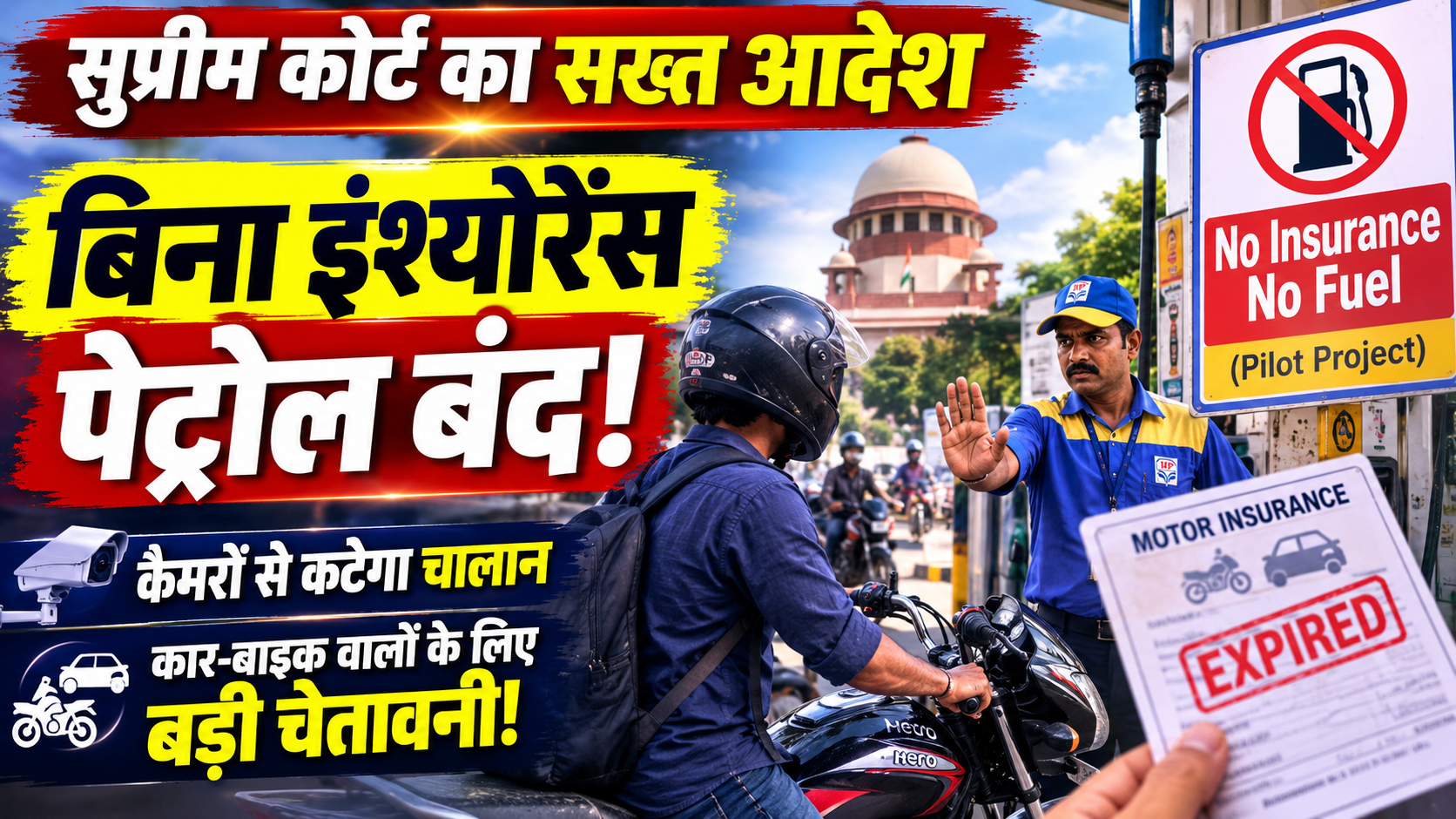
  • Vehicle Insurance: सुप्रीम कोर्ट का सख्त आदेश, बिना इंश्योरेंस पेट्रोल पर रोक का पायलट; कैमरों से कटेगा चालान

    Vehicle Insurance: सुप्रीम कोर्ट का सख्त आदेश, बिना इंश्योरेंस पेट्रोल पर रोक का पायलट; कैमरों से कटेगा चालान

    सुप्रीम कोर्ट ने बिना इंश्योरेंस वाहनों पर ANPR से e-challan और ‘No Insurance, No Fuel’ pilot का निर्देश दिया है। जानें कार-बाइक owners पर असर।

    नई दिल्ली: अगर आपके पास कार, बाइक, स्कूटर या कोई दूसरा वाहन है, तो Vehicle Insurance पर सुप्रीम कोर्ट का यह आदेश आपके लिए बेहद महत्वपूर्ण है। सुप्रीम कोर्ट ने बिना वैध थर्ड-पार्टी इंश्योरेंस सड़कों पर चल रहे वाहनों के खिलाफ कार्रवाई को और सख्त बनाने के लिए technology-based व्यवस्था विकसित करने के निर्देश दिए हैं। इसके तहत Automatic Number Plate Recognition यानी ANPR कैमरों के जरिए वाहनों की पहचान, insurance records से verification और automatic e-challan की व्यवस्था की दिशा में काम किया जाएगा।

    कोर्ट ने इसके साथ ही insurance status को पेट्रोल-डीजल की बिक्री से जोड़ने वाले “No Insurance, No Fuel” pilot project को विकसित करने का निर्देश भी दिया है। हालांकि, इसका मतलब यह नहीं है कि आज से पूरे देश के हर पेट्रोल पंप पर बिना इंश्योरेंस वाहन को पेट्रोल मिलना बंद हो गया है। यह अभी pilot project के स्तर पर है।

    सुप्रीम कोर्ट ने वाहन इंश्योरेंस पर क्यों लिया सख्त रुख?

    यह मामला National Insurance Company Limited बनाम Smt. Thungala Dhana Laxmi & Others से जुड़ा है। सुनवाई के दौरान सुप्रीम कोर्ट के सामने देश में mandatory motor insurance के कमजोर अनुपालन का मुद्दा सामने आया।

    कोर्ट ने पाया कि कानून के तहत third-party insurance अनिवार्य होने के बावजूद बड़ी संख्या में वाहन बिना valid insurance के चल रहे हैं। इसी समस्या से निपटने के लिए Court ने insurance compliance को technology, vehicle databases और enforcement mechanisms से जोड़ने की दिशा में कई निर्देश दिए हैं।

    इसका उद्देश्य केवल uninsured vehicles पर चालान करना नहीं है। Motor insurance का एक बड़ा उद्देश्य सड़क दुर्घटना के पीड़ितों को compensation मिलने की व्यवस्था को मजबूत करना भी है।

    बिना इंश्योरेंस वाहन कैमरे से कैसे पकड़े जाएंगे?

    आने वाली व्यवस्था को आसान भाषा में समझें तो इसका तरीका कुछ ऐसा होगा:

    गाड़ी सड़क पर चली → ANPR कैमरे ने नंबर प्लेट पढ़ी → vehicle database से जानकारी मिली → insurance status verify हुआ → insurance valid नहीं मिला → e-challan की कार्रवाई।

    सुप्रीम कोर्ट ने Automatic Number Plate Recognition यानी ANPR cameras को insurance information और vehicle registration databases के साथ integrate करने की दिशा में व्यवस्था विकसित करने को कहा है।

    इसका फायदा यह होगा कि हर uninsured vehicle को पकड़ने के लिए traffic police को हर बार वाहन रोकना जरूरी नहीं रह सकता। Technology के जरिए vehicle insurance compliance की निगरानी ज्यादा automated हो सकती है।

    राज्य पुलिस को भी real-time insurance verification के लिए handheld devices या applications उपलब्ध कराने की दिशा में निर्देश दिए गए हैं, ताकि मौके पर ही वाहन का insurance status देखा जा सके।

    “No Insurance, No Fuel” क्या आज से लागू हो गया?

    नहीं।

    सुप्रीम कोर्ट ने सभी petrol pumps पर तत्काल nationwide insurance checking शुरू करने का आदेश नहीं दिया है। Court ने संबंधित authorities को consultation के जरिए एक pilot project तैयार करने का निर्देश दिया है, जिसके तहत valid third-party insurance को fuel supply से जोड़ा जा सकता है।

    यानी भविष्य में technology के जरिए यह जांच संभव बनाने की कोशिश होगी कि पेट्रोल या डीजल लेने वाले वाहन का mandatory insurance valid है या नहीं।

    इसलिए अगर सोशल मीडिया पर कोई यह दावा करता है कि “सुप्रीम कोर्ट के आदेश से आज से बिना इंश्योरेंस पेट्रोल मिलना बंद हो गया”, तो यह दावा भ्रामक होगा।

    अभी की स्थिति: No Insurance, No Fuel एक pilot project है, nationwide लागू नियम नहीं।

    16.54 करोड़ uninsured वाहनों का आंकड़ा क्या है?

    इस फैसले की खबरों में लगभग 56 प्रतिशत वाहनों के uninsured होने की बात प्रमुखता से सामने आई है। लेकिन इस आंकड़े को समझना जरूरी है।

    भारत सरकार ने 20 मार्च 2023 को लोकसभा में दिए जवाब में बताया था कि MoRTH से प्राप्त जानकारी के अनुसार देश का estimated vehicle fleet 30.48 करोड़ था, जिसमें 16.54 करोड़ वाहन uninsured थे। इस आंकड़े में मध्य प्रदेश, आंध्र प्रदेश और लक्षद्वीप का data शामिल नहीं था।

    लोकसभा का मूल सरकारी जवाब यहां देखें

    16.54 करोड़ को 2026 में uninsured वाहनों की नई सरकारी गिनती नहीं है। यह 2023 के सरकारी आंकड़ों पर आधारित संख्या है, जिसका सुप्रीम कोर्ट ने अपने मामले में संदर्भ लिया।

    उपलब्ध सरकारी आंकड़े 16.54 करोड़ को 30.48 करोड़ के मुकाबले करीब 54 से 56 प्रतिशत दिखाते हैं।

    Third-party vehicle insurance पहले से अनिवार्य है

    सुप्रीम कोर्ट के इस आदेश के बाद कुछ लोगों को लग सकता है कि वाहन का insurance पहली बार mandatory किया गया है। लेकिन ऐसा नहीं है।

    भारत में public roads पर चलने वाले motor vehicles के लिए third-party liability insurance पहले से अनिवार्य है। IRDAI की policyholder guidance में भी motor third-party insurance की अनिवार्यता स्पष्ट की गई है।

    IRDAI की आधिकारिक Motor Insurance जानकारी

    Motor Vehicles Act की Section 146 भी third-party insurance की अनिवार्यता से संबंधित है।

    इसलिए सुप्रीम कोर्ट के ताजा हस्तक्षेप का बड़ा हिस्सा नया insurance obligation बनाने के बजाय existing mandatory insurance की compliance और enforcement को मजबूत करना है।

    बिना इंश्योरेंस गाड़ी चलाने पर कितना जुर्माना है?

    Motor Vehicles Act की Section 196 के तहत बिना insurance वाहन चलाने पर मौजूदा कानून में पहली बार अपराध के लिए तीन महीने तक की imprisonment या ₹2,000 तक fine या दोनों का प्रावधान है।

    दोबारा अपराध होने पर तीन महीने तक की imprisonment या ₹4,000 तक fine या दोनों हो सकते हैं।

    India Code — Motor Vehicles Act, Section 196

    इसलिए अगर कहीं ₹10,000 के fine को तुरंत लागू नया नियम बताया जा रहा है, तो उसे सावधानी से पढ़ना चाहिए। Proposed changes और वर्तमान लागू penalty को एक जैसा नहीं माना जाना चाहिए।

    नई कार और बाइक खरीदने वालों के लिए भी बड़ा बदलाव

    Supreme Court के इस फैसले में नए vehicles के third-party insurance tenure को लेकर भी महत्वपूर्ण निर्देश हैं।

    नई private cars के लिए mandatory third-party insurance cover की अवधि 3 साल से बढ़ाकर 4 साल और नए two-wheelers के लिए 5 साल से बढ़ाकर 6 साल करने का निर्देश दिया गया है।

    इसका मतलब नई car या bike खरीदने वाले ग्राहकों के लिए mandatory third-party cover की शुरुआती अवधि पहले से लंबी होगी।

    लेकिन यहां एक जरूरी अंतर समझना चाहिए—third-party insurance और comprehensive insurance एक ही चीज नहीं हैं।

    क्या अब comprehensive insurance लेना जरूरी होगा?

    नहीं।

    सुप्रीम कोर्ट के इस आदेश का मतलब यह नहीं है कि हर car या bike owner के लिए comprehensive insurance mandatory कर दिया गया है।

    Mandatory requirement third-party liability cover की है। इसके अलावा own-damage, personal accident और अन्य अतिरिक्त covers अलग insurance protection दे सकते हैं।

    इसलिए vehicle owner को policy खरीदते समय यह देखना चाहिए कि उसके insurance में कौन-कौन से risks covered हैं और कौन से नहीं।

    सुप्रीम कोर्ट ने insurance policy को भी आसान बनाने की बात कही

    Court ने motor insurance products को ज्यादा स्पष्ट और consumer-friendly बनाने की दिशा में भी निर्देश दिए हैं।

    इसमें अलग-अलग insurance layers और customer को optional covers चुनने के लिए स्पष्ट विकल्प देने जैसी व्यवस्था शामिल है। इसका उद्देश्य यह है कि policyholder को यह समझने में परेशानी न हो कि उसने किस प्रकार का insurance लिया है और दुर्घटना की स्थिति में कौन-सा risk covered है।

    यह बदलाव खासतौर पर उन vehicle owners के लिए महत्वपूर्ण है जो केवल policy document में “insurance” लिखा देखकर यह मान लेते हैं कि उनकी हर तरह की vehicle damage automatically covered है।

    बिना इंश्योरेंस वाहन से accident हुआ तो क्या होगा?

    Mandatory third-party insurance का महत्व केवल चालान से नहीं जुड़ा है।

    यदि किसी uninsured vehicle से सड़क दुर्घटना होती है, तो accident victim या उसके परिवार के लिए compensation की प्रक्रिया ज्यादा मुश्किल हो सकती है। Third-party insurance व्यवस्था का एक प्रमुख उद्देश्य इसी financial liability को cover करना है।

    यही वजह है कि सुप्रीम कोर्ट ने uninsured vehicles की समस्या को केवल traffic violation के रूप में नहीं देखा, बल्कि road safety और accident victims के compensation से भी जोड़ा है।

    Vehicle Insurance enforcement में अब technology की भूमिका बढ़ेगी

    सुप्रीम कोर्ट के निर्देशों का सबसे बड़ा practical असर यही हो सकता है कि insurance checking धीरे-धीरे manual verification से technology-based enforcement की तरफ बढ़े।

    कल्पना कीजिए कि आपकी गाड़ी सड़क पर जा रही है और ANPR camera उसकी number plate पढ़ता है। यदि system vehicle registration और insurance database से जुड़ा हुआ है, तो vehicle का insurance status automatically verify किया जा सकता है।

    अगर insurance valid है तो कोई समस्या नहीं। लेकिन अगर mandatory insurance expired है, तो electronic enforcement mechanism के जरिए आगे कार्रवाई की जा सकती है।

    हालांकि यह व्यवस्था किस राज्य में कब और किस तरीके से लागू होगी, यह implementation के बाद ही स्पष्ट होगा। इसलिए इसे अभी हर शहर और हर सड़क पर लागू व्यवस्था मानना सही नहीं होगा।

    वाहन मालिक अभी क्या करें?

    अगर आपके पास car, bike, scooter या commercial vehicle है, तो सबसे आसान और जरूरी कदम है अपने third-party insurance की validity check करना।

    अपनी policy में:

    • expiry date देखें;
    • vehicle registration number सही है या नहीं जांचें;
    • insurance certificate सुरक्षित रखें;
    • policy expire होने से पहले renewal कराएं।

    अगर insurance पहले ही expire हो चुका है, तो valid mandatory cover के बिना public road पर vehicle चलाने से बचना चाहिए।

    क्योंकि जैसे-जैसे technology-based enforcement आगे बढ़ेगा, insurance renewal भूलने वाले vehicle owners के लिए कार्रवाई से बचना मुश्किल हो सकता है।

    Vehicle Owners के लिए इस आदेश का सीधा मतलब

    अगर आपके पास गाड़ी है, तो फिलहाल इन पांच बातों को समझना सबसे जरूरी है:

    पहली बात: third-party motor insurance पहले से mandatory है।

    दूसरी बात: Supreme Court ने uninsured vehicles के खिलाफ technology-based enforcement मजबूत करने के निर्देश दिए हैं।

    तीसरी बात: ANPR cameras, vehicle databases और insurance information को जोड़कर automatic e-challan की व्यवस्था विकसित करने की दिशा में कदम उठाया गया है।

    चौथी बात: “No Insurance, No Fuel” अभी देशभर में लागू नियम नहीं है। इसके लिए pilot project तैयार करने का निर्देश दिया गया है।

    पांचवीं बात: नई private cars और नए two-wheelers के third-party insurance tenure में बदलाव किया गया है।

    गाड़ी है तो Insurance Status जरूर Check करें

    सुप्रीम कोर्ट के इस Vehicle Insurance Supreme Court Order 2026 का सबसे बड़ा संदेश यह है कि mandatory insurance की compliance को अब केवल कागजी औपचारिकता के रूप में नहीं देखा जा रहा है।

    ANPR cameras, vehicle databases और automatic e-challan जैसी technology के इस्तेमाल से uninsured vehicles की पहचान ज्यादा आसान बनाने की कोशिश की जा रही है। वहीं “No Insurance, No Fuel” pilot आगे चलकर लागू होता है तो vehicle owners के लिए insurance renewal को नजरअंदाज करना और भी मुश्किल हो सकता है।

    लेकिन फिलहाल यह याद रखना जरूरी है कि बिना insurance पेट्रोल पर nationwide रोक अभी लागू नहीं हुई है। यह pilot project के स्तर पर है।

    अगर आपकी car या bike का insurance expire हो चुका है या जल्द expire होने वाला है, तो policy की validity अभी check कर लेना सबसे समझदारी भरा कदम है।

    सड़क पर वाहन चलाना है तो valid third-party insurance सिर्फ कानूनी जरूरत नहीं, बल्कि दुर्घटना की स्थिति में financial protection की भी अहम कड़ी है।
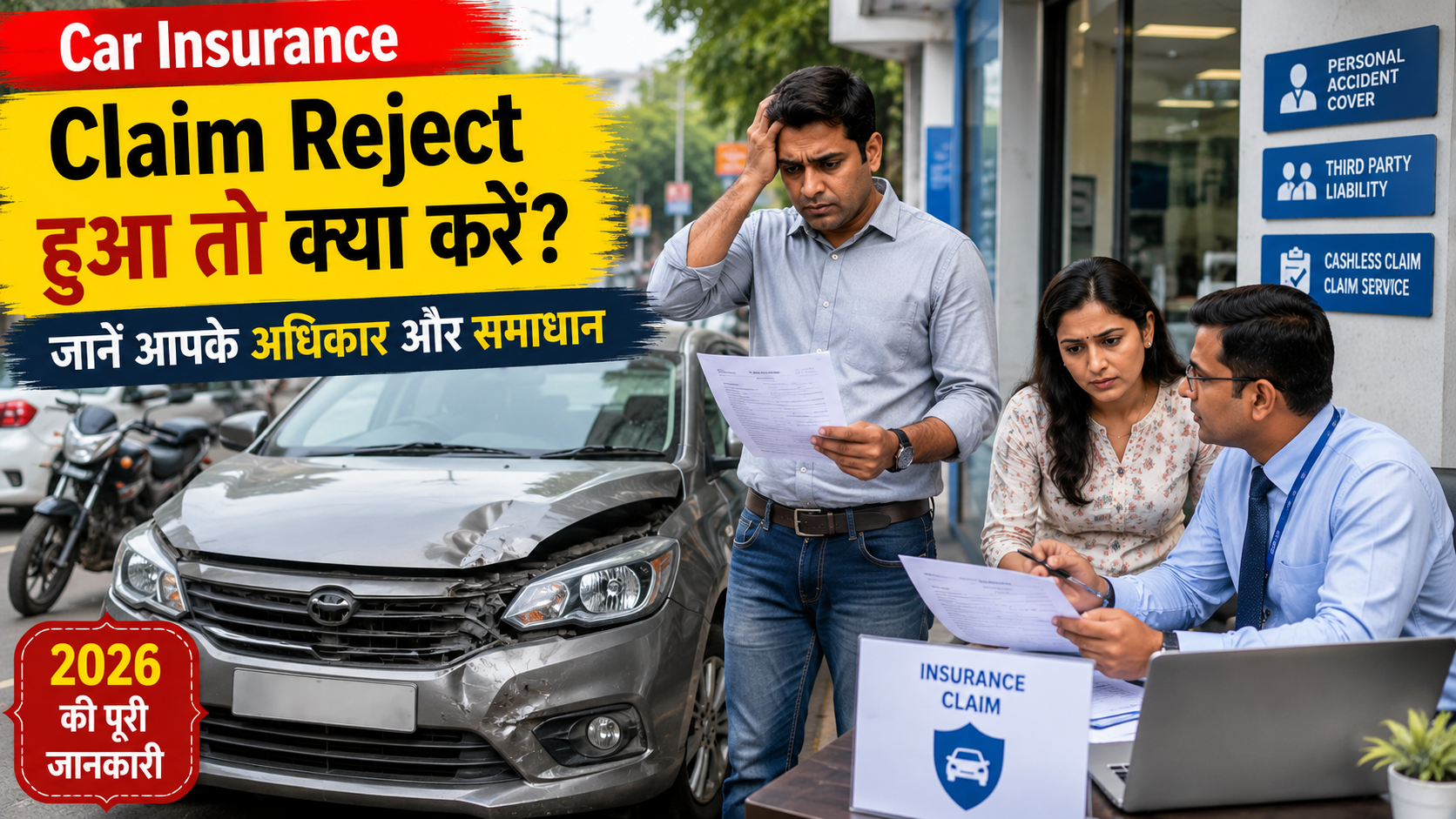
  • Vehicle Insurance 2026: Claim Reject हुआ तो क्या करें?

    Vehicle Insurance 2026: Claim Reject हुआ तो क्या करें?

    Vehicle Insurance 2026 में Third-Party, Comprehensive Policy और Claim Rejection के नियम समझें। Claim अटकने पर Bima Bharosa से शिकायत कैसे करें, जानें।

    Vehicle Insurance 2026: अगर accident के बाद insurance claim reject हो जाए या insurer claim settlement में देरी करे, तो policyholder के पास शिकायत और grievance redressal के रास्ते मौजूद हैं। Vehicle insurance खरीदते समय Third-Party और Own Damage cover का अंतर समझना जितना जरूरी है, उतना ही जरूरी policy terms, exclusions, documents और claim process को जानना भी है।

    भारत में motor vehicle owners के लिए insurance सिर्फ एक financial product नहीं, बल्कि सड़क पर वाहन चलाने से जुड़ी महत्वपूर्ण legal और financial protection है। लेकिन ज्यादातर लोग policy खरीदते समय सिर्फ premium देखते हैं और policy की actual coverage, exclusions, deductible और claim conditions को नजरअंदाज कर देते हैं।

    मुश्किल तब शुरू होती है जब accident के बाद claim किया जाता है और insurer coverage, documents या policy conditions के आधार पर सवाल उठाता है।

    2026 में vehicle insurance policyholders के लिए सबसे जरूरी बात यही है कि policy खरीदते समय coverage समझें और claim dispute होने पर अपने grievance redressal rights का इस्तेमाल करें।

    Vehicle Insurance 2026 में सबसे जरूरी अपडेट क्या है?

    भारत में motor insurance से जुड़ा regulatory framework IRDAI के regulations के तहत चलता है। Department of Financial Services की official listing में IRDAI (Rural, Social Sector and Motor Third Party Obligations) Regulations, 2024 और Protection of Policyholders’ Interests Regulations, 2024 शामिल हैं। Department of Financial Services की listing जुलाई 2026 में updated है।

    इसका मतलब यह है कि Vehicle Insurance policyholder को सिर्फ policy खरीदने के बाद insurer के निर्णय को blindly accept करने की जरूरत नहीं है। Policy terms के अनुसार claim का assessment होगा, लेकिन अगर policyholder को लगता है कि complaint का सही समाधान नहीं हुआ, तो निर्धारित grievance mechanism का इस्तेमाल किया जा सकता है।

    Third-Party Insurance और Comprehensive Policy में क्या अंतर है?

    Vehicle Insurance लेते समय सबसे पहले यह समझना जरूरी है कि Third-Party Insurance और Comprehensive Insurance एक जैसे नहीं होते।

    Third-Party Insurance

    Third-Party policy का मुख्य उद्देश्य insured vehicle से किसी third party को होने वाली liability से संबंधित coverage देना है।

    उदाहरण के तौर पर, अगर किसी vehicle से किसी अन्य व्यक्ति या उसकी संपत्ति को नुकसान पहुंचता है, तो policy terms और applicable legal provisions के अनुसार third-party liability का मामला सामने आ सकता है।

    Comprehensive या Package Policy

    Comprehensive या Package Policy में Third-Party Liability के साथ policy terms के अनुसार अपने vehicle के नुकसान का Own Damage cover भी शामिल हो सकता है।

    यह coverage accident, theft, fire या अन्य covered risks से जुड़ी हो सकती है। हालांकि, हर policy में coverage और exclusions अलग हो सकते हैं।

    इसलिए “Comprehensive” शब्द देखकर ही policy न खरीदें। Policy document में actual coverage जरूर देखें।

    सिर्फ Third-Party Insurance होने पर अपनी गाड़ी का नुकसान मिलेगा?

    आमतौर पर Third-Party Liability policy का मुख्य उद्देश्य third-party liability को cover करना होता है। अपने vehicle के damage के लिए अलग Own Damage या package coverage की जरूरत हो सकती है।

    यही कारण है कि vehicle owner को policy खरीदने से पहले यह स्पष्ट रूप से देखना चाहिए:

    • Third-Party Liability cover है या नहीं?
    • Own Damage cover शामिल है या नहीं?
    • Accident damage किस सीमा तक cover है?
    • Theft या total loss की स्थिति में policy क्या कहती है?
    • Deductible कितना है?
    • कौन-कौन से exclusions लागू हैं?

    कई policyholders को claim के समय पहली बार पता चलता है कि जिस नुकसान के लिए वे claim कर रहे हैं, वह उनकी policy coverage में शामिल ही नहीं था।

    Vehicle Insurance Claim Reject हो जाए तो सबसे पहले क्या करें?

    अगर insurer claim reject करता है, तो policyholder को सिर्फ phone call पर मिली जानकारी पर निर्भर नहीं रहना चाहिए।

    सबसे पहले claim rejection का लिखित कारण मांगना चाहिए।

    Written communication में ideally यह स्पष्ट होना चाहिए:

    • Claim क्यों reject किया गया?
    • Policy की कौन सी condition लागू की गई?
    • कौन सा document या fact missing है?
    • कौन सा exclusion claim पर लागू किया गया?

    अगर rejection reason policy terms से मेल नहीं खाता या policyholder को लगता है कि decision सही नहीं है, तो insurer की internal grievance redressal process में complaint दर्ज की जा सकती है।

    मौखिक बातचीत की बजाय written record रखना ज्यादा उपयोगी होता है।

    vehicle-insurance-2026-claim-rejection

    Accident के बाद Claim के लिए कौन से Documents जरूरी हो सकते हैं?

    Claim की exact document requirement accident और policy terms पर निर्भर करती है। आमतौर पर policyholder से इनमें से कुछ documents मांगे जा सकते हैं:

    • Insurance policy details
    • Vehicle Registration Certificate यानी RC
    • Valid Driving Licence
    • Claim form
    • Accident की जानकारी
    • Police report या FIR, जहां आवश्यक हो
    • Repair estimate
    • Repair bills
    • Vehicle की photographs
    • Theft case में police documents

    हर accident में सभी documents जरूरी हों, ऐसा नहीं है।

    इसलिए insurer से claim process की exact requirement लिखित रूप में लेना बेहतर है।

    Claim Reject होने से बचने के लिए किन बातों का ध्यान रखें?

    Claim approval policy terms और incident की परिस्थितियों पर निर्भर करता है। इसलिए policyholder को ये गलतियां नहीं करनी चाहिए:

    Policy में गलत जानकारी देना

    Vehicle, owner, driver या vehicle usage से जुड़ी महत्वपूर्ण जानकारी गलत देना claim dispute का कारण बन सकता है।

    Accident की सूचना में अनावश्यक देरी करना

    Accident के बाद insurer को सूचना देने में देरी होने पर claim process प्रभावित हो सकता है। Policy में दिए गए notification requirements को देखना जरूरी है।

    Valid Driving Licence के बिना वाहन चलाना

    Driver के पास applicable और valid driving licence होना claim assessment में महत्वपूर्ण हो सकता है।

    Vehicle का गलत उपयोग

    अगर vehicle का उपयोग policy में घोषित उद्देश्य से अलग तरीके से किया गया हो, तो claim पर सवाल उठ सकते हैं।

    Accident के बाद बिना documentation के repair कराना

    Repair शुरू करने से पहले insurer की claim process requirements समझना जरूरी है। कई मामलों में survey या inspection की आवश्यकता हो सकती है।

    2026 में Insurance Claim को लेकर Consumer Rights क्यों महत्वपूर्ण हैं?

    20 जुलाई 2026 को आंध्र प्रदेश के Kurnool District Consumer Disputes Redressal Commission ने एक accidental death insurance dispute में insurer को ₹50 लाख का payout करने का आदेश दिया। Commission ने कहा कि policy जारी होने के समय मौजूद terms के बाहर claim के समय नई शर्तें थोपना उचित नहीं है। यह मामला motor insurance का नहीं था, लेकिन consumer protection के दृष्टिकोण से यह policy terms और claim settlement के महत्व को दिखाता है।

    इसका सीधा मतलब यह नहीं है कि हर vehicle insurance claim automatically approve होगा।

    Motor insurance claim का फैसला हमेशा संबंधित policy terms, exclusions, documents और accident की परिस्थितियों के आधार पर होगा।

    लेकिन policyholder को claim rejection का कारण समझने और उपलब्ध grievance mechanism का इस्तेमाल करने का अधिकार है।

    Claim अटक जाए तो Insurance Company के खिलाफ शिकायत कैसे करें?

    अगर claim या insurance service को लेकर समस्या है, तो पहला कदम संबंधित insurer की grievance redressal process में लिखित complaint दर्ज करना है।

    IRDAI के Bima Bharosa FAQ के अनुसार, policyholder को complaint लिखित रूप में supporting documents के साथ देनी चाहिए और complaint की written acknowledgement लेनी चाहिए। IRDAI के अनुसार, insurer को complaint पर निर्धारित समयसीमा में कार्रवाई करनी चाहिए।

    अगर policyholder insurer के resolution से संतुष्ट नहीं है या complaint का समाधान निर्धारित समय में नहीं होता, तो Bima Bharosa के माध्यम से complaint को आगे बढ़ाया जा सकता है।

    Bima Bharosa में Vehicle Insurance Complaint कैसे दर्ज करें?

    IRDAI का Bima Bharosa portal insurance policyholders के लिए grievance registration और tracking की सुविधा देता है।

    Complaint दर्ज करते समय policyholder को सामान्यतः ये details तैयार रखनी चाहिए:

    • Insurance company का नाम
    • Policy number
    • Claim number, अगर complaint claim से जुड़ी है
    • Complaint का पूरा विवरण
    • Supporting documents
    • Policy और claim से जुड़े जरूरी records

    Bima Bharosa portal पर complaint register होने के बाद token number के जरिए complaint को track किया जा सकता है।

    Bima Bharosa Complaint के लिए कोई Payment नहीं देना होता

    IRDAI ने policyholders को स्पष्ट चेतावनी दी है कि Bima Bharosa complaint registration या grievance resolution के लिए किसी भी तरह का payment नहीं मांगता।

    किसी ऐसे व्यक्ति, message या link से सावधान रहें जो claim release या complaint settlement के नाम पर payment या QR code scan करने को कहे।

    Vehicle Insurance Policy खरीदते समय Premium से ज्यादा क्या देखें?

    सिर्फ कम premium देखकर Vehicle Insurance खरीदना सही तरीका नहीं है।

    Policy compare करते समय इन points को देखें:

    Coverage

    क्या policy सिर्फ Third-Party Liability cover करती है या Own Damage भी शामिल है?

    IDV

    IDV यानी Insured Declared Value policy में महत्वपूर्ण factor हो सकती है, खासकर total loss या theft जैसी situations में policy terms के अनुसार।

    Deductible

    Claim के समय policyholder को खुद कितना amount bear करना पड़ सकता है, यह deductible से जुड़ा होता है।

    Exclusions

    Policy में कौन से risks cover नहीं हैं, यह section बहुत ध्यान से पढ़ना चाहिए।

    Add-ons

    Zero Depreciation, Roadside Assistance या अन्य add-ons की जरूरत vehicle और usage के अनुसार अलग हो सकती है।

    Claim Process

    Insurer को accident की सूचना कैसे देनी है और claim process क्या है, यह पहले से समझना चाहिए।

    Vehicle Insurance Renewal में Policyholder सबसे बड़ी गलती क्या करते हैं?

    कई vehicle owners renewal के समय सिर्फ premium देखकर policy renew कर देते हैं।

    लेकिन renewal से पहले यह check करना जरूरी है:

    • Policy की expiry date
    • No Claim Bonus की स्थिति
    • IDV
    • Own Damage coverage
    • Deductible
    • Add-ons
    • Policy exclusions
    • Previous claim history

    Policy lapse होने पर vehicle owner को insurance coverage में gap का सामना करना पड़ सकता है। इसलिए policy expiry से पहले renewal की तैयारी करना बेहतर है।

    क्या 2026 में Vehicle Insurance Premium सभी के लिए बढ़ने वाला है?

    ऐसा कोई एक universal confirmed rule नहीं है जिसके आधार पर यह कहा जाए कि 2026 में सभी vehicle owners का insurance premium निश्चित रूप से बढ़ जाएगा।

    Premium कई factors पर निर्भर कर सकता है, जैसे:

    • Vehicle का type
    • Vehicle की age
    • Insured value
    • Location
    • Coverage
    • Claim history
    • Add-ons
    • Applicable regulatory pricing

    इसलिए “2026 में हर car और bike का insurance premium बढ़ेगा” जैसे blanket claims से बचना चाहिए।

    2026 में Car और Bike Owners के लिए सबसे जरूरी Checklist

    Vehicle Insurance खरीदने या renew करने से पहले:

    पहला: Policy type समझें — Third-Party या Comprehensive/Package।

    दूसरा: अपने vehicle का Own Damage cover है या नहीं, यह देखें।

    तीसरा: Policy की exclusions पढ़ें।

    चौथा: IDV और deductible को compare करें।

    पांचवां: Claim notification process समझें।

    छठा: Policy documents और claim-related communication सुरक्षित रखें।

    सातवां: Claim dispute होने पर पहले insurer की grievance process और जरूरत पड़ने पर Bima Bharosa का इस्तेमाल करें।

    2026 में सही Vehicle Insurance कैसे चुनें?

    सही policy हर vehicle owner के लिए अलग हो सकती है।

    एक नई car के owner, पुरानी car के owner और रोजाना delivery के लिए इस्तेमाल होने वाले commercial vehicle की insurance जरूरत एक जैसी नहीं होती।

    इसलिए policy चुनते समय यह सवाल पूछें:

    क्या मुझे सिर्फ कानूनी Third-Party cover चाहिए या अपने vehicle की भी financial protection चाहिए?

    इसके बाद coverage, IDV, deductible, exclusions और premium को एक साथ compare करें।

    सबसे सस्ती policy हमेशा सबसे अच्छी policy नहीं होती।

    वहीं, सबसे महंगी policy भी हर व्यक्ति के लिए जरूरी नहीं होती।

    सही policy वह है जिसकी coverage आपकी वास्तविक जरूरत और vehicle usage से match करती हो।

    Vehicle Insurance 2026 में सबसे जरूरी बात सिर्फ premium नहीं, बल्कि policy की actual coverage और claim process को समझना है।

    Third-Party Insurance और Comprehensive Policy में अंतर, Own Damage cover, IDV, deductible और exclusions को समझे बिना policy खरीदना बाद में महंगा पड़ सकता है।

    अगर accident के बाद claim reject हो जाता है, तो policyholder को rejection का लिखित कारण मांगना चाहिए और insurer की grievance redressal process का इस्तेमाल करना चाहिए। समाधान न मिलने पर IRDAI के Bima Bharosa platform के जरिए complaint दर्ज की जा सकती है।

    2026 में vehicle owners के लिए सबसे सुरक्षित approach यही है:

    Policy खरीदते समय terms पढ़ें, accident के बाद documents सुरक्षित रखें और claim dispute होने पर अपने grievance rights का इस्तेमाल करें।

    Official Sources

    FAQ: Vehicle Insurance 2026

    क्या Vehicle Insurance लेना जरूरी है?

    Public roads पर चलने वाले motor vehicles के लिए Third-Party Liability Insurance अनिवार्य है। इसके अलावा vehicle owner अपनी जरूरत के अनुसार Own Damage या Comprehensive coverage ले सकता है।

    Third-Party Insurance क्या cover करता है?

    Third-Party Insurance मुख्य रूप से insured vehicle से third party को होने वाली liability से जुड़ी coverage देता है। Policy की exact terms और applicable law के अनुसार coverage लागू होती है।

    Comprehensive Insurance क्या होता है?

    Comprehensive या Package Policy में Third-Party Liability के साथ policy terms के अनुसार अपने vehicle के नुकसान का Own Damage cover भी शामिल हो सकता है।

    Vehicle Insurance Claim reject हो जाए तो क्या करें?

    सबसे पहले insurer से claim rejection का लिखित कारण मांगें। इसके बाद insurer की grievance redressal process में complaint दर्ज करें। समाधान न मिलने पर IRDAI के Bima Bharosa platform का इस्तेमाल किया जा सकता है।

    Bima Bharosa में complaint दर्ज करने के लिए पैसे देने पड़ते हैं?

    नहीं। IRDAI के अनुसार Bima Bharosa complaint registration या grievance resolution के लिए policyholder से payment नहीं मांगता। किसी QR code या payment request से सावधान रहें।

    क्या सिर्फ Third-Party Insurance से अपनी गाड़ी का damage cover होता है?

    आमतौर पर Third-Party Liability cover अपने vehicle के damage के लिए नहीं होता। अपने vehicle के damage के लिए applicable Own Damage या Package coverage की जरूरत हो सकती है।

  • Life Insurance 2026: पॉलिसी लेने से पहले 7 बातें

    Life Insurance 2026: पॉलिसी लेने से पहले 7 बातें

    Life Insurance 2026 में GST और insurance sector में बड़े बदलाव हुए हैं। Policy लेने से पहले claim, nominee और surrender value से जुड़ी 7 बातें जानें।

    Life Insurance 2026: भारत में life insurance policy लेने वालों के लिए पिछले कुछ समय में कई महत्वपूर्ण बदलाव हुए हैं। Individual life insurance policies पर GST exemption, insurance sector में 100% FDI की अनुमति और policyholder protection पर बढ़ते focus के बीच policy खरीदने से पहले कुछ जरूरी बातें समझना बेहद महत्वपूर्ण है। Claim conditions, medical information, nominee और surrender value की जानकारी भविष्य में बड़े financial नुकसान से बचा सकती है।

    भारत में Life Insurance अब केवल tax saving या investment का साधन नहीं रह गया है। परिवार की financial security के लिए सही life cover चुनना और policy की शर्तों को समझना भी उतना ही जरूरी है।

    2026 में insurance sector से जुड़े बदलावों के बाद लोगों के लिए यह जानना जरूरी हो गया है कि policy खरीदते समय किन बातों की जांच करनी चाहिए और claim के समय परेशानी से कैसे बचा जा सकता है।

    Life Insurance 2026 में क्या बदला?

    Individual life insurance policyholders के लिए सबसे बड़ा बदलाव GST से जुड़ा है। Department of Financial Services के अनुसार, 22 सितंबर 2025 से सभी individual life insurance policies पर GST rate 18% से घटाकर 0% कर दिया गया है। हालांकि, group life insurance policies, group term और group credit life policies पर 18% GST लागू रह सकता है।

    Insurance sector में भी बड़ा regulatory बदलाव हुआ है। Sabka Bima Sabki Raksha (Amendment of Insurance Laws) Act, 2025 के तहत insurance companies में 100% तक FDI की अनुमति दी गई है। सरकार के अनुसार, इसका उद्देश्य investment, technology और competition को बढ़ावा देना है।

    अप्रैल 2026 में PIB की जानकारी के अनुसार, FY 2024-25 में भारत का insurance premium ₹11.93 लाख करोड़ रहा और देश में 41.84 करोड़ insurance policies जारी की गईं। सरकार ने insurance coverage बढ़ाने और “Insurance for All” के लक्ष्य पर भी जोर दिया है।

    Term Insurance और Traditional Life Insurance में क्या अंतर है?

    Life Insurance खरीदने से पहले सबसे पहले यह समझना जरूरी है कि अलग-अलग policies का उद्देश्य अलग हो सकता है।

    Term Insurance

    Term Insurance मुख्य रूप से financial protection के लिए होता है। Policy term के दौरान policyholder की मृत्यु होने पर nominee को policy के नियमों के अनुसार death benefit मिलता है।

    इसमें आमतौर पर:

    • Life cover पर मुख्य focus होता है
    • Premium structure policy के अनुसार तय होता है
    • Policy term और sum assured महत्वपूर्ण होते हैं
    • Death benefit की conditions ध्यान से पढ़ना जरूरी है

    Traditional Life Insurance

    Traditional life insurance products में protection के साथ savings या maturity benefits भी जुड़े हो सकते हैं। इनके terms, returns, bonuses और surrender value product के अनुसार अलग-अलग हो सकते हैं।

    इसलिए केवल premium देखकर Term Insurance और Traditional Life Insurance की तुलना करना सही तरीका नहीं है। Policyholder को यह देखना चाहिए कि उसकी जरूरत परिवार की financial protection, long-term savings या दोनों में से क्या है।

    Life Insurance खरीदने से पहले 7 जरूरी बातें

    1. Medical और Personal Information कभी न छिपाएं

    Life Insurance proposal form भरते समय अपनी medical history और अन्य जरूरी जानकारी सही-सही देना बेहद महत्वपूर्ण है।

    किसी बीमारी, पुराने इलाज, smoking habit या अन्य महत्वपूर्ण जानकारी को जानबूझकर छिपाने से future claim पर विवाद हो सकता है।

    वहीं, insurer को भी claim का फैसला policy documents और वास्तविक facts के आधार पर करना होता है। इसलिए policyholder को proposal form में दी गई जानकारी की copy और संबंधित medical documents सुरक्षित रखने चाहिए।

    2. Claim Reject होने से बचने के लिए Policy Terms पढ़ें

    Claim rejection से बचने का कोई एक guaranteed तरीका नहीं है, क्योंकि हर claim policy की शर्तों और facts के आधार पर तय होता है। लेकिन policyholder कुछ जरूरी सावधानियां जरूर बरत सकता है।

    Policy खरीदते समय:

    • Proposal form की जानकारी जांचें
    • Medical history सही भरें
    • Policy exclusions पढ़ें
    • Premium समय पर जमा करें
    • Nominee details अपडेट रखें
    • Policy documents सुरक्षित रखें
    • Insurer को जरूरी बदलावों की जानकारी दें

    Policyholder को यह समझना चाहिए कि केवल policy खरीद लेना पर्याप्त नहीं है। Policy की conditions को समझना भी जरूरी है।

    life-insurance-2026-policy-rules-update

    Medical जानकारी छिपाने से Claim पर क्या असर पड़ सकता है?

    बीमा policy एक contract होती है और proposal form में दी गई जानकारी महत्वपूर्ण होती है। अगर policyholder जानबूझकर material information छिपाता है, तो claim के समय यह विवाद का विषय बन सकता है।

    इसीलिए policy खरीदते समय:

    • पहले से मौजूद बीमारी की जानकारी दें
    • पुराने इलाज और महत्वपूर्ण medical history न छिपाएं
    • Smoking या tobacco use से जुड़ी जानकारी सही दें
    • Proposal form खुद पढ़कर भरें
    • किसी agent द्वारा गलत जानकारी भरने पर बिना पढ़े sign न करें

    दूसरी ओर, claim dispute होने पर policyholder को insurer के लिखित decision और उसके आधार की जानकारी मांगनी चाहिए।

    Surrender Value और Policy बंद करने से पहले क्या जानें?

    कई policyholders financial जरूरत के कारण policy को समय से पहले बंद करने के बारे में सोचते हैं। इसे surrender करना कहा जा सकता है, लेकिन policy बंद करने से पहले मिलने वाली राशि policy type, policy term, premium payment period और policy की अवधि पर निर्भर कर सकती है।

    IRDAI के Life Insurance Products से जुड़े master circular में surrender value और benefit illustration से जुड़े प्रावधान दिए गए हैं। Circular के अनुसार, policyholders को policy year-wise Guaranteed Surrender Value (GSV), Special Surrender Value (SSV) और applicable surrender values की जानकारी benefit illustration में दी जानी चाहिए।

    Policy surrender करने से पहले इन बातों की जांच करें:

    • अभी तक कितना premium जमा किया गया है?
    • Surrender करने पर कितनी राशि मिलेगी?
    • Policy को paid-up रखने का विकल्प है या नहीं?
    • Future death benefit पर क्या असर पड़ेगा?
    • नई policy लेने पर premium और waiting conditions क्या होंगी?

    सिर्फ financial pressure में policy बंद करने से पहले insurer से available options की जानकारी लेना बेहतर है।

    Nominee और Policy Documents की जांच क्यों जरूरी है?

    Life Insurance का मुख्य उद्देश्य परिवार को financial protection देना है। इसलिए nominee की जानकारी बेहद महत्वपूर्ण होती है।

    Policyholder को समय-समय पर जांचना चाहिए कि:

    • Nominee का नाम सही है या नहीं
    • Nominee की relationship details सही हैं या नहीं
    • Contact information updated है या नहीं
    • Policy document सुरक्षित है या नहीं
    • Premium payment records उपलब्ध हैं या नहीं

    शादी, बच्चे के जन्म या परिवार में बड़े बदलाव के बाद nominee details की समीक्षा करना उपयोगी हो सकता है।

    Life Insurance Claim अटक जाए तो शिकायत कहां करें?

    अगर claim या insurance service से जुड़ी शिकायत है, तो सबसे पहले संबंधित insurance company के grievance redressal mechanism में complaint दर्ज करनी चाहिए।

    अगर समस्या का समाधान नहीं होता या policyholder insurer के जवाब से संतुष्ट नहीं है, तो IRDAI के Bima Bharosa grievance platform का इस्तेमाल किया जा सकता है।

    IRDAI के अनुसार, Bima Bharosa के जरिए policyholders complaint register और track कर सकते हैं। शिकायत insurer के system और IRDAI repository तक पहुंचती है। IRDAI की जानकारी के अनुसार, insurer को complaint मिलने के बाद निर्धारित समयसीमा में उसका समाधान करना चाहिए।

    Bima Bharosa portal policyholders से complaint resolution के लिए किसी भी तरह का payment नहीं मांगता। इसलिए ऐसे किसी भी व्यक्ति या link से सावधान रहें जो complaint के बदले payment या QR code scan करने को कहे।

    2026 में सही Life Insurance Policy कैसे चुनें?

    सही policy का चुनाव हर व्यक्ति के लिए अलग हो सकता है। किसी दूसरे व्यक्ति की policy को देखकर वही product खरीदना जरूरी नहीं कि आपके लिए भी सही हो।

    Policy चुनते समय यह checklist देखें:

    1. परिवार की financial जरूरत कितनी है?
    2. Policy का life cover पर्याप्त है या नहीं?
    3. Premium लंबे समय तक आसानी से भरा जा सकता है?
    4. Policy की exclusions क्या हैं?
    5. Claim conditions क्या हैं?
    6. Nominee details और claim process स्पष्ट हैं?
    7. Surrender या policy lapse होने पर क्या नियम हैं?
    8. Policy का उद्देश्य protection है, savings है या दोनों?

    सबसे जरूरी बात यह है कि policy को केवल advertisement, agent के verbal promise या maturity amount देखकर न चुनें। Final decision से पहले policy document और benefit illustration पढ़ना चाहिए।

    Life Insurance Policy खरीदते समय ये गलतियां न करें

    कई policyholders policy खरीदते समय केवल premium और expected benefits पर ध्यान देते हैं। इससे बाद में confusion हो सकता है।

    इन गलतियों से बचें:

    • बिना पढ़े proposal form पर sign करना
    • Medical history छिपाना
    • Nominee details update न करना
    • Policy documents संभालकर न रखना
    • Premium due date भूलना
    • केवल verbal promises पर भरोसा करना
    • Surrender value जाने बिना policy बंद करना
    • Claim process की जानकारी न रखना

    Life Insurance 2026 में policyholders के लिए GST और insurance sector से जुड़े महत्वपूर्ण बदलाव हुए हैं। Individual life insurance policies पर GST exemption और insurance sector में 100% FDI की अनुमति के साथ policyholder awareness और protection पर भी focus बढ़ा है।

    लेकिन policy खरीदते समय केवल कम premium या बड़े benefits पर ध्यान देना पर्याप्त नहीं है। Medical information सही देना, policy terms पढ़ना, nominee details update रखना और surrender value समझना उतना ही जरूरी है।

    अगर claim से जुड़ी समस्या आती है, तो पहले insurer की grievance process का इस्तेमाल करें और जरूरत पड़ने पर IRDAI के Bima Bharosa platform पर शिकायत दर्ज की जा सकती है।

    Official Sources with Verified Links

    FAQ: Life Insurance से जुड़े आम सवाल

    2026 में Individual Life Insurance पर GST कितना है?

    Department of Financial Services के अनुसार, 22 सितंबर 2025 से individual life insurance policies पर GST rate 0% कर दिया गया है। Group life insurance policies पर अलग GST नियम लागू हो सकते हैं।

    Term Insurance और Traditional Life Insurance में क्या अंतर है?

    Term Insurance मुख्य रूप से life protection पर focus करता है, जबकि traditional life insurance products में protection के साथ savings या maturity benefits भी जुड़े हो सकते हैं। Product की वास्तविक शर्तें policy document में देखनी चाहिए।

    क्या Medical जानकारी छिपाने से Life Insurance Claim reject हो सकता है?

    Medical जानकारी छिपाने से claim dispute हो सकता है। इसलिए policy खरीदते समय proposal form में महत्वपूर्ण health information सही देना जरूरी है।

    Life Insurance Policy surrender करने से पहले क्या जांचना चाहिए?

    Policyholder को surrender value, paid-up option, future benefits और policy बंद करने के financial impact की जानकारी लेनी चाहिए। Applicable surrender values policy document और benefit illustration में देखी जानी चाहिए।

    Life Insurance Claim अटक जाए तो क्या करें?

    पहले insurer के grievance redressal mechanism में complaint दर्ज करें। समाधान न मिलने पर IRDAI के Bima Bharosa platform के जरिए complaint escalate की जा सकती है।

    क्या 2026 में Insurance Companies में 100% FDI की अनुमति है?

    हां। Sabka Bima Sabki Raksha (Amendment of Insurance Laws) Act, 2025 के तहत insurance companies में 100% तक FDI की अनुमति दी गई है।

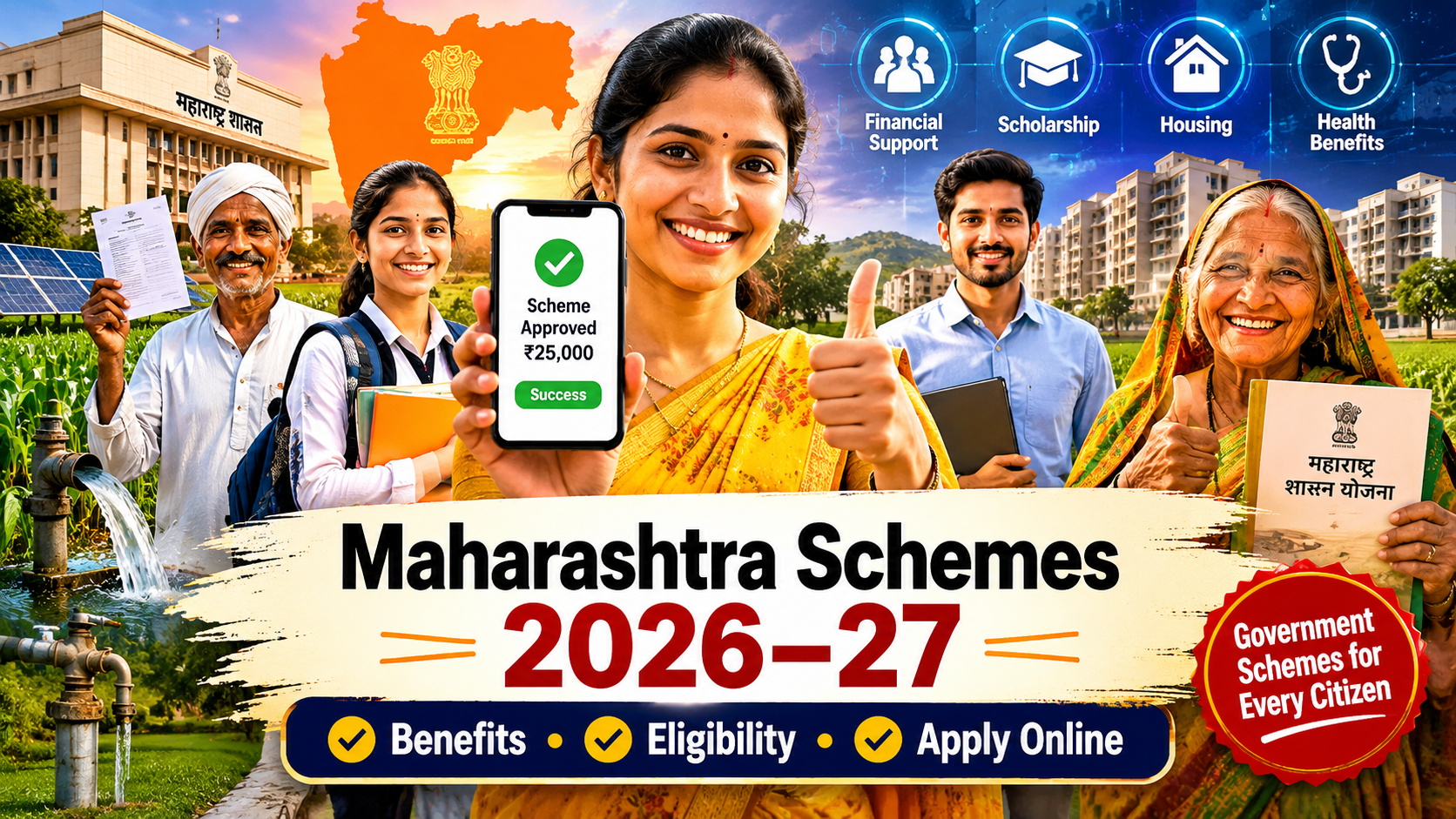
  • Maharashtra Government Schemes 2026–27 Full Guide

    Maharashtra Government Schemes 2026–27 Full Guide

    Explore Maharashtra Government Schemes 2026–27 with eligibility, benefits, online application steps, documents, and latest yojana updates.

    Maharashtra Government Schemes 2026–27 Full Guide

    Last Updated: 2026

    The Maharashtra Government continues to launch welfare schemes for women, farmers, students, unemployed youth, senior citizens, small business owners, and economically weaker families. However, most citizens still struggle to understand which scheme is right for them, how much benefit they can actually receive, and how to apply online without mistakes.

    Many people hear incomplete information through WhatsApp forwards, YouTube videos, social media reels, or local discussions. As a result, they search terms like “₹3000 monthly scheme,” “₹1500 women scheme,” or “₹6000 Maharashtra scheme” without knowing the real scheme name.

    read also- Ayushman Card Apply Online 2026: Fast ₹5 Lakh Guide

    This detailed Maharashtra Government Schemes 2026–27 guide solves that problem.

    Here, you will find:

    • Complete Maharashtra scheme list
    • Eligibility criteria
    • Monthly and yearly benefits
    • Online application process
    • Official government portals
    • Required documents
    • Beneficiary status check methods
    • Latest 2026–27 updates
    • Women, farmer, student, MSME, and housing schemes

    What Are Maharashtra Government Schemes?

    Maharashtra government schemes are welfare programs launched by the state government to support citizens financially, socially, educationally, and economically.

    These schemes help:

    • Women
    • Farmers
    • Students
    • Senior citizens
    • Unemployed youth
    • SC/ST communities
    • Small business owners
    • Disabled persons
    • Low-income families

    Benefits may include:

    • Monthly financial assistance
    • Scholarships
    • Subsidies
    • Housing support
    • Healthcare coverage
    • Pension benefits
    • Skill development training
    • Loan assistance

    Most applications are processed through:

    • MahaDBT Portal
    • Aaple Sarkar Portal
    • District government offices
    • CSC centers

    Difference Between Central and Maharashtra State Schemes

    Many citizens confuse central schemes with Maharashtra state schemes.

    read also- मुख्यमंत्री ने SRA परियोजना के लिए मोबाइल एप लॉन्च किया।

    Central Government Schemes

    These schemes are launched by the Government of India and apply nationwide.

    Examples include:

    • PM-KISAN
    • Ayushman Bharat
    • PMAY
    • PM-SYM

    Maharashtra State Government Schemes

    These schemes are launched specifically for Maharashtra residents.

    Examples include:

    • Mukhyamantri Majhi Ladki Bahin Yojana
    • Namo Shetkari Mahasanmaan Nidhi
    • Mukhyamantri Yuva Karya Prashikshan Yojana

    In many cases, eligible citizens can receive benefits from both central and state schemes together.

    Maharashtra Government Schemes List 2026–27

    Below is the updated category-wise Maharashtra Government Schemes List for 2026–27.

    Maharashtra Government Schemes for Women

    Mukhyamantri Majhi Ladki Bahin Yojana
    read also- Ladki Bahin Yojana: लाडकी बहनों को अब बैंक से मिलेगा जीरो इंट्रेस्ट पर कर्ज

    Women-focused schemes are among the highest searched welfare programs in Maharashtra.

    Mukhyamantri Majhi Ladki Bahin Yojana

    Mukhyamantri Majhi Ladki Bahin Yojana remains one of Maharashtra’s biggest welfare schemes for women.

    Under this scheme, eligible women receive ₹1,500 per month directly into their bank accounts through Direct Benefit Transfer (DBT).

    Main Benefits

    • ₹1,500 monthly financial assistance
    • Direct bank transfer
    • Support for economically weaker women
    • Improved household financial security

    Eligibility

    • Applicant must be a Maharashtra resident
    • Female applicant required
    • Income limit criteria apply
    • Aadhaar-linked bank account mandatory

    Required Documents

    • Aadhaar Card
    • Income Certificate
    • Domicile Certificate
    • Bank Passbook
    • Passport-size photo
    • Mobile number

    How to Apply

    Applications can be submitted through:

    • Aaple Sarkar Portal
    • Government camps
    • CSC centers

    Lek Ladki Yojana

    Lek Ladki Yojana supports girl child welfare and education in Maharashtra.

    Financial support is provided in stages from birth to higher education.

    Key Benefits

    • Educational assistance
    • Girl child support
    • Reduced financial burden on poor families
    read also- Ladki Bahin Yojana Update: महाराष्ट्र में लाडकी बहिन योजना की 11 वीं किस्त और मिलेगा 40 हजार का लोन

    Mata Surakshit Tar Ghar Surakshit Abhiyan

    This initiative improves maternal healthcare awareness.

    Benefits

    • Pregnancy monitoring
    • Free medical checkups
    • Maternal health awareness
    • Rural healthcare support

    Maharashtra Government Schemes for Farmers

    Farmers remain among the biggest beneficiaries of Maharashtra welfare schemes.

    Namo Shetkari Mahasanmaan Nidhi Yojana

    Under this scheme, eligible farmers receive ₹6,000 annually from the Maharashtra Government.

    When combined with PM-KISAN benefits, total support can reach ₹12,000 per year.

    Main Benefits

    • Direct DBT payment
    • Farmer income support
    • Additional assistance beyond PM-KISAN

    Eligibility

    • Maharashtra farmer
    • Valid land ownership records
    • Aadhaar-linked bank account

    Documents Required

    • Aadhaar Card
    • Land records
    • Bank details
    • Mobile number

    Maharashtra Crop Loan Waiver Scheme 2026

    The Maharashtra Budget 2026–27 introduced major relief measures for farmers, including crop loan waiver support up to ₹2 lakh for eligible farmers.

    Key Objectives

    • Reduce farmer debt burden
    • Support financially stressed farmers
    • Improve agricultural stability

    Mukhyamantri Saur Krushi Pump Yojana

    This scheme provides solar-powered agricultural pumps at subsidized rates.

    Benefits

    • Reduced electricity bills
    • Solar irrigation support
    • Long-term farming savings

    PM Kusum Maharashtra

    PM Kusum promotes solar energy usage in agriculture.

    Main Advantages

    • Solar panel subsidy
    • Renewable energy support
    • Lower irrigation costs

    Maharashtra Government Schemes for Students

    Several Maharashtra schemes support students financially and educationally.

    Maharashtra Post-Matric Scholarship Schemes

    Scholarships are available for:

    • SC students
    • ST students
    • OBC students
    • VJNT students
    • SBC students

    Benefits

    • Tuition fee reimbursement
    • Scholarship support
    • Hostel benefits

    Applications are processed through the MahaDBT Portal.

    Mukhyamantri Yuva Karya Prashikshan Yojana

    This scheme became highly popular because of its monthly stipend support for unemployed youth.

    Monthly Benefits

    • ₹6,000 to ₹10,000 stipend
    • Internship opportunities
    • Skill development support

    Eligibility

    • Maharashtra resident
    • Youth applicant
    • Educational qualification criteria apply

    Main Objective

    To improve employability and practical job readiness.

    Maharashtra AI Policy 2026 Youth Initiatives

    The Maharashtra Government has also announced new AI-focused employment and training initiatives under the Maharashtra AI Policy 2026.

    Focus Areas

    • AI skill development
    • Startup ecosystem growth
    • Technology employment opportunities
    • Digital innovation support

    Maharashtra Housing Schemes

    Housing schemes remain highly searched in Maharashtra.

    Ramai Awas Yojana

    Ramai Awas Yojana supports economically weaker SC/ST families with housing assistance.

    Benefits

    • Financial assistance for home construction
    • Rural housing support
    • Affordable housing assistance

    Modi Awas Gharkul Yojana

    This scheme focuses on providing housing support to poor and economically weaker families.

    Main Features

    • Subsidized housing support
    • Rural development benefits
    • Affordable housing opportunities

    Pradhan Mantri Awas Yojana Maharashtra

    PMAY supports affordable housing for urban and rural beneficiaries.

    Benefits

    • Home loan subsidy
    • Financial assistance
    • Affordable housing support

    Maharashtra Government Schemes for Health

    Healthcare schemes continue to expand across Maharashtra.

    Mahatma Jyotirao Phule Jan Arogya Yojana

    This health insurance scheme provides cashless treatment benefits to eligible families.

    Main Benefits

    • Hospitalization coverage
    • Cashless treatment
    • Financial protection during medical emergencies

    Ayushman Bharat Maharashtra

    Ayushman Bharat provides healthcare insurance support to economically weaker families.

    Coverage

    Eligible families receive health coverage for major medical treatment.

    Aapla Dawakhana Yojana

    This scheme improves access to affordable healthcare in urban areas.

    Main Services

    • Basic treatment
    • Low-cost medicines
    • Primary healthcare facilities
    read also- E Shram Card Benefits 2026: Hidden Perks & Full Guide

    Maharashtra Government Schemes for Business and MSMEs

    Entrepreneurs and small business owners can also benefit from various government schemes.

    MSME Subsidy Scheme Maharashtra

    This scheme supports small businesses and startups through subsidies and incentives.

    Benefits

    • Capital subsidy
    • Industrial incentives
    • Business development support

    Maharashtra Government Loan Schemes for Unemployed

    These schemes help unemployed youth start businesses through financial assistance and subsidized loans.

    Women Startup Support Schemes

    Women entrepreneurs can access:

    • Startup support
    • Subsidized loans
    • Skill development assistance
    • Business mentorship programs

    Maharashtra Government Schemes for Disabled Persons

    Several welfare schemes support disabled citizens in Maharashtra.

    Main Benefits

    • Pension assistance
    • Education support
    • Healthcare assistance
    • Skill development
    • Mobility support

    Applicants may need:

    • Disability certificate
    • Aadhaar Card
    • Income proof
    • Bank account details

    Maharashtra Government Schemes for SC/ST Communities

    Reserved category welfare schemes focus on education, housing, employment, and financial assistance.

    Key Schemes Include

    • Post-Matric Scholarship
    • Hostel schemes
    • Skill development programs
    • Housing support
    • Financial assistance schemes

    Scheme Decoder — You Heard About It, Here’s the Real Scheme

    Many users search using incorrect scheme names. Here are the real schemes behind popular search queries.

    What Is the ₹3,000 Monthly Government Scheme?

    This usually refers to PM-SYM (Pradhan Mantri Shram Yogi Maandhan).

    Under this pension scheme, eligible unorganized sector workers receive ₹3,000 monthly pension after the age of 60 years.

    What Is the ₹6,000 Per Month Scheme in Maharashtra?

    This usually refers to Mukhyamantri Yuva Karya Prashikshan Yojana.

    Eligible youth can receive ₹6,000–₹10,000 monthly stipend during skill training and internships.

    What Is the ₹1,500 Monthly Scheme for Women?

    This refers to Mukhyamantri Majhi Ladki Bahin Yojana.

    Eligible women receive ₹1,500 monthly through DBT transfer.

    What Is the Modi ₹4,000 Scheme?

    This query is usually based on confusion between multiple central and state government schemes such as PM-KISAN and state assistance programs.

    Which Maharashtra Scheme Is Right for You?

    Different schemes target different citizens.

    If You Are a Woman

    You may qualify for:

    • Ladki Bahin Yojana
    • Lek Ladki Yojana
    • Women startup support schemes

    If You Are a Farmer

    You may qualify for:

    • Namo Shetkari Yojana
    • Crop loan waiver scheme
    • PM Kusum
    • Solar pump schemes

    If You Are a Student

    You may qualify for:

    • MahaDBT scholarships
    • Hostel schemes
    • Skill development programs

    If You Are an Unemployed Youth

    You may qualify for:

    • Mukhyamantri Yuva Karya Prashikshan Yojana
    • Startup loan schemes
    • Skill development initiatives

    How to Apply for Maharashtra Government Schemes Online

    Most Maharashtra government schemes now support online applications.

    read also- Ayushman Card Apply Online 2026: Fast ₹5 Lakh Guide

    Apply Through Aaple Sarkar Portal

    Step-by-Step Process

    1. Visit the official portal
    2. Register using mobile number
    3. Verify Aadhaar details
    4. Upload documents
    5. Submit application form

    Apply Through MahaDBT Portal

    Steps

    1. Create student profile
    2. Upload educational documents
    3. Select scholarship scheme
    4. Submit application
    5. Track status online

    Apply Through CSC Centers

    Citizens without internet access can apply through Common Service Centres.

    CSC operators help with:

    • Registration
    • Document upload
    • Form submission
    • Status tracking

    Documents Required for Maharashtra Government Schemes

    Commonly required documents include:

    • Aadhaar Card
    • PAN Card
    • Income Certificate
    • Domicile Certificate
    • Bank Passbook
    • Passport-size photo
    • Mobile number
    • Educational certificates
    • Land records

    How to Check Maharashtra Scheme Application Status

    Citizens can track application status online.

    Methods

    • Aaple Sarkar Portal
    • MahaDBT dashboard
    • Official department portals
    • SMS notifications

    Maharashtra Government Schemes Comparison Table

    Scheme NameBenefitTarget GroupApplication Mode
    Ladki Bahin Yojana₹1,500/monthWomenOnline
    Namo Shetkari₹6,000/yearFarmersOnline
    Yuva Karya Prashikshan₹6,000–₹10,000/monthYouthOnline
    PMAY MaharashtraHousing subsidyFamiliesOnline
    MahaDBT ScholarshipsFee reimbursementStudentsOnline

    New Maharashtra Government Schemes and Updates 2026–27

    Several important updates were announced during Maharashtra Budget 2026–27.

    Major Highlights

    • Crop loan waiver support
    • Women welfare expansion
    • AI employment initiatives
    • Farmer assistance programs
    • Skill development expansion
    • Startup ecosystem support

    These updates significantly increased public search interest around Maharashtra welfare schemes.

    Frequently Asked Questions

    What is the ₹3,000 monthly government scheme?

    It usually refers to PM-SYM pension scheme for unorganized workers.

    What is the ₹6,000 monthly scheme in Maharashtra?

    It refers to Mukhyamantri Yuva Karya Prashikshan Yojana.

    What is Ladki Bahin Yojana?

    It is a Maharashtra government scheme providing ₹1,500 monthly assistance to eligible women.

    How can I apply for Maharashtra government schemes online?

    You can apply through Aaple Sarkar, MahaDBT, or CSC centers.

    What documents are required?

    Usually Aadhaar Card, income certificate, bank passbook, domicile certificate, and mobile number are required.

    Can I apply for multiple schemes?

    Yes, eligible citizens may apply for multiple schemes if rules allow.

    What is MahaDBT?

    MahaDBT is Maharashtra’s Direct Benefit Transfer portal used mainly for scholarships and welfare schemes.

    What is Aaple Sarkar Portal?

    Aaple Sarkar is Maharashtra Government’s citizen service portal for online scheme applications.

    Are there schemes for disabled persons?

    Yes, Maharashtra provides welfare schemes for disabled citizens including pension and education support.

    Are Maharashtra government schemes free?

    Most welfare schemes are free to apply for through official portals.

    Conclusion

    The Maharashtra Government Schemes 2026–27 ecosystem now covers almost every major citizen category including women, farmers, students, unemployed youth, senior citizens, entrepreneurs, and economically weaker families.

    However, simply knowing the scheme name is not enough. Citizens must understand:

    • Eligibility
    • Required documents
    • Official portals
    • Application process
    • Status verification methods

    Schemes like Mukhyamantri Majhi Ladki Bahin Yojana, Namo Shetkari Mahasanmaan Nidhi, and Mukhyamantri Yuva Karya Prashikshan Yojana are expected to remain among the highest searched welfare programs throughout 2026–27.

    Applicants should always verify details through official government portals before submitting applications or sharing personal documents.

    Relevant Official Website Links

    Disclaimer

    This article is published for educational and informational purposes only. Scheme details, eligibility criteria, benefits, application procedures, and government announcements may change over time based on official Maharashtra Government updates.

    Users are strongly advised to verify all information from official government portals before submitting applications or sharing personal documents.

    Official Government Websites:

    We do not represent any government authority. We are not responsible for application rejection, scheme changes, technical portal issues, or financial losses caused by outdated information or third-party actions.

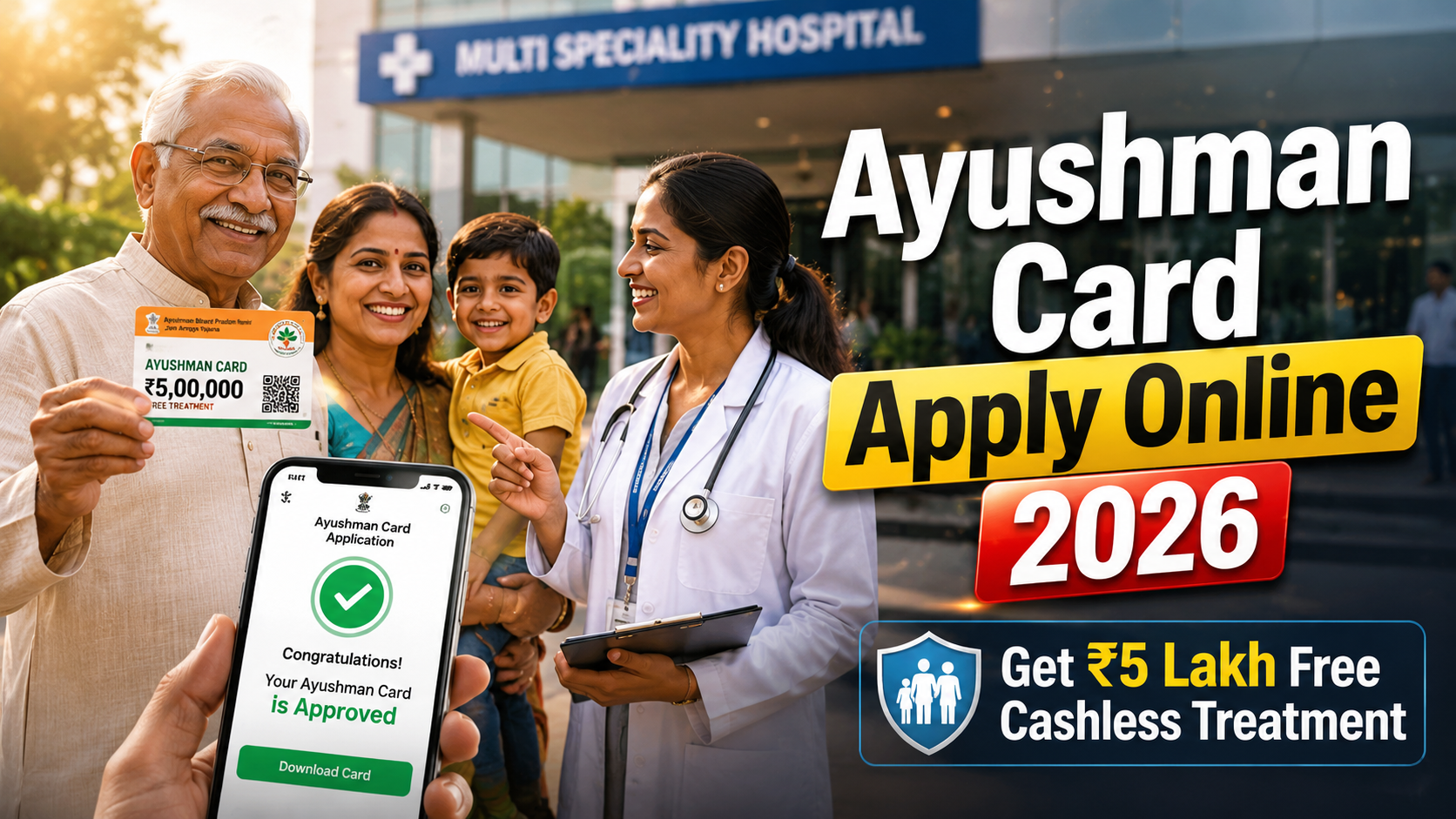
  • Ayushman Card Apply Online 2026: Fast ₹5 Lakh Guide

    Ayushman Card Apply Online 2026: Fast ₹5 Lakh Guide

    Apply for Ayushman Card online in 2026 using portal, app, CSC or hospital. Check eligibility, documents, status and download card fast.

    Ayushman Card Apply Online 2026: Complete Step-by-Step Guide

    Last Updated: 2026

    The Ayushman Card has become one of the most important healthcare benefits for millions of Indian families. Under the Pradhan Mantri Jan Arogya Yojana (PM-JAY), eligible families can receive up to ₹5 lakh per year for cashless treatment at empanelled hospitals across India.

    In 2026, the online application process is much faster and easier. You can now apply through the official portal, mobile app, CSC center, or hospital-based Ayushman Mitra service.

    This guide explains everything in a simple step-by-step format, including eligibility, required documents, application methods, status check, card download process, hospital usage, and solutions for common problems.

    read also- राज्य सरकार का बड़ा फैसला: मुंबई के नागरिक अब किसी भी स्टाम्प ऑफिस में करा सकेंगे दस्तावेज़ों की एंट्री

    Quick Answer: How to Apply for Ayushman Card Online

    To apply for Ayushman Card online:

    1. Visit beneficiary.nha.gov.in
    2. Log in using your mobile number and OTP
    3. Select your state and PMJAY scheme
    4. Search using Aadhaar number
    5. Click “Do e-KYC”
    6. Complete Aadhaar OTP verification
    7. Download your Ayushman Card PDF

    What Is Ayushman Card?

    National Health Authority manages the Ayushman Bharat PM-JAY scheme, which provides free health insurance coverage to eligible families.

    The scheme offers:

    • ₹5 lakh annual health coverage
    • Cashless treatment
    • Coverage at government and private hospitals
    • Nationwide portability
    • Coverage for pre-existing diseases
    • 1,900+ medical procedures

    The Ayushman Card is also called:

    • PMJAY Card
    • Golden Card
    • Ayushman Bharat Card

    Ayushman Card Eligibility 2026

    Eligibility is mainly based on SECC 2011 data and state-specific rules.

    Rural Eligibility Criteria

    The following rural families are generally eligible:

    • Landless laborers
    • Families living in kutcha houses
    • SC/ST households
    • Female-headed households
    • Families with disabled members
    • Daily wage workers

    Urban Eligibility Categories

    read also- BMC का हेल्थ चॅटबॉट लॉन्च, मुंबईकरों को मिलेगी डिजिटल स्वास्थ्य सुविधा

    Urban workers in these occupations may qualify:

    • Drivers
    • Construction workers
    • Domestic workers
    • Street vendors
    • Plumbers
    • Electricians
    • Sanitation workers
    • Rickshaw pullers

    Ayushman Vaya Vandana Card for Senior Citizens (70+)

    The government expanded PMJAY benefits for citizens aged 70 years and above.

    Under the Ayushman Vaya Vandana Card:

    • All citizens aged 70+ can apply
    • Income limit is not mandatory
    • Additional healthcare support is available
    • Aadhaar-based e-KYC is required

    Who Is Not Eligible?

    These categories are usually excluded:

    • Income tax payers
    • Government employees
    • Owners of large agricultural land
    • High-income households
    • Owners of four-wheelers in certain categories
    read also- मुंबई में MHADA के 120 फ्लैट बिक्री के लिए उपलब्ध, पहले आओ-पहले पाओ योजना

    Documents Required for Ayushman Card

    DocumentMandatoryPurpose
    Aadhaar CardYesIdentity verification
    Mobile NumberYesOTP verification
    Ration CardRecommendedFamily verification
    Address ProofYesResidence verification
    Passport PhotoSometimesCard generation
    Family ID / PPPState specificAdditional verification

    How to Apply for Ayushman Card Online 2026

    Apply for Ayushman Card

    Method 1: Apply Through Official Website

    This is the fastest and most trusted method.

    Step 1: Open Official Portal

    Visit:

    • beneficiary.nha.gov.in
    • pmjay.gov.in

    Step 2: Enter Mobile Number

    Type your mobile number and verify using OTP.

    Step 3: Select State and Scheme

    Choose:

    • State
    • PMJAY Scheme

    Step 4: Search Beneficiary Details

    Search using:

    • Aadhaar Number
    • Family ID
    • Mobile Number

    Step 5: Click “Do e-KYC”

    This step verifies your identity.

    Step 6: Complete Aadhaar OTP Verification

    Enter OTP and provide consent.

    Step 7: Download Ayushman Card

    Once approved, download your PDF card instantly.

    Method 2: Apply Using Ayushman App

    Ayushman App allows users to complete the entire process from mobile.

    App Application Process

    1. Install the app
    2. Log in with OTP
    3. Search beneficiary details
    4. Complete face authentication
    5. Finish e-KYC
    6. Download card

    Method 3: Apply Through CSC Center

    CSC centers help users who are not comfortable with online applications.

    CSC Application Process

    Carry:

    • Aadhaar Card
    • Ration Card
    • Mobile Number

    The CSC operator will:

    • Verify eligibility
    • Complete biometric verification
    • Generate the card

    Service charges may range between ₹10–₹30.

    Method 4: Apply Through Ayushman Mitra at Hospital

    Many empanelled hospitals provide Ayushman Mitra support.

    Ayushman Bharat Pradhan Mantri Jan Arogya Yojana hospital representatives help with:

    • Eligibility verification
    • e-KYC
    • Card generation
    • Hospital registration support

    State-Wise Ayushman Card Application

    read also- Passport Rule 2025: Birth Certificate पर बड़ा सच, वायरल खबरों का पूरा पर्दाफाश

    Uttar Pradesh

    Official portal:

    • ayushmanup.in

    Bihar

    NFSA-based verification is widely used in Bihar.

    Delhi

    Residents can use the national PMJAY portal directly.

    Maharashtra

    National portal support is available for Maharashtra residents.

    Karnataka

    Karnataka integrates PMJAY with Arogya Karnataka services.

    How to Check Ayushman Card Status

    Status Check Process

    1. Visit beneficiary.nha.gov.in
    2. Log in using OTP
    3. Search beneficiary details
    4. Check application status

    Possible status types:

    • Generated
    • Pending
    • Rejected

    How to Download Ayushman Card PDF

    Download Process

    1. Log in to the portal
    2. Search beneficiary details
    3. Click “Download Card”
    4. Save PDF copy

    Common Problems and Solutions

    read also- MHADA Lottery 2026: मुंबई में 2,640 सस्ते घर, 30 मार्च से आवेदन शुरू

    Name Not Found in Beneficiary List

    If your name is missing:

    • Visit nearest CSC
    • Submit grievance request
    • Contact State Health Agency

    OTP Not Received

    Solutions:

    • Check network signal
    • Verify Aadhaar-linked number
    • Retry after a few minutes

    e-KYC Failed

    Common reasons:

    • Aadhaar mismatch
    • Incorrect date of birth
    • Low face matching score

    Solutions:

    • Update Aadhaar details
    • Upload clear photo
    • Retry authentication

    How Long Does It Take?

    MethodApproximate Time
    Online Portal10–15 Minutes
    Mobile App10 Minutes
    CSC Center20–30 Minutes
    Grievance Process15–30 Days

    How to Use Ayushman Card at Hospitals

    After generating your card:

    1. Visit an empanelled hospital
    2. Show Ayushman Card at help desk
    3. Complete verification
    4. Receive cashless treatment

    How to Find Empanelled Hospitals

    PMJAY Hospital Search

    Search by:

    • State
    • District
    • Specialty

    Ayushman Card Benefits

    BenefitDetails
    Annual Coverage₹5 Lakh
    Cashless TreatmentYes
    Private Hospital AccessYes
    Nationwide ValidityYes
    Pre-existing DiseasesCovered

    What Is Not Covered?

    Certain treatments are excluded:

    • Cosmetic surgery
    • Fertility treatments
    • OPD services
    • Non-medical expenses

    Ayushman Card vs Private Health Insurance

    FeatureAyushman CardPrivate Insurance
    PremiumFreePaid
    Coverage₹5 LakhDepends on policy
    EligibilityLimitedOpen to all
    HospitalsEmpanelled onlyNetwork hospitals

    Difference Between ABHA Card and Ayushman Card

    Ayushman Bharat Digital Mission introduced the ABHA Card system.

    Ayushman CardABHA Card
    Health insurance benefitDigital health ID
    ₹5 lakh treatment coverageMedical record storage
    PMJAY scheme basedABDM platform based

    Official Ayushman Card Helpline Numbers

    National Helpline

    • 14555

    Alternate Helpline

    • 1800-111-565

    Senior Citizen Support

    • 1800-110-770

    Frequently Asked Questions

    How to apply for Ayushman Card online in 2026?

    Visit beneficiary.nha.gov.in, log in using OTP, complete e-KYC, and download your card.

    Can I apply using mobile phone?

    Yes, you can apply using the official Ayushman App.

    Is Ayushman Card valid in private hospitals?

    Yes, it is valid at empanelled private hospitals.

    How to check eligibility?

    Use Aadhaar number or mobile number on the beneficiary portal.

    What is Ayushman Vaya Vandana Card?

    It is a special healthcare card for senior citizens aged 70 years and above.

    Can I use the card in another state?

    Yes, PMJAY provides nationwide portability.

    What if my name is missing?

    Visit CSC center or file grievance through the official portal.

    Is Aadhaar mandatory?

    Yes, Aadhaar verification is usually required.

    Conclusion

    The Ayushman Card application process in 2026 is simpler, faster, and more accessible than before. Whether you apply through the official portal, mobile app, CSC center, or hospital, the process can usually be completed within minutes if your documents are ready.

    Always use official government portals and trusted sources while applying. Keep your Aadhaar details updated and complete e-KYC carefully to avoid rejection.

    Disclaimer: This article is for informational purposes only. Please verify all updates through official government portals before applying.

    DoFollow References: PMJAY Official Portal, NHA Beneficiary Portal

    NoFollow References: Hospital Search, CSC Locator

  • Senior Citizen के लिए 2026 में 8 नई सरकारी सुविधाएं, पेंशन से इलाज तक बड़ी राहत

    Senior Citizen के लिए 2026 में 8 नई सरकारी सुविधाएं, पेंशन से इलाज तक बड़ी राहत

    Senior Citizen Benefits 2026 के तहत सरकार ने बुजुर्गों के लिए 8 नई सुविधाएं लागू की हैं। बढ़ी हुई पेंशन, सस्ता इलाज, ट्रैवल छूट, टैक्स राहत और डिजिटल ट्रेनिंग से बुजुर्गों की जिंदगी होगी आसान।

    नई दिल्ली: भारत सरकार ने 2026 में Senior Citizen के लिए 8 नई सुविधाओं का ऐलान किया है, जिनका मकसद 60 साल से ऊपर के नागरिकों की जिंदगी को ज्यादा सुरक्षित, आरामदायक और आत्मनिर्भर बनाना है। इसमें पेंशन बढ़ोतरी, सस्ता इलाज, ट्रैवल में छूट, टैक्स राहत, हाउसिंग सपोर्ट और डिजिटल ट्रेनिंग जैसी सुविधाएं शामिल हैं। इन फैसलों से बुजुर्गों को आर्थिक, सामाजिक और स्वास्थ्य से जुड़ी बड़ी राहत मिलने वाली है।

    Senior Citizen पेंशन में बढ़ोतरी से आर्थिक राहत

    2026 से Senior Citizen को मिलने वाली मासिक पेंशन में बढ़ोतरी की गई है। इससे रोजमर्रा के खर्च जैसे राशन, बिजली बिल और दवाइयों का बोझ कुछ कम होगा।
    जो लोग पहले से पेंशन ले रहे हैं, उन्हें यह फायदा अपने आप मिलेगा, जबकि नए आवेदन करने वालों के लिए ऑनलाइन प्रक्रिया आसान कर दी गई है। मुंबई जैसे महंगे शहरों में रहने वाले बुजुर्गों के लिए यह फैसला काफी राहत देने वाला माना जा रहा है।

    इलाज हुआ सस्ता, सेहत की चिंता कम

    बुजुर्गों के लिए सबसे बड़ी परेशानी मेडिकल खर्च होती है। सरकार की नई योजना के तहत सरकारी और कुछ प्राइवेट अस्पतालों में इलाज, जांच और रेगुलर हेल्थ चेकअप पर छूट दी जाएगी।
    इससे बुजुर्ग बिना पैसे की चिंता किए समय पर इलाज करा सकेंगे और गंभीर बीमारियों से बचाव संभव होगा।

    ट्रैवल में बड़ी छूट, घूमना हुआ आसान

    अब Senior Citizen के लिए ट्रेन टिकट, राज्य परिवहन बसों और कुछ घरेलू फ्लाइट्स में खास रियायत दी जाएगी।
    इससे बुजुर्ग अपने रिश्तेदारों से मिलने, धार्मिक यात्राओं या घूमने-फिरने के लिए आसानी से प्लान बना सकेंगे। यह सुविधा उन्हें समाज से जुड़े रहने में मदद करेगी।

    सरकारी दफ्तरों में प्राथमिकता सेवा

    अब बैंकों, नगर निगम कार्यालयों, पेंशन ऑफिस और अन्य सरकारी दफ्तरों में Senior Citizen के लिए अलग काउंटर और प्राथमिकता लाइन होगी।
    लंबी कतारों में खड़े रहने की परेशानी से राहत मिलेगी और काम जल्दी निपटेगा।

    टैक्स में अतिरिक्त छूट का फायदा

    सरकार ने बुजुर्गों के लिए टैक्स में भी राहत दी है।

    • मेडिकल खर्च पर ज्यादा कटौती
    • हेल्थ इंश्योरेंस प्रीमियम पर अतिरिक्त छूट
    • सेविंग स्कीम्स में टैक्स बेनिफिट

    इससे रिटायरमेंट के बाद भी आर्थिक प्लानिंग आसान होगी।

    हाउसिंग सपोर्ट से सुरक्षित रहने का भरोसा

    Senior Citizen के लिए अब खास हाउसिंग स्कीम्स लाई गई हैं।
    इनमें रेंट सब्सिडी, कम ब्याज दर पर होम लोन और बुजुर्गों के अनुकूल घर शामिल हैं।
    इससे अकेले रहने वाले या किराए पर रहने वाले बुजुर्गों को सुरक्षित और सुविधाजनक घर मिल सकेगा।

    डिजिटल ट्रेनिंग से आत्मनिर्भर बुजुर्ग

    आज के डिजिटल जमाने में बुजुर्गों को पीछे न रहने देने के लिए सरकार डिजिटल साक्षरता कार्यक्रम चला रही है।
    इसमें स्मार्टफोन चलाना, ऑनलाइन बैंकिंग, सरकारी वेबसाइट्स का इस्तेमाल और साइबर सेफ्टी सिखाई जाएगी।
    इससे बुजुर्ग खुद अपने काम ऑनलाइन कर सकेंगे।

    कमजोर वर्ग के लिए अतिरिक्त सामाजिक सुरक्षा

    विधवा, दिव्यांग और कम आय वाले बुजुर्गों के लिए अतिरिक्त आर्थिक सहायता और आपातकालीन सपोर्ट दिया जाएगा।
    साथ ही कम्युनिटी हेल्प और सोशल सिक्योरिटी स्कीम्स से उन्हें सम्मान और सुरक्षा मिलेगी।

    Senior Citizen Benefits 2026 बुजुर्गों के लिए एक बड़ा राहत पैकेज है। पेंशन, इलाज, ट्रैवल, टैक्स और डिजिटल सुविधाओं के जरिए सरकार ने साफ संकेत दिया है कि बुजुर्गों की जरूरतों को प्राथमिकता दी जा रही है। सही जानकारी और समय पर आवेदन करके सीनियर सिटिज़न्स अपनी रिटायरमेंट लाइफ को ज्यादा सुरक्षित और आरामदायक बना सकते हैं।


    FAQ (अक्सर पूछे जाने वाले सवाल)

    Q1. Senior Citizen Benefits 2026 किसके लिए हैं?
    👉 60 साल या उससे अधिक उम्र के सभी नागरिकों के लिए।

    Q2. पेंशन बढ़ोतरी का फायदा कैसे मिलेगा?
    👉 मौजूदा पेंशनधारकों को अपने आप, नए लोगों को आवेदन करना होगा।

    Q3. क्या प्राइवेट अस्पतालों में भी इलाज सस्ता होगा?
    👉 हां, सरकार से मान्यता प्राप्त प्राइवेट अस्पतालों में भी छूट मिलेगी।

    Q4. ट्रैवल डिस्काउंट कैसे मिलेगा?
    👉 उम्र प्रमाण दिखाकर टिकट बुकिंग पर सीधा फायदा मिलेगा।

  • Mumbai: भगवती अस्पताल में आयुष्मान भारत योजना के तहत होगा सस्ता इलाज

    Mumbai: भगवती अस्पताल में आयुष्मान भारत योजना के तहत होगा सस्ता इलाज

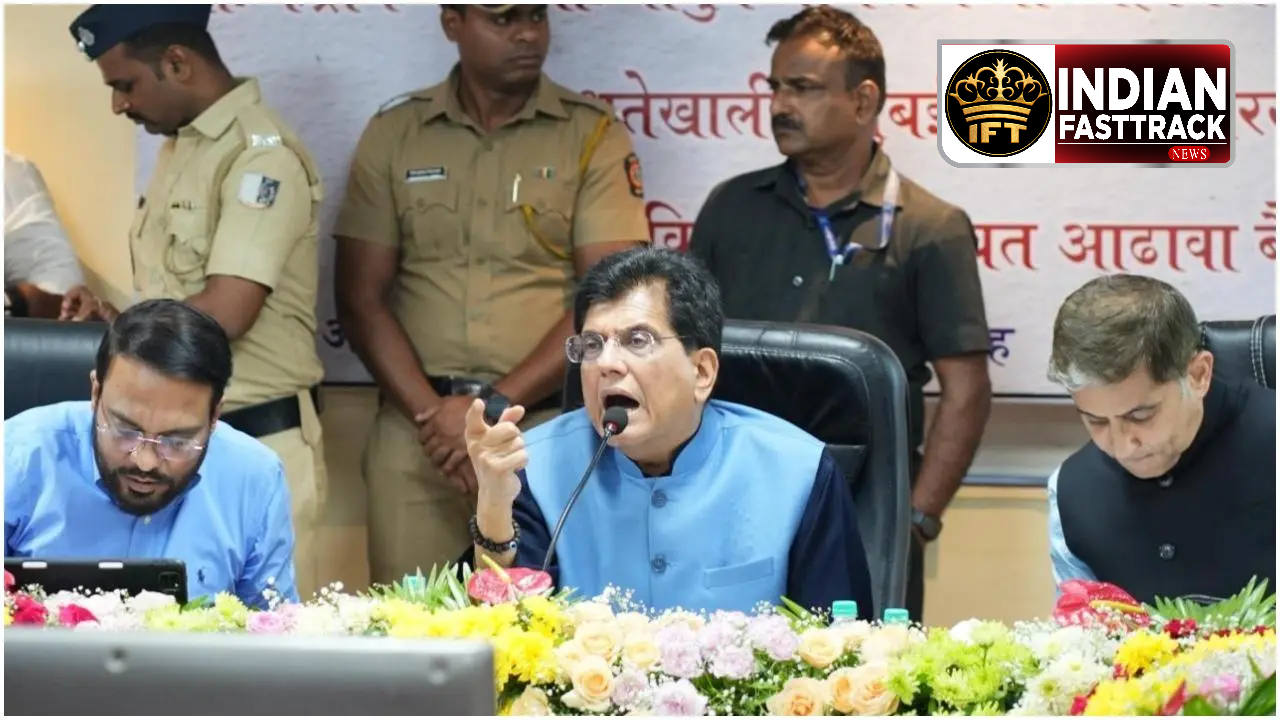
    केंद्रीय मंत्री पीयुष गोयल ने कहा कि भगवती अस्पताल को आम लोगों की सेवा के लिए बृहन्मुंबई महानगर पालिका (BMC) या धर्मार्थ आधार पर चलाया जाएगा।

    मुंबई- केंद्रीय मंत्री पीयूष गोयल ने शनिवार को कहा कि आयुष्मान भारत योजना के तहत मुंबई के बोरीवली इलाके में पुन: र्निर्मित भगवती अस्पताल में मरीजों को सस्ती चिकित्सा सेवा मिलेगी। उन्होंने कहा कि भगवती अस्पताल को आम लोगों की सेवा के लिए बृहन्मुंबई महानगर पालिका (BMC) या धर्मार्थ आधार पर चलाया जाएगा। उत्तर मुंबई निर्वाचन क्षेत्र के सांसद पीयूष गोयल ने शनिवार को बोरीवली के स्थानीय मनपा कार्यालय में क्षेत्र में बुनियादी ढांचे से संबंधित कार्यों की समीक्षा बैठक की। बैठक के दौरान बृहन्मुंबई महानगर पालिका कमिश्नर भूषण गगरानी और वरिष्ठ अधिकारी भी मौजूद थे। (Mumbai Bhagwati Hospital will provide cheap treatment under Ayushman Bharat scheme)

    सस्ती चिकित्सा का लाभ

    गोयल ने कहा, “भगवती अस्पताल को बिना लाभ और बिना नुकसान के आधार पर चलाया जाएगा और यह सुनिश्चित करेगा कि आम लोगों को आयुष्मान भारत योजना के तहत सस्ती चिकित्सा मिले।” बृहन्मुंबई महानगर पालिका ने 500 करोड़ रुपये की लागत से इस अस्पताल का रि डेवलपमेंट कार्य पूरा किया है। बीएमसी के प्रस्ताव के अनुसार, 148 बिस्तरों का उपयोग बीएमसी चिकित्सा उपचार दरों के अनुसार किया जाएगा, जबकि शेष 480 बिस्तरों का उपयोग निजी बिस्तरों के रूप में किया जाएगा। (Mumbai Bhagwati Hospital will provide cheap treatment under Ayushman Bharat scheme)

    राजनीतिक दलों का विरोध

    बीएमसी ने पुनर्विकसित नागरिक संचालित भगवती अस्पताल को सार्वजनिक और निजी भागीदारी के तहत चलाने के लिए निविदाएं आमंत्रित की हैं और इस निर्णय का नागरिकों और राजनीतिक दलों ने विरोध किया जा रहा है। गोयल ने बोरीवली में संजय गांधी राष्ट्रीय उद्यान में एक ट्वॉय ट्रेन शुरू करने का भी उल्लेख किया। उन्होंने कहा, “मैंने प्रधानमंत्री नरेंद्र मोदी से संजय गांधी राष्ट्रीय उद्यान के लिए ट्वॉय ट्रेन के बारे में चर्चा की है। इस ट्वॉय ट्रेन का काम दो साल में पूरा हो जाएगा।” इसके अलावा बैठक के दौरान केंद्रीय मंत्री पियुष गोयल ने मालाड के मालवनी क्षेत्र में मैंग्रोव पर अतिक्रमण को लेकर एक पुलिस चौकी स्थापित करने और क्षेत्र में अतिरिक्त पुलिस बल तैनात करने का सुझाव दिया। (Mumbai Bhagwati Hospital will provide cheap treatment under Ayushman Bharat scheme)

    अमृत भारत योजना

    उन्होंने उत्तरी मुंबई में तालाबों और रेलवे स्टेशनों के पुनरुद्धार का भी उल्लेख किया। बृहन्मुंबई महानगर पालिका के अधिकारी कॉर्पोरेट सामाजिक उत्तरदायित्व (CSR) की मदद से उत्तर मुंबई में लगभग 11 तालाबों को सुंदर बनाने की योजना बनाएंगे। पीयूष गोयल ने कहा, “दहिसर, बोरीवली, मालाड और कांदिवली रेलवे स्टेशनों को अमृत भारत योजना में शामिल किया गया है।” उन्होंने कहा कि उन्होंने केंद्रीय रेल मंत्री अश्विनी वैष्णव के साथ चर्चा की है और जनप्रतिनिधियों के परामर्श से जल्द ही स्टेशन विकास योजना तैयार किया जाएगा। (Mumbai Bhagwati Hospital will provide cheap treatment under Ayushman Bharat scheme)

  • Worldwide Insurance Companies along with detailed information

    Worldwide Insurance Companies along with detailed information

    Gathering a complete list of all insurance companies worldwide, along with detailed information about each, is a vast and complex task. The number of insurance companies globally is in the thousands, varying across regions and industries (life, health, property, casualty, etc.). Additionally, companies frequently merge, change names, or cease operations, which makes maintaining an up-to-date list challenging.

    However, I can provide an overview of some major insurance companies globally, along with insights into the ones known for offering competitive returns to their customers. This summary will highlight leading companies based on size, reputation, and performance.

    Major Global Insurance Companies

    1. Allianz (Germany)
    • One of the world’s largest financial services companies, offering a range of insurance and asset management products.
    1. AXA (France)
    • A multinational insurance firm providing life, health, and property insurance, along with investment management services.
    1. Prudential (United Kingdom)
    • Known for life insurance and financial services, Prudential operates globally with a significant presence in Asia and the US.
    1. Berkshire Hathaway (USA)
    • Owned by Warren Buffett, this conglomerate includes several major insurance companies like GEICO and Berkshire Hathaway Reinsurance.
    1. Ping An Insurance (China)
    • One of the largest insurers in China, covering life, health, and property insurance, along with banking and financial services.
    1. MetLife (USA)
    • A leading global provider of insurance, annuities, and employee benefit programs.
    1. Zurich Insurance Group (Switzerland)
    • Offers a wide range of insurance products and services, with a strong presence in both life and general insurance sectors.
    1. China Life Insurance (China)
    • A key player in China’s insurance market, offering life insurance and annuity products.
    1. Munich Re (Germany)
    • Specializes in reinsurance, primary insurance, and investment management.
    1. UnitedHealth Group (USA)
      • Primarily known for health insurance and health services, UnitedHealth Group operates a large health benefits platform.

    Companies Offering Competitive Returns to Customers

    Determining which insurance companies provide the best returns depends on the type of product and the region. However, some insurers are known for providing particularly strong returns on certain products like annuities or investment-linked policies:

    • Northwestern Mutual (USA) is often cited for its strong dividends on whole life insurance policies.
    • New York Life (USA) also offers competitive dividend payments on its participating life insurance policies.
    • AXA and Allianz provide a range of investment-linked insurance products with varying returns based on market performance.

    For a more precise and up-to-date list of insurance companies and their offerings, I recommend consulting industry reports, regulatory bodies, or market research firms specializing in the insurance sector. Additionally, evaluating which companies provide the best returns can depend on individual circumstances, market conditions, and specific product choices.

    To further elaborate on the assessment of insurance companies and their offerings, here’s a more detailed approach to understanding their performance and how they may benefit customers:

    Key Factors in Evaluating Insurance Companies

    1. Financial Strength and Stability:
    • This is a critical factor, as it indicates an insurance company’s ability to pay claims and meet its financial obligations. Rating agencies like A.M. Best, Moody’s, and Standard & Poor’s provide ratings that reflect the financial strength of insurers. High ratings suggest a lower risk of financial distress.
    1. Customer Satisfaction and Service:
    • Customer satisfaction surveys and reviews can provide insights into an insurer’s service quality. Key aspects include the ease of filing claims, customer service responsiveness, and the clarity of policy information.
    1. Product Offerings:
    • The variety and flexibility of products are important. Companies that offer a wide range of customizable options for life, health, property, and casualty insurance are often better able to meet diverse customer needs.
    1. Cost and Value:
    • The cost of premiums relative to the coverage provided is a crucial consideration. However, the cheapest option isn’t always the best. Evaluating the value for money, which includes the scope of coverage, exclusions, and additional benefits, is essential.
    1. Claims Processing Efficiency:
    • The speed and fairness of claims processing can significantly impact customer experience. Insurers with efficient claims processing systems are often preferred by customers.
    1. Investment Performance (for investment-linked policies):
    • For products like annuities or investment-linked insurance, the performance of the underlying investments is a key consideration. Companies with strong asset management capabilities may offer better returns.

    Notable Insurance Companies and Their Key Offerings

    1. Allianz:
    • Known for its strong global presence, Allianz offers a range of products including life, health, property, and casualty insurance. It also provides asset management services. Allianz’s investment products are particularly well-regarded for their management and performance.
    1. AXA:
    • AXA provides comprehensive insurance products across multiple markets. They offer innovative solutions like investment-linked insurance policies and have a strong focus on sustainability in their investment strategies.
    1. Prudential:
    • Specializes in life insurance and retirement products, with a significant market share in Asia and the UK. Prudential offers competitive annuities and life insurance policies that often include attractive benefits and options for customization.
    1. Berkshire Hathaway:
    • While known primarily for its reinsurance operations, Berkshire Hathaway’s subsidiaries like GEICO provide strong offerings in auto insurance with competitive rates and high customer satisfaction.
    1. Ping An Insurance:
    • A major player in China’s insurance market, Ping An offers a wide range of insurance products, along with banking and investment services. The company is noted for its technology-driven approach to insurance and customer service.
    1. MetLife:
    • Offers a broad range of insurance products, including life, dental, and disability insurance. MetLife is also known for its group insurance plans, which are popular with employers.
    1. Zurich Insurance Group:
    • Zurich offers general insurance and life insurance products, with a strong focus on risk management and sustainability. They are particularly strong in commercial insurance offerings.
    1. China Life Insurance:
    • As one of the largest life insurers in China, China Life offers a wide range of life and health insurance products. The company has a significant market share and is backed by strong financial stability.
    1. Munich Re:
    • A leading reinsurance company, Munich Re also offers primary insurance through its ERGO Group subsidiary. The company is known for its expertise in risk management and underwriting.
    1. UnitedHealth Group:
      • Primarily focused on health insurance, UnitedHealth Group is a major player in the US market. Their offerings include a wide range of health plans, from individual to group policies, and they are known for innovative health management services.

    Conclusion

    Choosing the right insurance company and policy depends on individual needs and circumstances. Factors like the type of coverage, budget, customer service, and company reputation play crucial roles in making a decision. It is recommended to compare policies from multiple insurers, consider consulting with an insurance broker or financial advisor, and thoroughly review policy details before committing.

    For the most current and detailed information, you may need to refer to specific insurance company websites, financial analysts, or regulatory filings. This will ensure you have the latest data on financial strength, product offerings, and customer satisfaction.

    Continuing with the evaluation and selection process for insurance companies, here are additional considerations and steps to help you make an informed decision:

    Additional Considerations

    1. Regulatory Environment:
    • Understanding the regulatory framework in your region is crucial. Insurance companies are regulated by governmental bodies that ensure they meet certain financial and operational standards. Knowing the regulatory environment helps in assessing the security and reliability of an insurance provider.
    1. Specialization and Niche Offerings:
    • Some insurance companies specialize in specific areas, such as marine insurance, travel insurance, or technology insurance. If your needs are unique or specific, it might be beneficial to choose a company that specializes in those areas.
    1. Digital and Technological Capabilities:
    • In today’s digital age, the technological capabilities of an insurance company can significantly impact customer experience. Companies offering online policy management, digital claims processing, and mobile app access provide greater convenience and faster service.
    1. Sustainability and Corporate Responsibility:
    • Increasingly, customers are considering the corporate social responsibility (CSR) practices of insurance companies. Firms that invest in sustainable practices and contribute positively to society may be preferred by those who value ethical business practices.
    1. Global Presence and Local Expertise:
    • Companies with a global presence often bring a wealth of expertise and resources. However, local expertise is equally important, especially when it comes to understanding local laws, regulations, and market conditions. Look for insurers that combine global resources with strong local knowledge.

    Steps to Evaluate and Select an Insurance Company

    1. Identify Your Needs:
    • Determine what types of insurance you need (e.g., life, health, auto, property). Consider factors like coverage limits, deductibles, and any additional features that are important to you.
    1. Research and Compare:
    • Use comparison tools and resources to compare insurance products and companies. Look for reviews, ratings, and detailed product descriptions. Websites like Consumer Reports, J.D. Power, and financial rating agencies can provide valuable insights.
    1. Consult Professionals:
    • Consider speaking with an insurance broker or financial advisor. They can provide personalized advice and help you navigate complex insurance products.
    1. Review the Fine Print:
    • Carefully read the policy documents, including terms and conditions, exclusions, and limitations. Make sure you understand what is covered and what is not.
    1. Check for Discounts and Benefits:
    • Many insurance companies offer discounts for bundling multiple policies, maintaining a good driving record, or installing safety devices in your home. Inquire about any potential discounts you may be eligible for.
    1. Assess Customer Service:
    • Customer service is a critical factor, especially in times of need. Consider how easy it is to reach customer support, the availability of 24/7 assistance, and the responsiveness of the company.
    1. Monitor and Review:
    • After purchasing a policy, periodically review your coverage and make adjustments as needed. Life changes, such as marriage, having children, or purchasing a home, can impact your insurance needs.

    Conclusion

    Selecting the right insurance company and policies requires careful consideration of multiple factors. While it’s essential to find competitive pricing, the quality of coverage, customer service, and financial stability of the insurer are equally important. Doing thorough research and consulting with professionals can help ensure that you choose a company that meets your needs and provides reliable service.

    For a detailed and up-to-date list of insurance companies, along with specific product information, it is advisable to consult dedicated insurance directories, market research reports, and regulatory body publications. These resources can offer comprehensive insights and the latest data to aid in your decision-making process.

    To further guide you through the selection and understanding of insurance companies and their offerings, here are additional tips and strategies:

    Understanding Insurance Types and Policies

    1. Life Insurance:
    • Term Life Insurance: Provides coverage for a specific period (e.g., 10, 20, 30 years). It’s generally less expensive than permanent life insurance and is ideal for covering temporary needs like paying off a mortgage or funding a child’s education.
    • Whole Life Insurance: Offers lifelong coverage and includes a cash value component that grows over time. Premiums are typically higher than term life but remain level throughout the policyholder’s life.
    • Universal Life Insurance: A type of permanent life insurance with flexible premiums and adjustable death benefits. It also accumulates cash value that can be invested in various accounts.
    • Variable Life Insurance: Combines death protection with investment options. The cash value can fluctuate based on the performance of the investments chosen by the policyholder.
    1. Health Insurance:
    • Individual Health Insurance: Purchased by individuals to cover medical expenses. Plans can vary significantly in terms of coverage, including preventive care, emergency services, and prescription drugs.
    • Group Health Insurance: Typically provided by employers to their employees. It often offers more favorable terms and lower costs due to the pooling of risk.
    • Critical Illness Insurance: Provides a lump sum payment if diagnosed with a covered critical illness, such as cancer or heart disease. This is meant to help cover the costs associated with serious illnesses.
    1. Property and Casualty Insurance:
    • Homeowners Insurance: Covers damage to your home and personal belongings due to events like fire, theft, or natural disasters. It also includes liability coverage for accidents that occur on your property.
    • Auto Insurance: Covers vehicles against damages from accidents, theft, or natural disasters. Policies typically include liability, collision, and comprehensive coverage.
    • Renters Insurance: Protects personal belongings within a rented property and provides liability coverage. It’s an affordable way to protect against theft, damage, or liability claims.
    1. Specialty Insurance:
    • Travel Insurance: Covers unexpected events while traveling, such as trip cancellations, medical emergencies, or lost luggage.
    • Pet Insurance: Helps cover the cost of veterinary care for pets. Policies can include coverage for accidents, illnesses, and preventive care.
    • Business Insurance: Provides coverage for businesses, including property, liability, and workers’ compensation insurance.

    Evaluating the Claims Process

    A key aspect of choosing an insurance provider is understanding their claims process. A smooth and efficient claims process can greatly reduce stress in times of need. Consider the following:

    1. Ease of Filing Claims:
    • Determine how easy it is to file a claim. Many companies now offer online claim filing, which can expedite the process. Some insurers also have mobile apps that allow you to file claims and track their status.
    1. Claims Support:
    • Look into the availability of customer support during the claims process. A dedicated claims adjuster or support team can provide valuable assistance and guidance.
    1. Claims Payout Speed:
    • Research the average time taken by the insurer to settle claims. This can vary widely among companies and is an important factor, especially for critical needs like health or auto insurance.
    1. Transparency and Communication:
    • Choose an insurer that is transparent about the claims process and communicates clearly about what is covered and what is not. They should provide detailed explanations and updates throughout the claims process.

    Maximizing Insurance Value

    1. Bundling Policies:
    • Many insurers offer discounts if you purchase multiple types of insurance from them (e.g., auto and home insurance). Bundling can provide convenience and cost savings.
    1. Reviewing Coverage Regularly:
    • As your life circumstances change, so do your insurance needs. Regularly reviewing your policies ensures that you are adequately covered and not paying for unnecessary coverage.
    1. Utilizing Online Tools and Resources:
    • Many insurance companies offer online calculators and resources to help you determine the right amount of coverage. These tools can provide valuable insights into what you need based on your specific situation.
    1. Exploring Discounts:
    • In addition to bundling, insurance companies may offer discounts for various reasons, such as having a good driving record, installing home security systems, or being a member of certain organizations.

    Final Thoughts

    Choosing the right insurance company and policy requires careful consideration of your needs, the company’s offerings, and the overall value provided. While cost is an important factor, it should not be the sole consideration. The quality of coverage, financial stability of the insurer, customer service, and the claims process are equally important.

    For a comprehensive and up-to-date evaluation, consulting insurance comparison websites, financial advisors, and reading customer reviews can provide additional insights. Remember, insurance is a critical component of financial planning and risk management, so taking the time to make an informed decision is essential.

    Let’s continue with more details on insurance-related considerations and some tips for making the most out of your insurance policies:

    Understanding Policy Terms and Conditions

    1. Policy Exclusions:
    • Every insurance policy has exclusions—specific situations or circumstances that are not covered. It’s crucial to thoroughly read and understand these exclusions to avoid surprises when filing a claim. Common exclusions might include specific types of natural disasters, acts of war, or pre-existing medical conditions.
    1. Policy Limits:
    • These are the maximum amounts an insurer will pay under a policy for a covered loss. It’s important to ensure that the policy limits are sufficient to cover potential losses. For example, in home insurance, the dwelling coverage limit should ideally reflect the cost of rebuilding your home at current prices.
    1. Deductibles:
    • A deductible is the amount you must pay out of pocket before your insurance coverage kicks in. Higher deductibles usually result in lower premiums but mean more out-of-pocket expenses in the event of a claim. It’s important to choose a deductible that balances your ability to pay out-of-pocket with the desire to keep premiums low.
    1. Premiums:
    • The premium is the amount you pay for insurance coverage. Premiums can be paid annually, semi-annually, or monthly, depending on the policy. Factors that affect premiums include the type of coverage, the amount of coverage, your age, health, location, and claims history.
    1. Riders and Endorsements:
    • These are additions to your policy that provide extra coverage or modify the standard coverage. For instance, a jewelry rider can be added to a homeowners policy to cover expensive jewelry beyond the standard limits. Understanding and choosing the right riders can ensure that you have comprehensive coverage.

    Tips for Managing Insurance Costs

    1. Shop Around:
    • Don’t settle for the first quote you receive. Shopping around and comparing quotes from multiple insurers can help you find the best coverage at the best price. Online comparison tools can be very useful in this process.
    1. Consider a Higher Deductible:
    • As mentioned, opting for a higher deductible can lower your premium. However, ensure you can comfortably afford the deductible in case of a claim.
    1. Maintain a Good Credit Score:
    • In many regions, insurers use credit scores as a factor in determining premiums. Maintaining a good credit score can help you secure lower premiums.
    1. Take Advantage of Discounts:
    • Inquire about all available discounts. Common discounts include multi-policy discounts, good driver discounts, no-claims discounts, and discounts for safety features in your home or car.
    1. Review and Adjust Your Coverage:
    • Periodically review your insurance coverage to ensure it still meets your needs. Life events like marriage, having children, buying a new home, or starting a business can all necessitate changes in your insurance coverage.
    1. Pay Annually if Possible:
    • Paying your premium annually rather than monthly can sometimes save money, as some insurers charge a convenience fee for monthly payments.

    The Role of Insurance Brokers and Agents

    Insurance brokers and agents can play a vital role in helping you understand and choose the right insurance coverage:

    1. Insurance Agents:
    • Agents typically represent one or more insurance companies. They can help you understand the products offered by those companies and assist in selecting a policy that suits your needs.
    1. Insurance Brokers:
    • Brokers represent the customer rather than any particular insurance company. They can offer a wider range of options from various insurers and help you compare different policies. Brokers can also assist in negotiating better terms and prices.
    1. Advisory Services:
    • Both agents and brokers can provide valuable advice on the amount and type of insurance coverage you need. They can explain complex terms and conditions and help you understand the implications of different policy choices.
    1. Claims Assistance:
    • Many agents and brokers also offer assistance with filing claims. They can help ensure that the claims process goes smoothly and that you receive the benefits to which you are entitled.

    Staying Informed and Educated

    1. Stay Updated on Industry Changes:
    • The insurance industry is subject to regulatory changes, market trends, and new product developments. Staying informed about these changes can help you make better decisions about your insurance coverage.
    1. Use Reliable Resources:
    • Leverage resources like the National Association of Insurance Commissioners (NAIC), Insurance Information Institute (III), and consumer protection agencies for reliable information and guidance.
    1. Attend Workshops and Seminars:
    • Many organizations offer workshops and seminars on insurance and financial planning. These can provide valuable insights and updates on best practices in managing your insurance needs.
    1. Continuing Education:
    • For those particularly interested in deepening their understanding, continuing education courses in insurance and financial planning can provide in-depth knowledge and skills.

    Conclusion

    Insurance is a critical component of financial planning and risk management. By understanding the different types of insurance, evaluating your needs, shopping around for the best coverage, and periodically reviewing your policies, you can ensure that you are well-protected against unexpected events. Whether working with an agent, broker, or independently, staying informed and making thoughtful decisions can help you secure the best possible insurance solutions for your unique situation.

    Key Considerations for Specific Types of Insurance

    As you delve deeper into specific types of insurance, there are unique factors and considerations for each category:

    1. Life Insurance

    Considerations:

    • Purpose of Coverage: Determine the primary reason for purchasing life insurance. Common reasons include income replacement, paying off debts, covering funeral expenses, or providing for dependents.
    • Term vs. Permanent: Decide between term life insurance, which offers coverage for a specific period, and permanent life insurance, which covers your entire life and often includes a cash value component.
    • Beneficiaries: Clearly specify your beneficiaries and update them as needed, especially after major life events such as marriage, divorce, or the birth of a child.
    • Riders: Consider adding riders for additional coverage, such as critical illness, accidental death, or waiver of premium.

    2. Health Insurance

    Considerations:

    • Network Coverage: Ensure that your preferred healthcare providers and hospitals are within the insurance plan’s network to avoid higher out-of-pocket costs.
    • Out-of-Pocket Maximums: Understand the limits on your total out-of-pocket expenses, which can help you budget for potential healthcare costs.
    • Coverage for Prescription Drugs: Verify that the insurance plan covers your medications, especially if you require regular prescriptions.
    • Preventive Care: Many plans offer free preventive care services, such as vaccinations and screenings, which can help you maintain good health and prevent more serious conditions.

    3. Property and Casualty Insurance

    Considerations:

    • Replacement Cost vs. Actual Cash Value: Determine whether the policy covers the replacement cost (the cost to replace an item without depreciation) or actual cash value (replacement cost minus depreciation) of your property.
    • Liability Coverage: Assess whether your policy provides adequate liability coverage in case someone is injured on your property or you are found legally responsible for damages.
    • Natural Disasters: Check whether your policy covers natural disasters common in your area, such as floods, earthquakes, or hurricanes. Special coverage may be required.
    • Home Inventory: Maintain an up-to-date inventory of your belongings, including photos and receipts, to help with claims in the event of theft or damage.

    4. Auto Insurance

    Considerations:

    • Liability Limits: Ensure that your policy’s liability limits are sufficient to cover potential damages and legal costs in the event of an accident.
    • Collision and Comprehensive Coverage: Evaluate whether you need collision coverage (for damage to your car from an accident) and comprehensive coverage (for non-collision-related incidents like theft or vandalism).
    • Uninsured/Underinsured Motorist Coverage: This coverage protects you if you’re involved in an accident with a driver who has insufficient or no insurance.
    • Discounts: Ask about discounts for safe driving, completing defensive driving courses, having anti-theft devices, or maintaining a clean driving record.

    Strategic Insurance Planning

    1. Gap Analysis:
    • Conduct a gap analysis to identify any potential areas where you may be underinsured or overinsured. This involves comparing your current coverage with your needs and risk profile.
    1. Coordination of Benefits:
    • If you have multiple insurance policies, such as health insurance through your employer and a separate health policy, ensure they are coordinated to maximize benefits and minimize out-of-pocket costs.
    1. Estate Planning and Life Insurance:
    • Integrate life insurance into your estate planning strategy. Life insurance can provide liquidity to pay estate taxes or other expenses, ensuring your estate can be passed on to your heirs without significant financial burden.
    1. Reviewing Policy Riders and Endorsements:
    • Regularly review any riders or endorsements attached to your policies to ensure they still align with your needs. For instance, a child term rider on a life insurance policy may no longer be necessary as your children become financially independent.
    1. Emergency Funds and Insurance:
    • Maintain an emergency fund in addition to insurance coverage. While insurance helps cover significant losses, an emergency fund can provide immediate access to cash for smaller, unexpected expenses or for situations where insurance claims are being processed.
    1. Annual Reviews:
    • Conduct annual reviews of all your insurance policies, ideally with a professional, to ensure that your coverage remains adequate and cost-effective. Changes in your personal or financial situation, such as a new job, new home, or changes in your health, can all necessitate adjustments in your insurance coverage.

    Conclusion and Final Advice

    Insurance plays a critical role in financial security and planning, helping to mitigate risks and protect against significant financial losses. The key to effective insurance planning is understanding your needs, carefully selecting the right products and providers, and regularly reviewing and adjusting your coverage as circumstances change.

    For those unfamiliar with insurance products or overwhelmed by the choices, working with a trusted insurance advisor or broker can provide valuable guidance. These professionals can help you navigate the complexities of different policies, understand the fine print, and find the best coverage for your needs.

    Ultimately, the goal is to achieve peace of mind, knowing that you and your loved ones are protected against life’s uncertainties. By being proactive, staying informed, and seeking professional advice when needed, you can make well-informed decisions that safeguard your financial future.