Explore personal finance tips, money management advice and financial insights to help you make smarter decisions. Get updates on savings, investments, banking, loans, insurance, taxes, credit cards, budgeting and wealth creation strategies on Indian FastTrack.
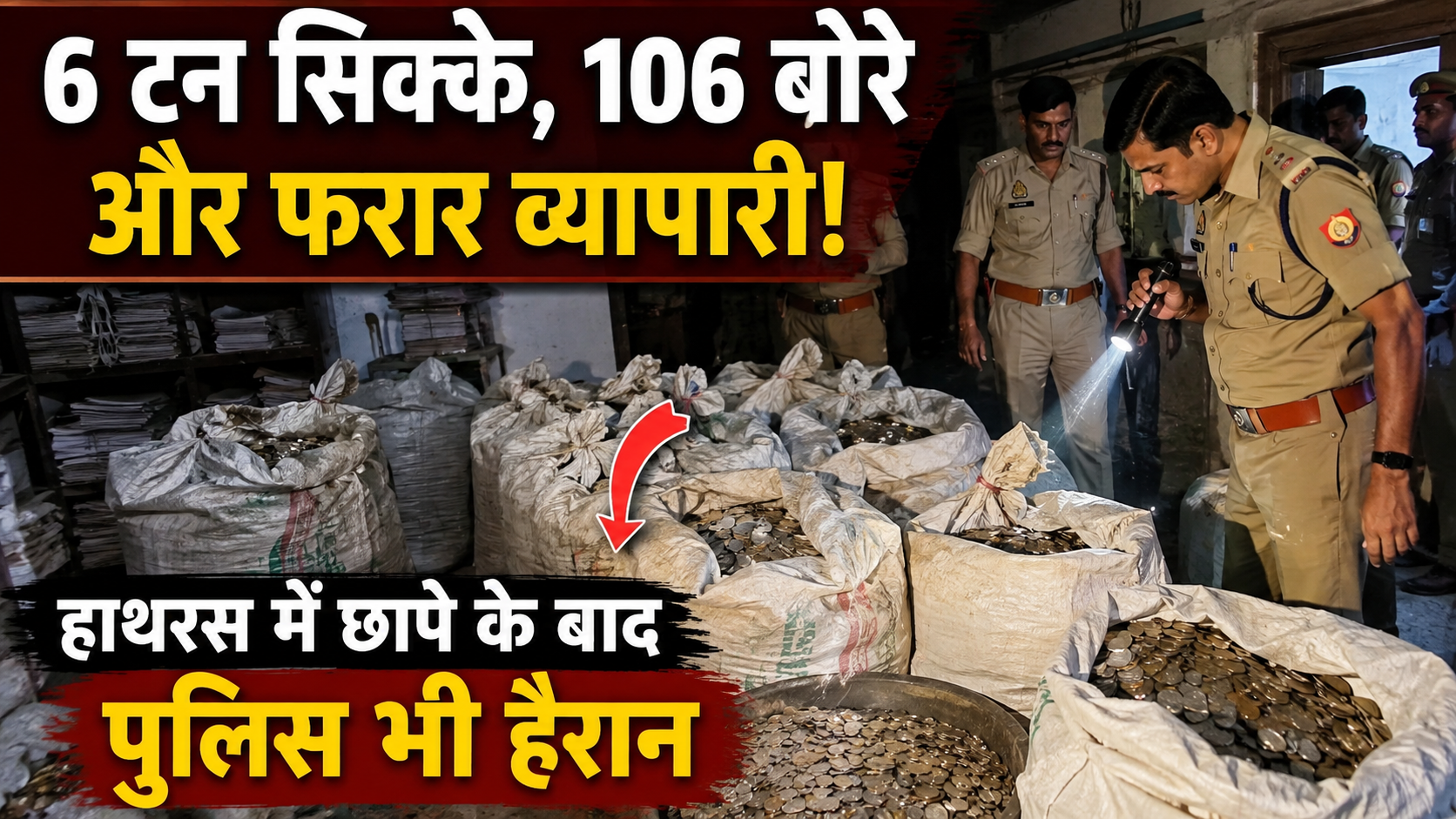
उत्तर प्रदेश के हाथरस में एक व्यापारी के घर और दुकान से 106 बोरों में भरे 5,666 किलो सिक्के बरामद हुए। व्यापारी फरार है, पुलिस ने स्पेशल टीम गठित कर जांच शुरू कर दी है।
हाथरस (उत्तर प्रदेश): आमतौर पर पुलिस छापों में नकदी, सोना, हथियार या नशीले पदार्थ बरामद होने की खबरें सामने आती हैं, लेकिन उत्तर प्रदेश के हाथरस में हुई एक कार्रवाई ने अधिकारियों को भी हैरान कर दिया। यहां एक स्टेशनरी व्यापारी के घर और दुकान से 106 बोरों में भरे 5,666 किलोग्राम (करीब 6 टन) सिक्के बरामद हुए। छापेमारी शुरू होते ही व्यापारी फरार हो गया। अब पुलिस यह पता लगाने में जुटी है कि आखिर इतने बड़े पैमाने पर सिक्के क्यों जमा किए गए थे और इनके पीछे पूरा खेल क्या था।
सूचना मिली और खुल गया करोड़ों के सिक्कों का रहस्य
प्रशासन को सूचना मिली थी कि नयागंज क्षेत्र में एक स्टेशनरी व्यापारी बड़ी मात्रा में सिक्के जमा कर रहा है। सूचना के आधार पर जिला प्रशासन और पुलिस ने व्यापारी की दुकान तथा हनुमान गली स्थित घर पर संयुक्त छापेमारी की।
शुरुआत में अधिकारियों को लगा कि मौके पर 70 से 80 बोरे मिलेंगे, लेकिन तलाशी बढ़ने पर 106 प्लास्टिक के बोरे बरामद हुए। सभी बोरों में अलग-अलग मूल्यवर्ग के सिक्के भरे हुए थे। सिक्कों की संख्या इतनी अधिक थी कि मौके पर उनकी गिनती करना संभव नहीं था। इसलिए उनका वजन कराया गया, जो 5,666 किलोग्राम निकला।
पुलिस के मुताबिक, कार्रवाई की भनक लगते ही व्यापारी मौके से फरार हो गया। उसके खिलाफ Coinage Act, 2011 के तहत मामला दर्ज कर लिया गया है। पुलिस उसकी तलाश में लगातार दबिश दे रही है।
आखिर 6 टन सिक्कों का क्या होने वाला था?
यही सवाल इस पूरे मामले को रहस्यमय बना रहा है।
जांच एजेंसियां यह पता लगा रही हैं कि—
इतने बड़े पैमाने पर सिक्के कहां से जुटाए गए?
इन्हें किस उद्देश्य से जमा किया गया?
क्या इन्हें दूसरे राज्यों में भेजा जा रहा था?
क्या इसके पीछे कोई संगठित नेटवर्क काम कर रहा था?
इस कारोबार से किसे आर्थिक फायदा पहुंच रहा था?
इन्हीं सवालों के जवाब तलाशने के लिए पुलिस ने स्पेशल जांच टीम का गठन किया है।
छापेमारी के दौरान व्यापारी के एक रिश्तेदार ने अधिकारियों को बताया कि इस कारोबार में कथित तौर पर 3 से 4 प्रतिशत कमीशन पर सिक्कों का लेन-देन किया जाता था।
उसने दावा किया कि 500 और 1000 रुपये मूल्य के सिक्कों के पैकेट तैयार कर दिल्ली के मेट्रो स्टेशन और रेलवे स्टेशनों तक भेजे जाते थे। हालांकि पुलिस ने स्पष्ट किया है कि इन दावों की जांच की जा रही है और अभी इन्हें अंतिम सत्य नहीं माना गया है।
क्या इतने सिक्के रखना गैरकानूनी है?
पुलिस के अनुसार Coinage Act, 2011 के तहत सिक्कों का दुरुपयोग, उन्हें कानूनी मुद्रा के अलावा अन्य उद्देश्यों में इस्तेमाल करना या कानून के विपरीत परिस्थितियों में उनका संग्रह अपराध की श्रेणी में आ सकता है।
इसी आधार पर पुलिस ने व्यापारी के खिलाफ मामला दर्ज किया है। जांच पूरी होने के बाद ही यह स्पष्ट होगा कि इस मामले में कौन-कौन से कानूनी प्रावधान लागू होते हैं।
एक नजर में पूरा मामला
स्थान: नयागंज और हनुमान गली, हाथरस (उत्तर प्रदेश)
बरामदगी: 106 प्लास्टिक के बोरे
कुल वजन: 5,666 किलोग्राम (करीब 6 टन)
आरोपी: स्टेशनरी व्यापारी, फिलहाल फरार
कार्रवाई: Coinage Act, 2011 के तहत FIR
जांच: स्पेशल पुलिस टीम गठित
पुलिस किन पहलुओं की जांच कर रही है?
इस मामले में पुलिस सिर्फ बरामद सिक्कों की गिनती तक सीमित नहीं है। जांच एजेंसियां पूरे नेटवर्क की पड़ताल कर रही हैं।
सिक्कों का स्रोत क्या था?
क्या बैंकों से बड़ी मात्रा में सिक्के निकाले गए थे?
इस कार्रवाई के बाद लोगों के बीच कई सवाल चर्चा का विषय बन गए हैं। क्या बड़ी मात्रा में सिक्के रखना अपराध है? क्या कोई व्यापारी वैध तरीके से इतने सिक्के इकट्ठा कर सकता है? क्या यह मामला केवल अवैध कारोबार से जुड़ा है या इसके पीछे कोई बड़ा नेटवर्क है?
इन सभी सवालों के जवाब पुलिस जांच पूरी होने के बाद ही स्पष्ट होंगे।
आगे क्या?
फिलहाल पुलिस का पूरा फोकस फरार व्यापारी की गिरफ्तारी पर है। अधिकारियों का मानना है कि पूछताछ के बाद सिक्कों की सप्लाई चेन, उनके स्रोत और पूरे नेटवर्क से जुड़े कई अहम तथ्य सामने आ सकते हैं। जांच पूरी होने तक इस मामले के कई पहलू रहस्य बने हुए हैं।
Vehicle Insurance 2026 में Third-Party, Comprehensive Policy और Claim Rejection के नियम समझें। Claim अटकने पर Bima Bharosa से शिकायत कैसे करें, जानें।
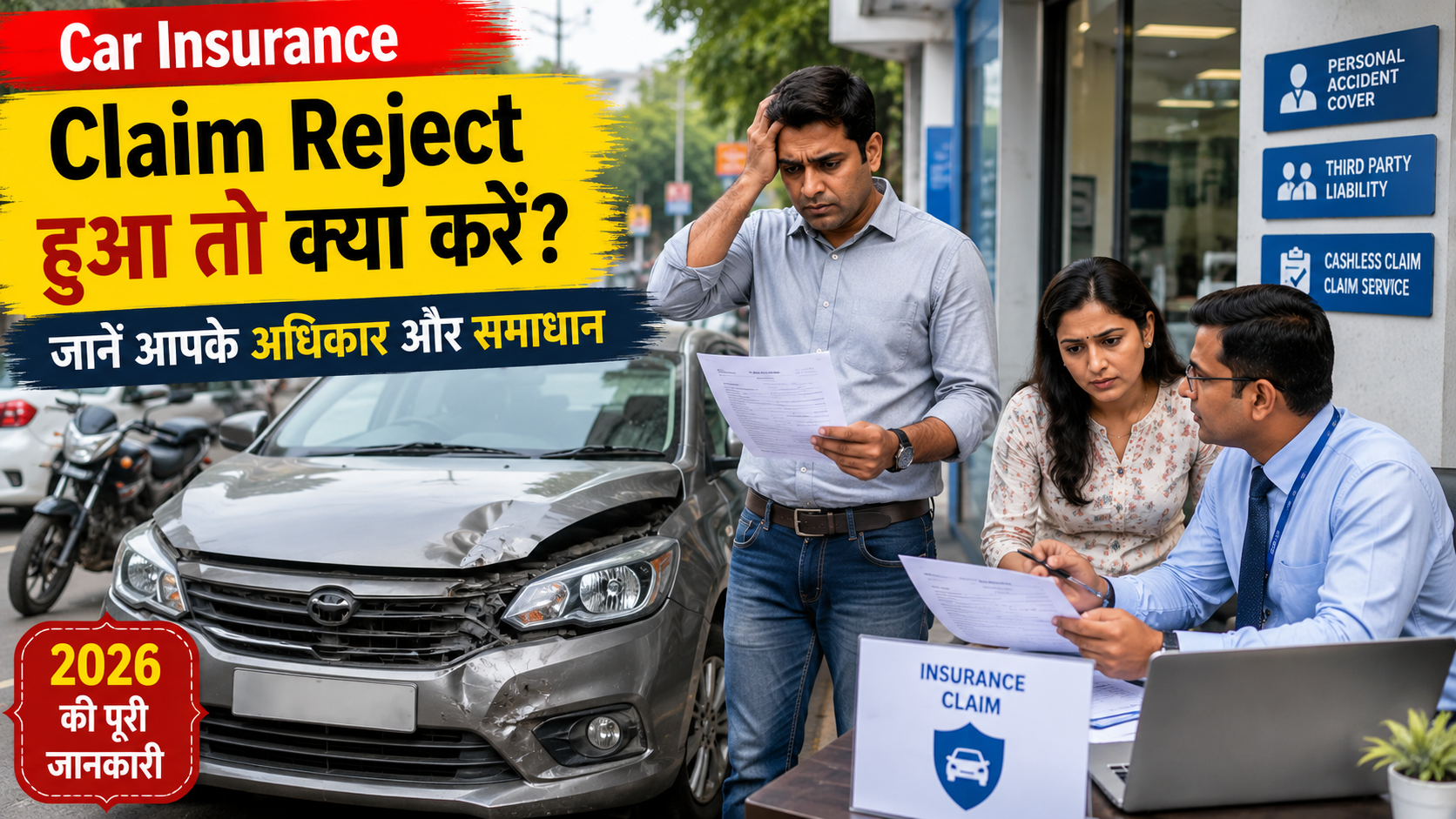
Vehicle Insurance 2026: अगर accident के बाद insurance claim reject हो जाए या insurer claim settlement में देरी करे, तो policyholder के पास शिकायत और grievance redressal के रास्ते मौजूद हैं। Vehicle insurance खरीदते समय Third-Party और Own Damage cover का अंतर समझना जितना जरूरी है, उतना ही जरूरी policy terms, exclusions, documents और claim process को जानना भी है।
भारत में motor vehicle owners के लिए insurance सिर्फ एक financial product नहीं, बल्कि सड़क पर वाहन चलाने से जुड़ी महत्वपूर्ण legal और financial protection है। लेकिन ज्यादातर लोग policy खरीदते समय सिर्फ premium देखते हैं और policy की actual coverage, exclusions, deductible और claim conditions को नजरअंदाज कर देते हैं।
मुश्किल तब शुरू होती है जब accident के बाद claim किया जाता है और insurer coverage, documents या policy conditions के आधार पर सवाल उठाता है।
2026 में vehicle insurance policyholders के लिए सबसे जरूरी बात यही है कि policy खरीदते समय coverage समझें और claim dispute होने पर अपने grievance redressal rights का इस्तेमाल करें।
Vehicle Insurance 2026 में सबसे जरूरी अपडेट क्या है?
भारत में motor insurance से जुड़ा regulatory framework IRDAI के regulations के तहत चलता है। Department of Financial Services की official listing में IRDAI (Rural, Social Sector and Motor Third Party Obligations) Regulations, 2024 और Protection of Policyholders’ Interests Regulations, 2024 शामिल हैं। Department of Financial Services की listing जुलाई 2026 में updated है।
इसका मतलब यह है कि Vehicle Insurance policyholder को सिर्फ policy खरीदने के बाद insurer के निर्णय को blindly accept करने की जरूरत नहीं है। Policy terms के अनुसार claim का assessment होगा, लेकिन अगर policyholder को लगता है कि complaint का सही समाधान नहीं हुआ, तो निर्धारित grievance mechanism का इस्तेमाल किया जा सकता है।
Third-Party Insurance और Comprehensive Policy में क्या अंतर है?
Vehicle Insurance लेते समय सबसे पहले यह समझना जरूरी है कि Third-Party Insurance और Comprehensive Insurance एक जैसे नहीं होते।
Third-Party Insurance
Third-Party policy का मुख्य उद्देश्य insured vehicle से किसी third party को होने वाली liability से संबंधित coverage देना है।
उदाहरण के तौर पर, अगर किसी vehicle से किसी अन्य व्यक्ति या उसकी संपत्ति को नुकसान पहुंचता है, तो policy terms और applicable legal provisions के अनुसार third-party liability का मामला सामने आ सकता है।
Comprehensive या Package Policy
Comprehensive या Package Policy में Third-Party Liability के साथ policy terms के अनुसार अपने vehicle के नुकसान का Own Damage cover भी शामिल हो सकता है।
यह coverage accident, theft, fire या अन्य covered risks से जुड़ी हो सकती है। हालांकि, हर policy में coverage और exclusions अलग हो सकते हैं।
इसलिए “Comprehensive” शब्द देखकर ही policy न खरीदें। Policy document में actual coverage जरूर देखें।
सिर्फ Third-Party Insurance होने पर अपनी गाड़ी का नुकसान मिलेगा?
आमतौर पर Third-Party Liability policy का मुख्य उद्देश्य third-party liability को cover करना होता है। अपने vehicle के damage के लिए अलग Own Damage या package coverage की जरूरत हो सकती है।
यही कारण है कि vehicle owner को policy खरीदने से पहले यह स्पष्ट रूप से देखना चाहिए:
Third-Party Liability cover है या नहीं?
Own Damage cover शामिल है या नहीं?
Accident damage किस सीमा तक cover है?
Theft या total loss की स्थिति में policy क्या कहती है?
Deductible कितना है?
कौन-कौन से exclusions लागू हैं?
कई policyholders को claim के समय पहली बार पता चलता है कि जिस नुकसान के लिए वे claim कर रहे हैं, वह उनकी policy coverage में शामिल ही नहीं था।
Vehicle Insurance Claim Reject हो जाए तो सबसे पहले क्या करें?
अगर insurer claim reject करता है, तो policyholder को सिर्फ phone call पर मिली जानकारी पर निर्भर नहीं रहना चाहिए।
सबसे पहले claim rejection का लिखित कारण मांगना चाहिए।
Written communication में ideally यह स्पष्ट होना चाहिए:
Claim क्यों reject किया गया?
Policy की कौन सी condition लागू की गई?
कौन सा document या fact missing है?
कौन सा exclusion claim पर लागू किया गया?
अगर rejection reason policy terms से मेल नहीं खाता या policyholder को लगता है कि decision सही नहीं है, तो insurer की internal grievance redressal process में complaint दर्ज की जा सकती है।
मौखिक बातचीत की बजाय written record रखना ज्यादा उपयोगी होता है।
Accident के बाद Claim के लिए कौन से Documents जरूरी हो सकते हैं?
Claim की exact document requirement accident और policy terms पर निर्भर करती है। आमतौर पर policyholder से इनमें से कुछ documents मांगे जा सकते हैं:
Insurance policy details
Vehicle Registration Certificate यानी RC
Valid Driving Licence
Claim form
Accident की जानकारी
Police report या FIR, जहां आवश्यक हो
Repair estimate
Repair bills
Vehicle की photographs
Theft case में police documents
हर accident में सभी documents जरूरी हों, ऐसा नहीं है।
इसलिए insurer से claim process की exact requirement लिखित रूप में लेना बेहतर है।
Claim Reject होने से बचने के लिए किन बातों का ध्यान रखें?
Claim approval policy terms और incident की परिस्थितियों पर निर्भर करता है। इसलिए policyholder को ये गलतियां नहीं करनी चाहिए:
Policy में गलत जानकारी देना
Vehicle, owner, driver या vehicle usage से जुड़ी महत्वपूर्ण जानकारी गलत देना claim dispute का कारण बन सकता है।
Accident की सूचना में अनावश्यक देरी करना
Accident के बाद insurer को सूचना देने में देरी होने पर claim process प्रभावित हो सकता है। Policy में दिए गए notification requirements को देखना जरूरी है।
Valid Driving Licence के बिना वाहन चलाना
Driver के पास applicable और valid driving licence होना claim assessment में महत्वपूर्ण हो सकता है।
Vehicle का गलत उपयोग
अगर vehicle का उपयोग policy में घोषित उद्देश्य से अलग तरीके से किया गया हो, तो claim पर सवाल उठ सकते हैं।
Accident के बाद बिना documentation के repair कराना
Repair शुरू करने से पहले insurer की claim process requirements समझना जरूरी है। कई मामलों में survey या inspection की आवश्यकता हो सकती है।
2026 में Insurance Claim को लेकर Consumer Rights क्यों महत्वपूर्ण हैं?
20 जुलाई 2026 को आंध्र प्रदेश के Kurnool District Consumer Disputes Redressal Commission ने एक accidental death insurance dispute में insurer को ₹50 लाख का payout करने का आदेश दिया। Commission ने कहा कि policy जारी होने के समय मौजूद terms के बाहर claim के समय नई शर्तें थोपना उचित नहीं है। यह मामला motor insurance का नहीं था, लेकिन consumer protection के दृष्टिकोण से यह policy terms और claim settlement के महत्व को दिखाता है।
इसका सीधा मतलब यह नहीं है कि हर vehicle insurance claim automatically approve होगा।
Motor insurance claim का फैसला हमेशा संबंधित policy terms, exclusions, documents और accident की परिस्थितियों के आधार पर होगा।
लेकिन policyholder को claim rejection का कारण समझने और उपलब्ध grievance mechanism का इस्तेमाल करने का अधिकार है।
Claim अटक जाए तो Insurance Company के खिलाफ शिकायत कैसे करें?
अगर claim या insurance service को लेकर समस्या है, तो पहला कदम संबंधित insurer की grievance redressal process में लिखित complaint दर्ज करना है।
IRDAI के Bima Bharosa FAQ के अनुसार, policyholder को complaint लिखित रूप में supporting documents के साथ देनी चाहिए और complaint की written acknowledgement लेनी चाहिए। IRDAI के अनुसार, insurer को complaint पर निर्धारित समयसीमा में कार्रवाई करनी चाहिए।
अगर policyholder insurer के resolution से संतुष्ट नहीं है या complaint का समाधान निर्धारित समय में नहीं होता, तो Bima Bharosa के माध्यम से complaint को आगे बढ़ाया जा सकता है।
Bima Bharosa में Vehicle Insurance Complaint कैसे दर्ज करें?
IRDAI का Bima Bharosa portal insurance policyholders के लिए grievance registration और tracking की सुविधा देता है।
Complaint दर्ज करते समय policyholder को सामान्यतः ये details तैयार रखनी चाहिए:
Insurance company का नाम
Policy number
Claim number, अगर complaint claim से जुड़ी है
Complaint का पूरा विवरण
Supporting documents
Policy और claim से जुड़े जरूरी records
Bima Bharosa portal पर complaint register होने के बाद token number के जरिए complaint को track किया जा सकता है।
Bima Bharosa Complaint के लिए कोई Payment नहीं देना होता
IRDAI ने policyholders को स्पष्ट चेतावनी दी है कि Bima Bharosa complaint registration या grievance resolution के लिए किसी भी तरह का payment नहीं मांगता।
किसी ऐसे व्यक्ति, message या link से सावधान रहें जो claim release या complaint settlement के नाम पर payment या QR code scan करने को कहे।
Vehicle Insurance Policy खरीदते समय Premium से ज्यादा क्या देखें?
सिर्फ कम premium देखकर Vehicle Insurance खरीदना सही तरीका नहीं है।
Policy compare करते समय इन points को देखें:
Coverage
क्या policy सिर्फ Third-Party Liability cover करती है या Own Damage भी शामिल है?
IDV
IDV यानी Insured Declared Value policy में महत्वपूर्ण factor हो सकती है, खासकर total loss या theft जैसी situations में policy terms के अनुसार।
Deductible
Claim के समय policyholder को खुद कितना amount bear करना पड़ सकता है, यह deductible से जुड़ा होता है।
Exclusions
Policy में कौन से risks cover नहीं हैं, यह section बहुत ध्यान से पढ़ना चाहिए।
Add-ons
Zero Depreciation, Roadside Assistance या अन्य add-ons की जरूरत vehicle और usage के अनुसार अलग हो सकती है।
Claim Process
Insurer को accident की सूचना कैसे देनी है और claim process क्या है, यह पहले से समझना चाहिए।
Vehicle Insurance Renewal में Policyholder सबसे बड़ी गलती क्या करते हैं?
कई vehicle owners renewal के समय सिर्फ premium देखकर policy renew कर देते हैं।
लेकिन renewal से पहले यह check करना जरूरी है:
Policy की expiry date
No Claim Bonus की स्थिति
IDV
Own Damage coverage
Deductible
Add-ons
Policy exclusions
Previous claim history
Policy lapse होने पर vehicle owner को insurance coverage में gap का सामना करना पड़ सकता है। इसलिए policy expiry से पहले renewal की तैयारी करना बेहतर है।
क्या 2026 में Vehicle Insurance Premium सभी के लिए बढ़ने वाला है?
ऐसा कोई एक universal confirmed rule नहीं है जिसके आधार पर यह कहा जाए कि 2026 में सभी vehicle owners का insurance premium निश्चित रूप से बढ़ जाएगा।
Premium कई factors पर निर्भर कर सकता है, जैसे:
Vehicle का type
Vehicle की age
Insured value
Location
Coverage
Claim history
Add-ons
Applicable regulatory pricing
इसलिए “2026 में हर car और bike का insurance premium बढ़ेगा” जैसे blanket claims से बचना चाहिए।
2026 में Car और Bike Owners के लिए सबसे जरूरी Checklist
Vehicle Insurance खरीदने या renew करने से पहले:
पहला: Policy type समझें — Third-Party या Comprehensive/Package।
दूसरा: अपने vehicle का Own Damage cover है या नहीं, यह देखें।
तीसरा: Policy की exclusions पढ़ें।
चौथा: IDV और deductible को compare करें।
पांचवां: Claim notification process समझें।
छठा: Policy documents और claim-related communication सुरक्षित रखें।
सातवां: Claim dispute होने पर पहले insurer की grievance process और जरूरत पड़ने पर Bima Bharosa का इस्तेमाल करें।
2026 में सही Vehicle Insurance कैसे चुनें?
सही policy हर vehicle owner के लिए अलग हो सकती है।
एक नई car के owner, पुरानी car के owner और रोजाना delivery के लिए इस्तेमाल होने वाले commercial vehicle की insurance जरूरत एक जैसी नहीं होती।
इसलिए policy चुनते समय यह सवाल पूछें:
क्या मुझे सिर्फ कानूनी Third-Party cover चाहिए या अपने vehicle की भी financial protection चाहिए?
इसके बाद coverage, IDV, deductible, exclusions और premium को एक साथ compare करें।
सबसे सस्ती policy हमेशा सबसे अच्छी policy नहीं होती।
वहीं, सबसे महंगी policy भी हर व्यक्ति के लिए जरूरी नहीं होती।
सही policy वह है जिसकी coverage आपकी वास्तविक जरूरत और vehicle usage से match करती हो।
Vehicle Insurance 2026 में सबसे जरूरी बात सिर्फ premium नहीं, बल्कि policy की actual coverage और claim process को समझना है।
Third-Party Insurance और Comprehensive Policy में अंतर, Own Damage cover, IDV, deductible और exclusions को समझे बिना policy खरीदना बाद में महंगा पड़ सकता है।
अगर accident के बाद claim reject हो जाता है, तो policyholder को rejection का लिखित कारण मांगना चाहिए और insurer की grievance redressal process का इस्तेमाल करना चाहिए। समाधान न मिलने पर IRDAI के Bima Bharosa platform के जरिए complaint दर्ज की जा सकती है।
2026 में vehicle owners के लिए सबसे सुरक्षित approach यही है:
Policy खरीदते समय terms पढ़ें, accident के बाद documents सुरक्षित रखें और claim dispute होने पर अपने grievance rights का इस्तेमाल करें।
Public roads पर चलने वाले motor vehicles के लिए Third-Party Liability Insurance अनिवार्य है। इसके अलावा vehicle owner अपनी जरूरत के अनुसार Own Damage या Comprehensive coverage ले सकता है।
Third-Party Insurance क्या cover करता है?
Third-Party Insurance मुख्य रूप से insured vehicle से third party को होने वाली liability से जुड़ी coverage देता है। Policy की exact terms और applicable law के अनुसार coverage लागू होती है।
Comprehensive Insurance क्या होता है?
Comprehensive या Package Policy में Third-Party Liability के साथ policy terms के अनुसार अपने vehicle के नुकसान का Own Damage cover भी शामिल हो सकता है।
Vehicle Insurance Claim reject हो जाए तो क्या करें?
सबसे पहले insurer से claim rejection का लिखित कारण मांगें। इसके बाद insurer की grievance redressal process में complaint दर्ज करें। समाधान न मिलने पर IRDAI के Bima Bharosa platform का इस्तेमाल किया जा सकता है।
Bima Bharosa में complaint दर्ज करने के लिए पैसे देने पड़ते हैं?
नहीं। IRDAI के अनुसार Bima Bharosa complaint registration या grievance resolution के लिए policyholder से payment नहीं मांगता। किसी QR code या payment request से सावधान रहें।
क्या सिर्फ Third-Party Insurance से अपनी गाड़ी का damage cover होता है?
आमतौर पर Third-Party Liability cover अपने vehicle के damage के लिए नहीं होता। अपने vehicle के damage के लिए applicable Own Damage या Package coverage की जरूरत हो सकती है।
Life Insurance 2026 में GST और insurance sector में बड़े बदलाव हुए हैं। Policy लेने से पहले claim, nominee और surrender value से जुड़ी 7 बातें जानें।
Life Insurance 2026: भारत में life insurance policy लेने वालों के लिए पिछले कुछ समय में कई महत्वपूर्ण बदलाव हुए हैं। Individual life insurance policies पर GST exemption, insurance sector में 100% FDI की अनुमति और policyholder protection पर बढ़ते focus के बीच policy खरीदने से पहले कुछ जरूरी बातें समझना बेहद महत्वपूर्ण है। Claim conditions, medical information, nominee और surrender value की जानकारी भविष्य में बड़े financial नुकसान से बचा सकती है।
भारत में Life Insurance अब केवल tax saving या investment का साधन नहीं रह गया है। परिवार की financial security के लिए सही life cover चुनना और policy की शर्तों को समझना भी उतना ही जरूरी है।
2026 में insurance sector से जुड़े बदलावों के बाद लोगों के लिए यह जानना जरूरी हो गया है कि policy खरीदते समय किन बातों की जांच करनी चाहिए और claim के समय परेशानी से कैसे बचा जा सकता है।
Individual life insurance policyholders के लिए सबसे बड़ा बदलाव GST से जुड़ा है। Department of Financial Services के अनुसार, 22 सितंबर 2025 से सभी individual life insurance policies पर GST rate 18% से घटाकर 0% कर दिया गया है। हालांकि, group life insurance policies, group term और group credit life policies पर 18% GST लागू रह सकता है।
Insurance sector में भी बड़ा regulatory बदलाव हुआ है। Sabka Bima Sabki Raksha (Amendment of Insurance Laws) Act, 2025 के तहत insurance companies में 100% तक FDI की अनुमति दी गई है। सरकार के अनुसार, इसका उद्देश्य investment, technology और competition को बढ़ावा देना है।
अप्रैल 2026 में PIB की जानकारी के अनुसार, FY 2024-25 में भारत का insurance premium ₹11.93 लाख करोड़ रहा और देश में 41.84 करोड़ insurance policies जारी की गईं। सरकार ने insurance coverage बढ़ाने और “Insurance for All” के लक्ष्य पर भी जोर दिया है।
Term Insurance और Traditional Life Insurance में क्या अंतर है?
Life Insurance खरीदने से पहले सबसे पहले यह समझना जरूरी है कि अलग-अलग policies का उद्देश्य अलग हो सकता है।
Term Insurance
Term Insurance मुख्य रूप से financial protection के लिए होता है। Policy term के दौरान policyholder की मृत्यु होने पर nominee को policy के नियमों के अनुसार death benefit मिलता है।
इसमें आमतौर पर:
Life cover पर मुख्य focus होता है
Premium structure policy के अनुसार तय होता है
Policy term और sum assured महत्वपूर्ण होते हैं
Death benefit की conditions ध्यान से पढ़ना जरूरी है
Traditional Life Insurance
Traditional life insurance products में protection के साथ savings या maturity benefits भी जुड़े हो सकते हैं। इनके terms, returns, bonuses और surrender value product के अनुसार अलग-अलग हो सकते हैं।
इसलिए केवल premium देखकर Term Insurance और Traditional Life Insurance की तुलना करना सही तरीका नहीं है। Policyholder को यह देखना चाहिए कि उसकी जरूरत परिवार की financial protection, long-term savings या दोनों में से क्या है।
Life Insurance proposal form भरते समय अपनी medical history और अन्य जरूरी जानकारी सही-सही देना बेहद महत्वपूर्ण है।
किसी बीमारी, पुराने इलाज, smoking habit या अन्य महत्वपूर्ण जानकारी को जानबूझकर छिपाने से future claim पर विवाद हो सकता है।
वहीं, insurer को भी claim का फैसला policy documents और वास्तविक facts के आधार पर करना होता है। इसलिए policyholder को proposal form में दी गई जानकारी की copy और संबंधित medical documents सुरक्षित रखने चाहिए।
2. Claim Reject होने से बचने के लिए Policy Terms पढ़ें
Claim rejection से बचने का कोई एक guaranteed तरीका नहीं है, क्योंकि हर claim policy की शर्तों और facts के आधार पर तय होता है। लेकिन policyholder कुछ जरूरी सावधानियां जरूर बरत सकता है।
Policy खरीदते समय:
Proposal form की जानकारी जांचें
Medical history सही भरें
Policy exclusions पढ़ें
Premium समय पर जमा करें
Nominee details अपडेट रखें
Policy documents सुरक्षित रखें
Insurer को जरूरी बदलावों की जानकारी दें
Policyholder को यह समझना चाहिए कि केवल policy खरीद लेना पर्याप्त नहीं है। Policy की conditions को समझना भी जरूरी है।
Medical जानकारी छिपाने से Claim पर क्या असर पड़ सकता है?
बीमा policy एक contract होती है और proposal form में दी गई जानकारी महत्वपूर्ण होती है। अगर policyholder जानबूझकर material information छिपाता है, तो claim के समय यह विवाद का विषय बन सकता है।
इसीलिए policy खरीदते समय:
पहले से मौजूद बीमारी की जानकारी दें
पुराने इलाज और महत्वपूर्ण medical history न छिपाएं
Smoking या tobacco use से जुड़ी जानकारी सही दें
Proposal form खुद पढ़कर भरें
किसी agent द्वारा गलत जानकारी भरने पर बिना पढ़े sign न करें
दूसरी ओर, claim dispute होने पर policyholder को insurer के लिखित decision और उसके आधार की जानकारी मांगनी चाहिए।
Surrender Value और Policy बंद करने से पहले क्या जानें?
कई policyholders financial जरूरत के कारण policy को समय से पहले बंद करने के बारे में सोचते हैं। इसे surrender करना कहा जा सकता है, लेकिन policy बंद करने से पहले मिलने वाली राशि policy type, policy term, premium payment period और policy की अवधि पर निर्भर कर सकती है।
IRDAI के Life Insurance Products से जुड़े master circular में surrender value और benefit illustration से जुड़े प्रावधान दिए गए हैं। Circular के अनुसार, policyholders को policy year-wise Guaranteed Surrender Value (GSV), Special Surrender Value (SSV) और applicable surrender values की जानकारी benefit illustration में दी जानी चाहिए।
Policy surrender करने से पहले इन बातों की जांच करें:
अभी तक कितना premium जमा किया गया है?
Surrender करने पर कितनी राशि मिलेगी?
Policy को paid-up रखने का विकल्प है या नहीं?
Future death benefit पर क्या असर पड़ेगा?
नई policy लेने पर premium और waiting conditions क्या होंगी?
सिर्फ financial pressure में policy बंद करने से पहले insurer से available options की जानकारी लेना बेहतर है।
Nominee और Policy Documents की जांच क्यों जरूरी है?
Life Insurance का मुख्य उद्देश्य परिवार को financial protection देना है। इसलिए nominee की जानकारी बेहद महत्वपूर्ण होती है।
Policyholder को समय-समय पर जांचना चाहिए कि:
Nominee का नाम सही है या नहीं
Nominee की relationship details सही हैं या नहीं
Contact information updated है या नहीं
Policy document सुरक्षित है या नहीं
Premium payment records उपलब्ध हैं या नहीं
शादी, बच्चे के जन्म या परिवार में बड़े बदलाव के बाद nominee details की समीक्षा करना उपयोगी हो सकता है।
Life Insurance Claim अटक जाए तो शिकायत कहां करें?
अगर claim या insurance service से जुड़ी शिकायत है, तो सबसे पहले संबंधित insurance company के grievance redressal mechanism में complaint दर्ज करनी चाहिए।
अगर समस्या का समाधान नहीं होता या policyholder insurer के जवाब से संतुष्ट नहीं है, तो IRDAI के Bima Bharosa grievance platform का इस्तेमाल किया जा सकता है।
IRDAI के अनुसार, Bima Bharosa के जरिए policyholders complaint register और track कर सकते हैं। शिकायत insurer के system और IRDAI repository तक पहुंचती है। IRDAI की जानकारी के अनुसार, insurer को complaint मिलने के बाद निर्धारित समयसीमा में उसका समाधान करना चाहिए।
Bima Bharosa portal policyholders से complaint resolution के लिए किसी भी तरह का payment नहीं मांगता। इसलिए ऐसे किसी भी व्यक्ति या link से सावधान रहें जो complaint के बदले payment या QR code scan करने को कहे।
सही policy का चुनाव हर व्यक्ति के लिए अलग हो सकता है। किसी दूसरे व्यक्ति की policy को देखकर वही product खरीदना जरूरी नहीं कि आपके लिए भी सही हो।
Policy चुनते समय यह checklist देखें:
परिवार की financial जरूरत कितनी है?
Policy का life cover पर्याप्त है या नहीं?
Premium लंबे समय तक आसानी से भरा जा सकता है?
Policy की exclusions क्या हैं?
Claim conditions क्या हैं?
Nominee details और claim process स्पष्ट हैं?
Surrender या policy lapse होने पर क्या नियम हैं?
Policy का उद्देश्य protection है, savings है या दोनों?
सबसे जरूरी बात यह है कि policy को केवल advertisement, agent के verbal promise या maturity amount देखकर न चुनें। Final decision से पहले policy document और benefit illustration पढ़ना चाहिए।
Life Insurance Policy खरीदते समय ये गलतियां न करें
कई policyholders policy खरीदते समय केवल premium और expected benefits पर ध्यान देते हैं। इससे बाद में confusion हो सकता है।
इन गलतियों से बचें:
बिना पढ़े proposal form पर sign करना
Medical history छिपाना
Nominee details update न करना
Policy documents संभालकर न रखना
Premium due date भूलना
केवल verbal promises पर भरोसा करना
Surrender value जाने बिना policy बंद करना
Claim process की जानकारी न रखना
Life Insurance 2026 में policyholders के लिए GST और insurance sector से जुड़े महत्वपूर्ण बदलाव हुए हैं। Individual life insurance policies पर GST exemption और insurance sector में 100% FDI की अनुमति के साथ policyholder awareness और protection पर भी focus बढ़ा है।
लेकिन policy खरीदते समय केवल कम premium या बड़े benefits पर ध्यान देना पर्याप्त नहीं है। Medical information सही देना, policy terms पढ़ना, nominee details update रखना और surrender value समझना उतना ही जरूरी है।
अगर claim से जुड़ी समस्या आती है, तो पहले insurer की grievance process का इस्तेमाल करें और जरूरत पड़ने पर IRDAI के Bima Bharosa platform पर शिकायत दर्ज की जा सकती है।
2026 में Individual Life Insurance पर GST कितना है?
Department of Financial Services के अनुसार, 22 सितंबर 2025 से individual life insurance policies पर GST rate 0% कर दिया गया है। Group life insurance policies पर अलग GST नियम लागू हो सकते हैं।
Term Insurance और Traditional Life Insurance में क्या अंतर है?
Term Insurance मुख्य रूप से life protection पर focus करता है, जबकि traditional life insurance products में protection के साथ savings या maturity benefits भी जुड़े हो सकते हैं। Product की वास्तविक शर्तें policy document में देखनी चाहिए।
क्या Medical जानकारी छिपाने से Life Insurance Claim reject हो सकता है?
Medical जानकारी छिपाने से claim dispute हो सकता है। इसलिए policy खरीदते समय proposal form में महत्वपूर्ण health information सही देना जरूरी है।
Life Insurance Policy surrender करने से पहले क्या जांचना चाहिए?
Policyholder को surrender value, paid-up option, future benefits और policy बंद करने के financial impact की जानकारी लेनी चाहिए। Applicable surrender values policy document और benefit illustration में देखी जानी चाहिए।
Life Insurance Claim अटक जाए तो क्या करें?
पहले insurer के grievance redressal mechanism में complaint दर्ज करें। समाधान न मिलने पर IRDAI के Bima Bharosa platform के जरिए complaint escalate की जा सकती है।
क्या 2026 में Insurance Companies में 100% FDI की अनुमति है?
हां। Sabka Bima Sabki Raksha (Amendment of Insurance Laws) Act, 2025 के तहत insurance companies में 100% तक FDI की अनुमति दी गई है।
CKYC नंबर से बैंक और वित्तीय संस्थानों में KYC प्रक्रिया आसान हो सकती है। जानिए 14 अंकों का CKYC नंबर कैसे प्राप्त करें और इसका उपयोग कैसे करें।
नई दिल्ली: बैंक खाता, लोन, बीमा या अन्य वित्तीय सेवाओं से जुड़ी KYC प्रक्रिया को आसान बनाने के लिए Central KYC Records Registry यानी CKYCR महत्वपूर्ण भूमिका निभाती है। RBI के अनुसार, ग्राहक का KYC Identifier या CKYC नंबर एक विशिष्ट पहचान संख्या है, जिसके माध्यम से अधिकृत बैंक और वित्तीय संस्थान ग्राहक की उपलब्ध KYC जानकारी CKYCR से प्राप्त कर सकते हैं। इससे हर बार वही KYC दस्तावेज दोबारा जमा करने की जरूरत कम हो सकती है।
CKYC नंबर क्या है और बैंकिंग KYC प्रक्रिया कैसे होगी आसान?
RBI के अनुसार, CKYC नंबर एक विशिष्ट 14 अंकों का KYC Identifier है, जो Central KYC Records Registry (CKYCR) में दर्ज ग्राहक के KYC रिकॉर्ड से जुड़ा होता है। ग्राहक की सहमति के बाद अधिकृत बैंक और वित्तीय संस्थाएं इस रिकॉर्ड का उपयोग कर सकती हैं, जिससे बार-बार समान KYC दस्तावेज जमा करने की जरूरत कम हो सकती है।
CKYC नंबर Central KYC Records Registry में दर्ज ग्राहक के KYC रिकॉर्ड से जुड़ी एक विशिष्ट पहचान संख्या है। CKYC Operating Guidelines के अनुसार नए ग्राहक रिकॉर्ड के लिए 14 अंकों का KYC Identifier जारी किया जाता है।
जब कोई ग्राहक किसी बैंक या अन्य RBI-विनियमित वित्तीय संस्था में खाता खोलने या वित्तीय सेवा लेने के लिए आवेदन करता है, तो संस्था ग्राहक की सहमति के बाद CKYC Identifier के माध्यम से उपलब्ध KYC रिकॉर्ड प्राप्त कर सकती है।
CKYC से ग्राहकों को क्या फायदा होगा?
CKYC व्यवस्था का सबसे बड़ा फायदा यह है कि ग्राहक को हर वित्तीय संस्था के साथ KYC प्रक्रिया के दौरान एक जैसे दस्तावेज बार-बार जमा करने की जरूरत कम हो सकती है।
RBI के FAQ के अनुसार, यदि ग्राहक किसी अन्य विनियमित संस्था में खाता खोलने के लिए अपना KYC Identifier देता है और KYC रिकॉर्ड डाउनलोड करने की स्पष्ट सहमति देता है, तो संस्था CKYCR से उपलब्ध KYC डेटा प्राप्त कर सकती है। इससे प्रक्रिया अधिक सुविधाजनक हो सकती है।
हालांकि, कुछ परिस्थितियों में अतिरिक्त दस्तावेज या नई जानकारी मांगी जा सकती है। उदाहरण के लिए, यदि CKYCR में उपलब्ध जानकारी बदल चुकी है, रिकॉर्ड अधूरा है, दस्तावेजों की वैधता समाप्त हो चुकी है या वित्तीय संस्था को पहचान और पते की अतिरिक्त पुष्टि जरूरी लगती है।
RBI की जन-जागरूकता जानकारी के अनुसार, ग्राहक अपना CKYC नंबर प्राप्त करने के लिए इन माध्यमों का उपयोग कर सकते हैं:
अपनी बैंक या संबंधित वित्तीय संस्था से संपर्क करें।
CKYC पोर्टल पर उपलब्ध सुविधा का उपयोग करें।
RBI द्वारा बताए गए माध्यम से CKYC नंबर प्राप्त करने की जानकारी लें।
CKYC से संबंधित जानकारी के लिए आधिकारिक CKYC पोर्टल पर जाना चाहिए। किसी अनजान व्यक्ति, फर्जी वेबसाइट या संदिग्ध लिंक के माध्यम से KYC जानकारी साझा नहीं करनी चाहिए।
CKYC नंबर मिलने के बाद क्या करना चाहिए?
CKYC नंबर प्राप्त होने के बाद ग्राहक इसे सुरक्षित रख सकता है और भविष्य में बैंक या अन्य वित्तीय संस्था में KYC प्रक्रिया के दौरान, आवश्यकता होने पर, संबंधित संस्था को उपलब्ध करा सकता है।
RBI के अनुसार, किसी संस्था द्वारा CKYCR से KYC रिकॉर्ड प्राप्त करने के लिए ग्राहक की स्पष्ट सहमति आवश्यक है। इसलिए ग्राहक को यह समझना चाहिए कि उसका KYC रिकॉर्ड किस उद्देश्य से उपयोग किया जा रहा है।
क्या CKYC नंबर से हर बार KYC की जरूरत खत्म हो जाती है?
नहीं। CKYC नंबर होने का अर्थ यह नहीं है कि हर परिस्थिति में नई KYC प्रक्रिया पूरी तरह समाप्त हो जाएगी।
यदि ग्राहक की व्यक्तिगत जानकारी में बदलाव हुआ है, KYC रिकॉर्ड अधूरा है, उपलब्ध दस्तावेज वर्तमान नियमों के अनुरूप नहीं हैं या संस्था को अतिरिक्त सत्यापन की आवश्यकता है, तो बैंक या वित्तीय संस्था अतिरिक्त जानकारी या दस्तावेज मांग सकती है।
KYC जानकारी साझा करते समय सावधान रहें
RBI लगातार ग्राहकों को बैंकिंग और डिजिटल वित्तीय सेवाओं में सतर्क रहने की सलाह देता है। CKYC नंबर, PAN, आधार, बैंक खाते की जानकारी, OTP और पासवर्ड जैसी संवेदनशील जानकारी किसी अनजान व्यक्ति के साथ साझा नहीं करनी चाहिए।
किसी भी KYC अपडेट के नाम पर आए संदिग्ध फोन कॉल, SMS या लिंक पर तुरंत भरोसा न करें। आधिकारिक बैंकिंग ऐप, बैंक की आधिकारिक वेबसाइट या संबंधित संस्था के अधिकृत ग्राहक सेवा माध्यम से ही जानकारी की पुष्टि करें।
CKYC नंबर बैंकिंग और अन्य वित्तीय सेवाओं से जुड़ी KYC प्रक्रिया को अधिक सुविधाजनक बनाने में मदद कर सकता है। एक बार CKYCR में KYC रिकॉर्ड उपलब्ध होने के बाद, ग्राहक की सहमति से अधिकृत वित्तीय संस्थाएं उस रिकॉर्ड का उपयोग कर सकती हैं। हालांकि, जानकारी में बदलाव या अतिरिक्त सत्यापन की आवश्यकता होने पर नए दस्तावेज मांगे जा सकते हैं। इसलिए CKYC सुविधा का लाभ उठाते समय आधिकारिक माध्यमों का ही उपयोग करें और अपनी व्यक्तिगत व वित्तीय जानकारी को सुरक्षित रखें।
RBI की सलाह है—जानकार बनें, सतर्क रहें।
Official Sources
RBI KYC FAQ — KYC Identifier, ग्राहक की सहमति और CKYC रिकॉर्ड के उपयोग से संबंधित आधिकारिक जानकारी।
CKYC Operating Guidelines के अनुसार नए ग्राहक रिकॉर्ड के लिए 14 अंकों का KYC Identifier जारी किया जाता है। कुछ विशेष प्रकार के खातों में अतिरिक्त prefix का प्रावधान हो सकता है।
CKYC नंबर का क्या फायदा है?
CKYC नंबर की मदद से अधिकृत वित्तीय संस्थाएं, ग्राहक की स्पष्ट सहमति के बाद, CKYCR से उपलब्ध KYC रिकॉर्ड प्राप्त कर सकती हैं। इससे बार-बार समान KYC दस्तावेज जमा करने की जरूरत कम हो सकती है।
क्या CKYC नंबर से KYC हमेशा के लिए पूरी हो जाती है?
नहीं। जानकारी बदलने, रिकॉर्ड अधूरा होने या अतिरिक्त सत्यापन की आवश्यकता होने पर संस्था नए दस्तावेज या जानकारी मांग सकती है।
CKYC नंबर कहां से प्राप्त किया जा सकता है?
ग्राहक अपनी बैंक या संबंधित वित्तीय संस्था से संपर्क कर सकता है। RBI के अनुसार CKYC Identifier CKYC पोर्टल के माध्यम से भी प्राप्त किया जा सकता है।
Discover the best personal loan apps in India 2026 with instant approval, low interest rates, fast disbursal, flexible EMI options, and RBI-registered lenders for secure borrowing.
Personal loan apps are now very popular in India. Earlier, getting a loan was slow and difficult. People had to visit banks and submit many papers. However, things have changed in 2026.
Today, many apps offer fast approval and quick money transfer. As a result, borrowers can get emergency funds within minutes.
People use loan apps for many reasons. For example:
Medical bills
House rent
Education costs
Travel expenses
Credit card repayment
However, choosing the right app is very important. Some apps are safe and transparent. On the other hand, some apps may charge hidden fees or create repayment pressure later.
Therefore, borrowers should always compare loan apps carefully before applying.
Why “Instant Approval” Loan Apps Still Reject Many Users After KYC
Many personal loan apps in India promise “instant approval” and “5-minute loans.” However, the real process is often very different. In most cases, the first approval is only a basic eligibility check. The final decision comes later after full verification.
As a result, many users feel confused when an app first shows approval but later rejects the application.
Understanding The Different Approval Stages
Term
Actual Meaning
Pre-approved
You match basic eligibility rules
Eligible
Your profile can move to verification
Conditional Approval
Documents still need checking
Final Approval
Loan amount is officially sanctioned
Therefore, users should never assume that pre-approval means guaranteed disbursal.
Hidden Reasons Why Loan Apps Reject Applications
Many borrowers focus only on their CIBIL score. However, lenders now check several additional financial signals.
Common rejection reasons include:
Too many recent loan applications
Low bank balance history
Irregular salary credits
Heavy BNPL usage
Multiple active EMIs
Frequent loan inquiries
EMI bounce records
Gambling or betting transactions
In addition, some apps also analyze spending habits and account stability.
Why High CIBIL Score Alone Does Not Always Work
Many people believe a high CIBIL score guarantees approval. However, this is no longer fully true.
Today, lenders also check:
Salary consistency
Bank balance
Existing EMIs
Spending pattern
Loan history
For example, one borrower may have a 780+ score. However, unstable income flow may still create rejection risk.
On the other hand, some users with lower scores may receive approval because of stable salary credits.
Therefore, modern lenders now focus on overall financial behavior.
Today, many fintech apps use advanced risk systems. These systems study financial behavior before approving loans.
Some apps may check:
Bank transaction patterns
Salary consistency
Existing EMI burden
Device stability
Employment history
SMS transaction alerts
Location consistency
Therefore, two users with similar salaries may still receive completely different loan decisions.
Hidden Charges Most Borrowers Ignore
Many borrowers compare only interest rates. However, the total loan cost can become much higher later.
Therefore, users should also check:
Processing fee
GST charges
Late payment penalty
Bounce fee
Foreclosure charges
For example, some small loans look cheap in advertisements. However, extra charges can increase the actual repayment amount significantly.
As a result, borrowers should always calculate the total repayment amount before accepting any loan offer.
Myth vs Reality – Personal Loan Apps In India
Myth
Reality
Instant approval means guaranteed loan
Final checks still happen
High CIBIL always works
Income stability also matters
Small loan apps approve everyone
Risk filters are becoming stricter
Salary alone guarantees approval
Existing debts also matter
RBI mention means completely safe
Users should still verify lender details
Real Borrower Case Study
A salaried employee in Mumbai had a CIBIL score above 780. However, his applications still got rejected by several loan apps.
The reason was simple.
He had applied to many apps within a short period. As a result, lenders detected “credit hungry behavior.” In addition, his bank account showed unstable balance patterns after salary credits.
This example clearly shows that loan approval depends on overall financial behavior, not only on credit score.
Red Flags That May Indicate A Dangerous Loan App
Not every loan app is safe. Therefore, borrowers should always verify important details before uploading personal documents.
Warning Signs To Watch
Asking for unnecessary contact permissions
Demanding gallery or photo access
No proper NBFC disclosure
Hidden processing fees
Extremely short repayment periods
Fake RBI-approved claims
No grievance officer details
Harassment complaints from users
In contrast, trusted apps usually provide:
Transparent charges
Proper customer support
Clear repayment terms
RBI-linked lending partners
Expert Tips Before Applying”
Experienced borrowers usually follow a smart strategy before applying for loans.
First, they avoid applying to many apps together. Otherwise, lenders may detect risky borrowing behavior.
Second, they maintain stable bank balance for a few weeks.
Third, they compare the total loan cost instead of checking only interest rate.
In addition, they read foreclosure and penalty rules carefully.
Finally, they borrow only the amount they can comfortably repay.
As a result, approval chances may improve. Moreover, future financial stress can also reduce.
Frequently Asked Questions
1. Which is the best personal loan app in India in 2026?
The best personal loan app depends on your needs. For example:
Therefore, borrowers should compare interest rates, charges, and repayment flexibility before choosing any app.
2. Can I get an instant personal loan without salary slip?
Yes, some loan apps may approve loans without a salary slip. However, they usually check:
Bank statements
Regular income flow
Employment history
Existing EMI burden
As a result, approval depends on overall financial behavior instead of only salary documents.
3. Do loan apps check CIBIL score before approval?
Yes, most trusted loan apps check CIBIL score. However, many fintech lenders now also analyze:
Bank transaction history
Salary consistency
Repayment behavior
Existing debts
Therefore, even users with average CIBIL scores may still receive approval in some cases.
4. Why do loan apps reject applications after showing pre-approval?
Pre-approval does not mean final approval. In most cases, it only means the borrower matches basic eligibility rules.
However, rejection may happen later because of:
Multiple recent loan applications
Low bank balance
EMI bounce history
High existing debt
Unstable salary credits
5. Which personal loan apps are safer in India?
Loan apps linked with RBI-registered NBFCs or banks are generally safer. However, users should still verify:
Customer reviews
Data privacy policies
Hidden charges
Grievance support details
In addition, borrowers should avoid apps asking for unnecessary phone permissions.
6. Can multiple loan applications reduce approval chances?
Yes, applying to many loan apps within a short period may reduce approval chances.
This happens because lenders may detect “credit hungry behavior.” As a result, some apps may consider the borrower financially risky.
7. What is the minimum CIBIL score required for personal loan apps?
Many apps prefer a CIBIL score above 700. However, some fintech lenders may still approve lower-score users based on:
Stable income
Good bank transactions
Employment consistency
On the other hand, interest rates may become higher for risky profiles.
8. Are instant loan apps better than bank personal loans?
Instant loan apps offer:
Faster approval
Digital process
Minimal paperwork
However, bank loans often provide:
Lower interest rates
Better repayment terms
Higher trust level
Therefore, the best option depends on your financial situation and urgency.
9. What hidden charges should borrowers check before taking a loan?
Borrowers should carefully review:
Processing fee
GST on charges
Late payment penalty
Bounce fee
Foreclosure charges
Convenience fee
Because of this, checking only interest rate is not enough.
10. How can borrowers improve personal loan approval chances?
Borrowers can improve approval chances by:
Maintaining stable salary credits
Keeping good bank balance
Avoiding multiple loan applications
Paying EMIs on time
Reducing existing debt burden
As a result, lenders may consider the borrower financially more stable and trustworthy.
Final Verdict – Which Personal Loan App Is Best In India In 2026?
However, borrowers should never focus only on fast approval advertisements. Instead, they should compare safety, repayment flexibility, transparency, and long-term affordability.
Meanwhile, users should avoid borrowing beyond their repayment capacity. Otherwise, financial pressure may increase later.
Therefore, smart borrowing is always better than fast borrowing.
There is no single “best” loan app for everyone. The right choice depends on:
Your income
Credit score
Loan amount
Repayment capacity
Urgency
For example:
Small emergency borrowers may prefer KreditBee or LazyPay.
Salaried professionals may prefer Navi or Fibe.
Medium-size loan seekers may choose Moneyview or PaySense.
However, borrowers should never focus only on fast approval advertisements. Instead, they should compare transparency, repayment flexibility, safety, and long-term affordability before making a final decision.
Because of this, smart borrowing is always more important than instant borrowing.
Learn the best CIBIL score improvement tips in 2026 to increase your credit score, improve loan approval chances, get lower interest rates, and maintain a healthy financial profile in India.
Best CIBIL Score Improvement Tips for Faster Approval
In today’s digital banking era, maintaining a healthy credit score has become extremely important for Indian consumers. Banks, NBFCs, and digital lending apps now rely heavily on credit scores before approving loans or credit cards. That is why understanding the best CIBIL score improvement tipscan help borrowers secure faster loan approval, lower interest rates, and better financial opportunities.
Whether you are planning to apply for a personal loan, home loan, business loan, or credit card in 2026, your CIBIL score plays a major role in the approval process. A poor score can lead to rejection, while a strong score improves your chances of getting loans quickly with attractive terms.
This complete guide explains how to improve your CIBIL score fast, common mistakes to avoid, and expert financial tips to build a strong credit profile in India.
What Is a CIBIL Score?
A CIBIL score is a three-digit number that represents your creditworthiness. It is generated by the TransUnion CIBIL based on your credit history, repayment behavior, and financial activity.
The score generally ranges from 300 to 900.
CIBIL Score Range Meaning
Score Range
Meaning
750 – 900
Excellent
700 – 749
Good
650 – 699
Average
Below 650
Poor
Most banks in India prefer borrowers with a score above 750 for faster loan approval.
Why CIBIL Score Matters in 2026
Financial institutions are becoming stricter with loan approvals due to rising credit demand. A strong credit score offers several benefits:
Faster loan approval
Lower interest rates
Higher credit card limits
Better loan eligibility
Easier approval for home and car loans
Access to premium banking products
A good score also improves your negotiating power with lenders.
Your payment history is the most important factor affecting your credit score. Missing EMI payments or delaying credit card bills can seriously damage your credit profile.
Tips:
Set auto-debit instructions
Use payment reminders
Avoid minimum due payments regularly
Consistent on-time payments gradually improve your score.
2. Keep Credit Utilization Below 30%
Credit utilization means how much credit you are using compared to your total credit limit.
For example, if your credit card limit is ₹1,00,000, try not to use more than ₹30,000 regularly.
High utilization signals financial stress and lowers your score.
Best Practice:
Maintain utilization between 10% and 30%.
3. Avoid Multiple Loan Applications
Applying for several loans or credit cards within a short period creates multiple hard inquiries on your credit report.
Banks may see this as risky borrowing behavior.
Smart Strategy:
Apply only when necessary
Compare lenders before applying
Avoid repeated rejections
4. Regularly Check Your Credit Report
Many consumers in India ignore their credit reports completely. Sometimes errors or incorrect loan records reduce scores unfairly.
Common Errors:
Incorrect personal details
Closed loans showing active
Wrong late payment records
Duplicate loan accounts
Checking your report regularly helps identify and fix mistakes quickly.
Maintain a Healthy Credit Mix
Banks prefer borrowers with balanced credit behavior.
India’s lending ecosystem is rapidly evolving due to technology and AI-driven financial systems.
Key trends in 2026 include:
AI-based credit assessment
Digital KYC verification
Instant loan approval systems
Alternative credit scoring models
Real-time financial behavior tracking
Fintech companies now analyze spending patterns, digital payments, and banking behavior in addition to traditional credit reports.
How Long Does It Take to Improve a CIBIL Score?
Improving a credit score takes time and financial discipline.
Estimated Timeline:
Minor improvements: 2–3 months
Significant improvement: 6–12 months
Consistent repayment behavior is the key factor.
FAQs
What is a good CIBIL score in India?
A score above 750 is generally considered good for loan and credit card approval.
Can I improve my CIBIL score quickly?
Yes, timely EMI payments, lower credit utilization, and reducing debt can improve scores gradually.
Does checking my own CIBIL score reduce points?
No. Self-checking is considered a soft inquiry and does not affect your score.
Can I get a loan with low CIBIL score?
Some lenders may approve loans with higher interest rates, but approval becomes more difficult.
How often should I check my credit report?
Checking every few months is recommended to monitor errors and financial health.
Final Thoughts
Following smart CIBIL score improvement tips can significantly improve your financial future in 2026. A healthy credit score not only increases loan approval chances but also helps borrowers secure lower interest rates and better financial products.
The key to maintaining a strong credit profile is simple:
Pay on time
Borrow responsibly
Monitor your credit regularly
Avoid unnecessary debt
With disciplined financial habits, Indian consumers can build excellent credit scores and unlock better opportunities in the future.
Compare personal loan interest rates in India 2026 from top banks with EMI, eligibility, approval process, and tips.
Personal loan interest rates in India have become a major concern for borrowers in 2026 because loan demand is increasing rapidly. People now use personal loans for medical emergencies, weddings, home renovation, education, travel, and debt consolidation. With many banks and NBFCs offering instant digital loans, borrowers have more choices than ever before.
However, choosing the right personal loan is not just about getting approval quickly. Interest rates, EMI affordability, repayment flexibility, and hidden charges are equally important. A small difference in interest rate can significantly impact your total repayment amount over time.
This complete guide explains personal loan interest rates in India 2026, factors affecting loan approval, EMI calculation, eligibility, and smart borrowing tips.
Why Personal Loans Are Popular in 2026
Personal loans are unsecured loans that do not require collateral. Their popularity is growing because:
Quick online approval
Minimal documentation
Flexible repayment options
Easy digital application process
Many Indian consumers now prefer instant digital personal loans for urgent financial needs.
Higher credit scores generally help borrowers secure lower interest rates.
2. Income Level
Stable and higher income improves loan eligibility.
3. Employment Type
Salaried employees often receive lower rates compared to self-employed borrowers.
4. Existing Debt
Banks check ongoing loans and EMI obligations before approval.
Benefits of Personal Loans
No collateral required
Fast disbursal
Flexible usage
Online processing
Short documentation process
Common Mistakes to Avoid
Borrowing More Than Required
This increases repayment burden.
Ignoring Processing Fees
Always compare total loan cost.
Missing EMI Payments
Late payments reduce CIBIL score.
Expert Tips for Loan Approval
Maintain a high credit score
Avoid multiple loan applications
Keep debt-to-income ratio low
Compare lenders carefully
Future of Personal Loans in India
The personal loan sector in India is rapidly evolving due to:
AI-based credit approval
Digital KYC
Instant loan apps
Paperless verification
FAQs
What is a good personal loan interest rate?
Lower rates depend on your credit profile and lender policies.
Can I get a loan with low CIBIL score?
Some lenders provide loans, but rates may be higher.
Final Thoughts
Personal loan interest rates in India 2026 vary depending on credit score, income, and lender policies. Always compare multiple lenders and borrow responsibly.
India में low interest home loan 2026 कैसे लें? Latest rates, EMI calculation, best banks जैसे State Bank of India, HDFC Bank, ICICI Bank की comparison और smart tips से सस्ता home loan पाएं।
घर लेना simple नहीं है। EMI, interest, paperwork… सब मिलाकर दिमाग घूम जाता है।
But अगर आप थोड़ा smart खेलते हैं, तो वही home loan आपको लाखों रुपये बचा सकता है।
मैं आपको सीधा रास्ता दिखाता हूँ — बिना घुमाए।
Home Loan Interest Rate क्या होता है?
सीधी बात।
Interest rate = वो कीमत जो आप पैसे उधार लेने के लिए देते हैं।
अगर आपने ₹30 लाख का loan लिया at 8.5%, तो बैंक सिर्फ पैसा नहीं दे रहा… वो हर EMI में अपना हिस्सा भी ले रहा है।
And ये हिस्सा छोटा नहीं होता।
20 साल में आप अक्सर principal से ज़्यादा interest दे देते हैं (हाँ, ये सच है)।
2026 में Home Loan Interest Rates (Reality Check)
Market perfect नहीं होता। Rates रोज़ बदलते हैं।
But अभी की rough range ये है:
Public Banks: 8.25% – 9.25%
Private Banks: 8.50% – 10.00%
NBFCs: 9.00% – 11.50%
Public banks जैसे State Bank of India और Bank of Baroda generally सस्ते पड़ते हैं।
Private players जैसे HDFC Bank और ICICI Bank fast होते हैं… लेकिन थोड़ा महंगे भी हो सकते हैं।
Low Interest Home Loan कैसे मिलेगा? (No-Nonsense Version)